
Amazon, Shopify, Retail & Wholesale: Why Multi-Channel Fulfillment Fails Without the Right 3PL
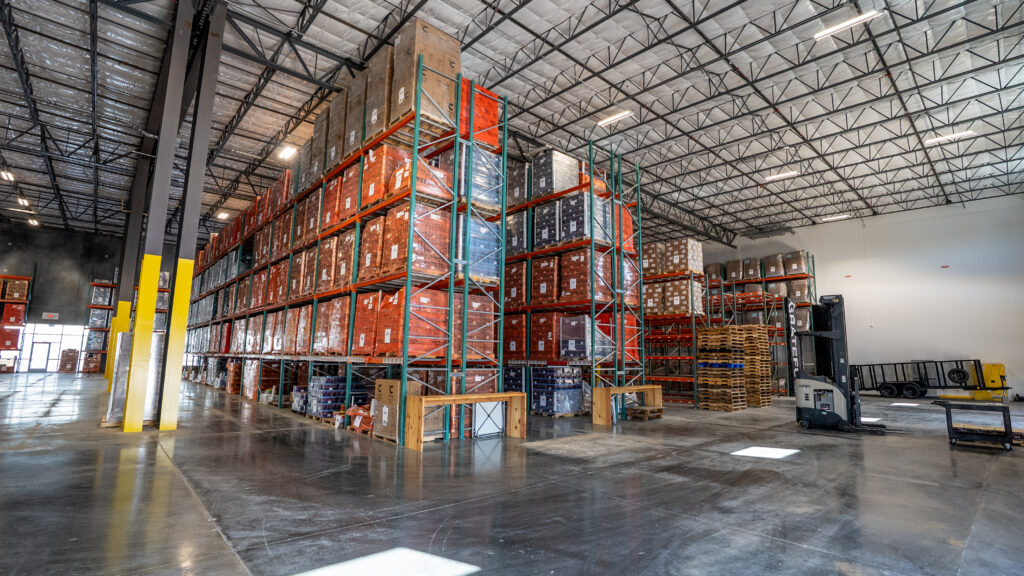
Why Does Multi-Channel Fulfillment Fail? Multi-channel fulfillment typically fails because inventory, orders, and fulfillment workflows become fragmented across multiple systems, platforms, and providers. As brands expand from Shopify to Amazon, wholesale, and retail channels, operational complexity increases. Without a centralized fulfillment system, businesses often experience inventory discrepancies, order delays, compliance issues, rising costs, and declining customer satisfaction. The solution is a unified multi-channel fulfillment strategy supported by a 3PL capable of managing every sales channel through one operational system. At TCB Global, we help ecommerce, beverage, retail, and wholesale brands build scalable multi-channel fulfillment operations that support growth without creating operational chaos. Growth Creates Complexity Most brands don’t start as multi-channel businesses. They grow into it. First comes Shopify. Then Amazon. Then wholesale opportunities emerge. Then retail distribution follows. Growth is exciting. But as sales channels expand, fulfillment becomes significantly more complex. Orders begin flowing from multiple sources. Inventory gets divided across platforms. Different customers have different expectations. Different channels have different requirements. And eventually, leadership teams start asking the same question: “Why does fulfillment feel harder the more we grow?” The answer is rarely growth itself. The answer is usually the lack of a fulfillment system designed to support multi-channel operations. At TCB Global, we see this challenge regularly with growing brands throughout Orlando, Las Vegas, and across the United States. Why Multi-Channel Fulfillment Sounds Great—Until It Doesn’t On paper, multi-channel expansion makes perfect sense. Each channel serves a different purpose. Together, these channels create significant growth opportunities. Operationally, however, each channel introduces new complexity. Every sales channel comes with unique requirements: Without a structured multi-channel fulfillment system, those differences quickly become operational bottlenecks. What Multi-Channel Fulfillment Failure Actually Looks Like Most fulfillment breakdowns don’t happen overnight. The warning signs start small. Inventory Doesn’t Match Across Platforms One system says inventory is available. Another system says it’s sold out. Neither reflects reality. Overselling Begins Products sell on one channel while inventory is already committed elsewhere. Customers place orders that can’t be fulfilled. Processing Delays Increase Orders take longer to move through fulfillment. Backlogs begin forming. Shipping timelines become harder to maintain. Error Rates Climb As complexity increases, so do fulfillment mistakes. Teams spend more time correcting issues than preventing them. Over time, these small problems become larger operational challenges. Eventually: Growth stops feeling exciting. It starts feeling expensive. Where Most Brands Go Wrong 1. Splitting Fulfillment Across Multiple Providers As brands expand, many add additional warehouses or fulfillment partners. The result? Different systems. Different processes. Different standards. Without consistency, visibility disappears. Operations become fragmented. 2. Managing Inventory in Silos Each platform maintains its own inventory data. Amazon has one number. Shopify has another. Internal spreadsheets show something different entirely. Without centralized inventory management, inaccuracies become unavoidable. 3. Treating Every Order the Same One of the most common mistakes in multi-channel fulfillment is assuming all orders should follow the same process. They shouldn’t. Amazon orders require different workflows than Shopify orders. Retail distribution requires different compliance procedures than wholesale shipments. Each channel needs specialized handling. 4. Operating Without a Centralized Control System Without a unified fulfillment platform, businesses become reactive. Teams spend their time: Instead of driving growth, they spend their time fixing operational problems. How the Right 3PL Solves Multi-Channel Fulfillment Complexity Multi-channel fulfillment isn’t inherently difficult. The problem is fragmentation. When fulfillment is centralized, complexity becomes manageable. At TCB Global, we build multi-channel fulfillment systems designed to support every sales channel from one operational core. Centralized Inventory Management One source of truth across all channels. Inventory updates remain synchronized across Amazon, Shopify, wholesale accounts, and retail partners. This reduces stock discrepancies and prevents overselling. Channel-Specific Fulfillment Workflows Each channel receives its own optimized process. Amazon. Shopify. Retail. Wholesale. Every workflow is designed to meet channel-specific requirements while maintaining operational consistency. Integrated Technology Systems Orders flow from multiple platforms into one centralized fulfillment environment. This creates better coordination and reduces manual intervention. Real-Time Operational Visibility Brands gain visibility into: Decision-making becomes proactive instead of reactive. Scalable Infrastructure As order volume grows, the fulfillment system scales alongside it. Growth no longer creates operational instability. The system remains consistent regardless of volume. Orlando and Las Vegas: Strategic Locations for Multi-Channel Fulfillment Successful multi-channel fulfillment isn’t just about systems. It’s also about geography. Strategically positioned warehouse locations allow brands to serve customers more efficiently while controlling costs. With fulfillment operations in Orlando and Las Vegas, TCB Global helps brands: This geographic coverage helps brands scale nationally without sacrificing service performance. What Successful Multi-Channel Fulfillment Looks Like When a multi-channel fulfillment system is properly designed, operations become predictable. Inventory remains accurate across every platform. Orders move consistently through fulfillment. Delivery expectations are met. Compliance standards are maintained. Costs stay under control. Internal teams spend less time troubleshooting and more time focusing on growth. Multi-channel fulfillment stops being stressful. It becomes scalable. Frequently Asked Questions What is multi-channel fulfillment? Multi-channel fulfillment is the process of managing orders, inventory, and shipping across multiple sales channels such as Amazon, Shopify, wholesale accounts, retail stores, and direct-to-consumer ecommerce platforms from a centralized fulfillment operation. Why does multi-channel fulfillment fail? Multi-channel fulfillment typically fails because inventory systems, fulfillment processes, and operational workflows become fragmented. Without centralized control, businesses often experience inventory inaccuracies, fulfillment errors, delayed shipments, and compliance issues. How can I improve multi-channel fulfillment? The most effective solution is partnering with a 3PL that provides centralized inventory management, integrated technology, channel-specific workflows, and real-time visibility across all sales channels. Why is inventory visibility important for multi-channel fulfillment? Inventory visibility helps prevent overselling, stock discrepancies, fulfillment delays, and customer dissatisfaction by ensuring all channels operate from the same accurate inventory data. Does TCB Global support Amazon, Shopify, retail, and wholesale fulfillment? Yes. TCB Global specializes in multi-channel fulfillment, managing Amazon, Shopify, retail, wholesale, and direct-to-consumer operations through one centralized fulfillment system. Why Brands Partner with TCB Global Growing brands need more than warehouse space. They need infrastructure. TCB Global provides: Our fulfillment systems are designed to support
Last-Mile Delivery Is Broken: How Strategic 3PL Placement Fixes It
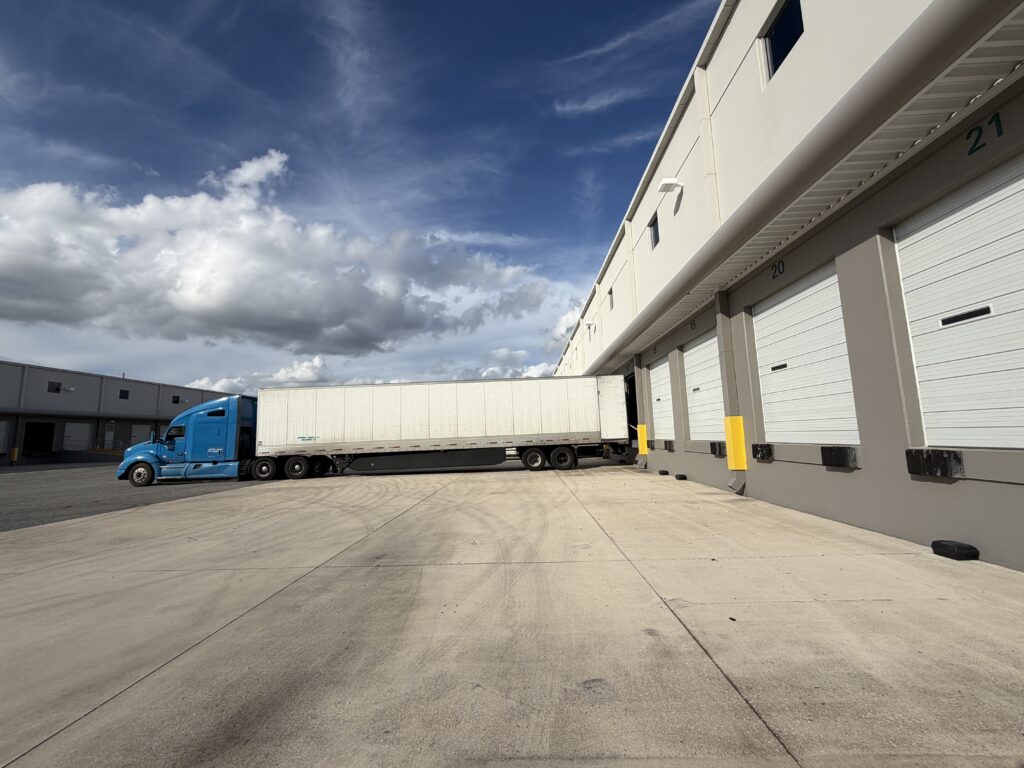
Learn how strategic 3PL placement in Orlando and Las Vegas helps beverage and ecommerce brands reduce last-mile delivery costs, improve speed, and scale fulfillment.
Retail Compliance Chargebacks: How They’re Killing Margins (and How to Stop Them)
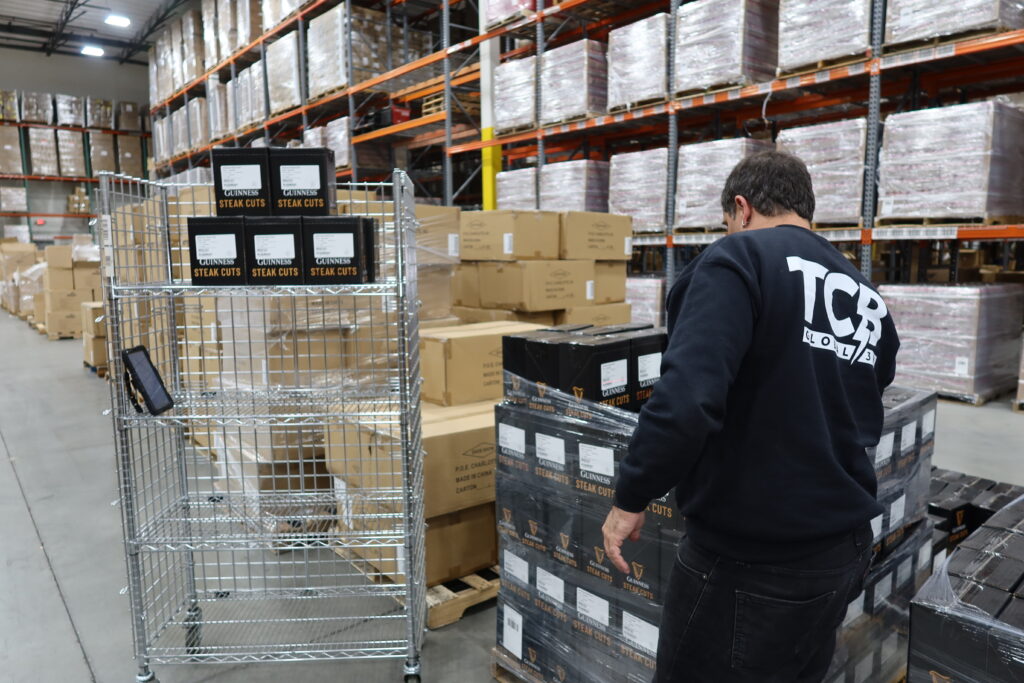
Retail compliance chargebacks can quietly destroy profitability for beverage brands. Learn what causes chargebacks, how to prevent them, and how TCB Global helps brands improve retail compliance from Orlando and Las Vegas.
How AI is Rewriting Warehouse Operations: What to Expect From Your 3PL in 2026

Discover how AI in warehouse operations is transforming logistics in 2026 through predictive inventory management, smarter fulfillment, labor optimization, and real-time visibility. Learn what brands should expect from a modern 3PL.
The Real Reason Brands Switch 3PLs (It’s Not Pricing)
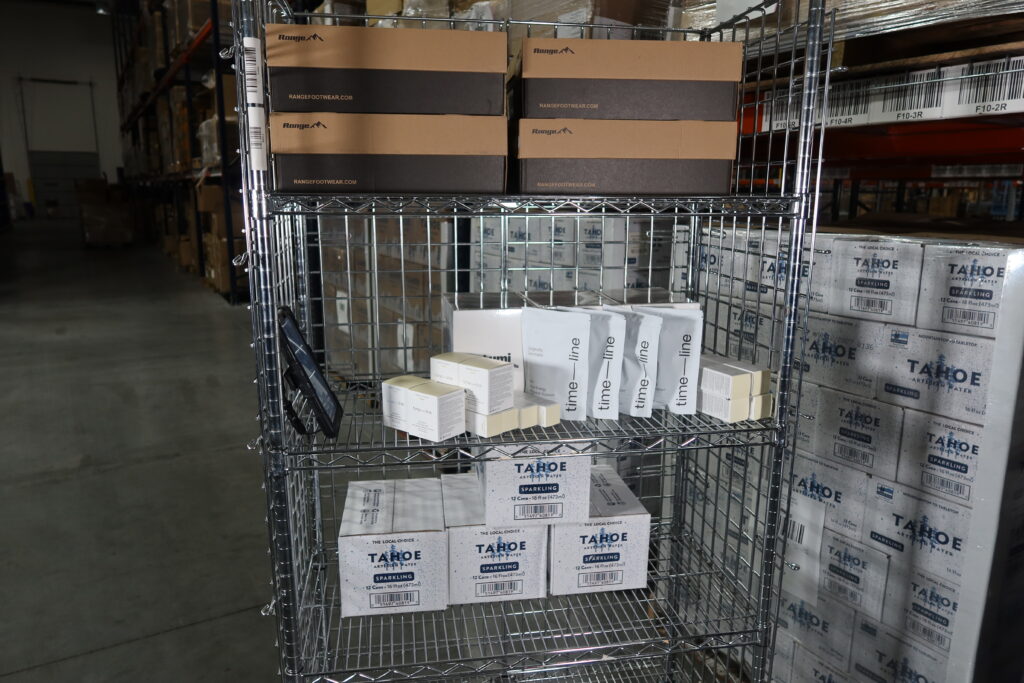
When brands start searching for a new third-party logistics provider (3PL), pricing is usually the first issue they mention. But after working with growing beverage, ecommerce, and consumer packaged goods (CPG) brands across the country, we’ve learned something important: Brands rarely switch 3PLs because of pricing.
How to Reduce Bike Shipping Costs With Smarter Fulfillment Strategies
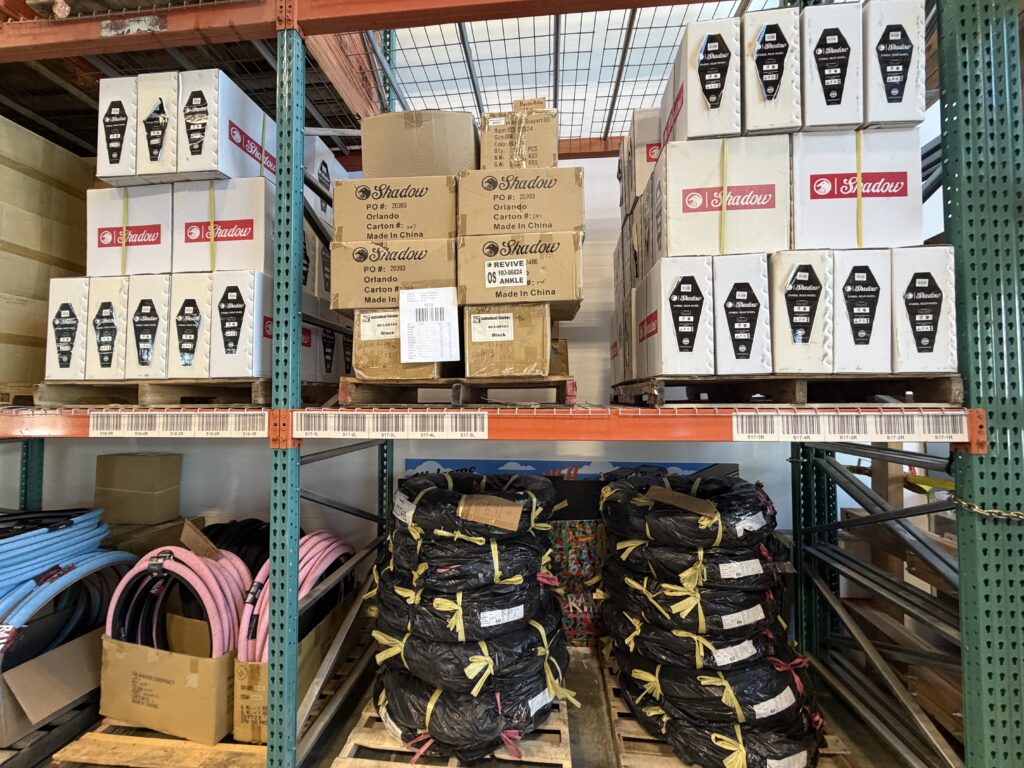
Bike shipping costs are expensive by design unless your logistics system is built specifically to handle oversized and high-SKU inventory efficiently. That’s why more brands are moving away from generic warehouse providers and partnering with specialized 3PL fulfillment companies that understand the unique challenges of bicycle logistics.
AI-Powered Demand Forecasting: The Smart Inventory Strategy High-Growth Brands Need
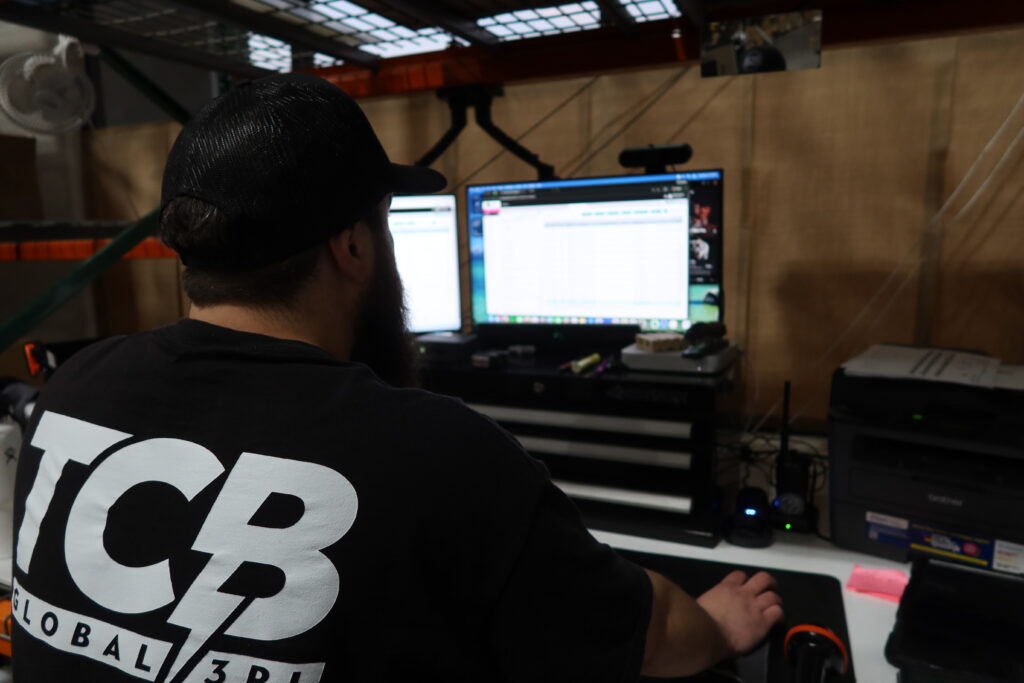
One month you’re dealing with stockouts and delayed shipments. The next, you’re sitting on excess inventory that drains cash flow and increases storage costs. For high-growth brands, inventory planning becomes one of the biggest operational challenges as order volume increases across Shopify, Amazon, retail, and wholesale channels. That’s why more brands are turning to AI-powered demand forecasting to improve inventory accuracy, reduce operational inefficiencies, and scale without chaos.
Beverage Distribution Logistics in Florida: What Modern Beverage Brands Need from a 3PL Partner
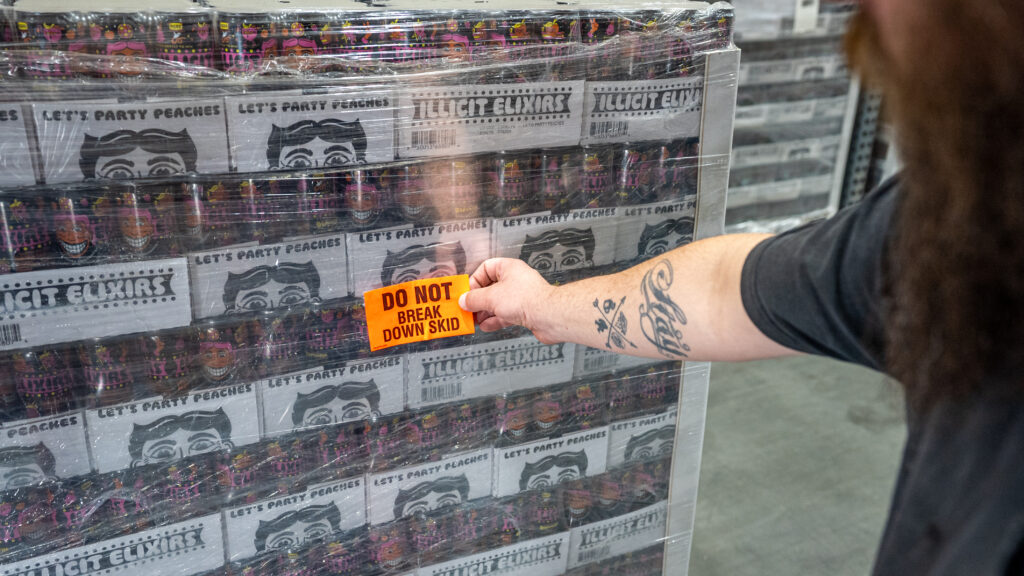
From strict retail compliance standards to rising transportation costs and increasing delivery expectations, beverage distribution logistics in Florida has become a critical competitive advantage for growing brands.
The Hidden Costs of Cheap 3PL Fulfillment Services: Why Low-Cost Logistics Can Hurt Growing Brands
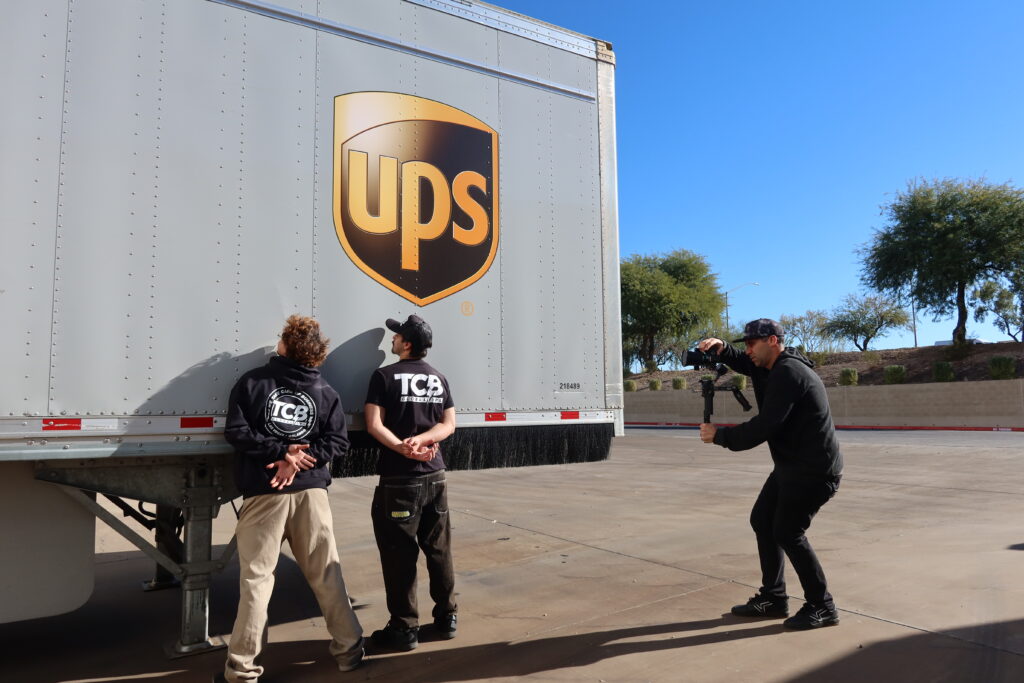
When brands start looking for logistics partners, the conversation often begins with cost. Warehousing fees, pick-and-pack pricing, and shipping rates dominate the decision-making process. On paper, choosing cheap 3PL fulfillment services may seem like the smartest financial move.
Inventory Accuracy Problems: Why Your 3PL Is Causing Stockouts
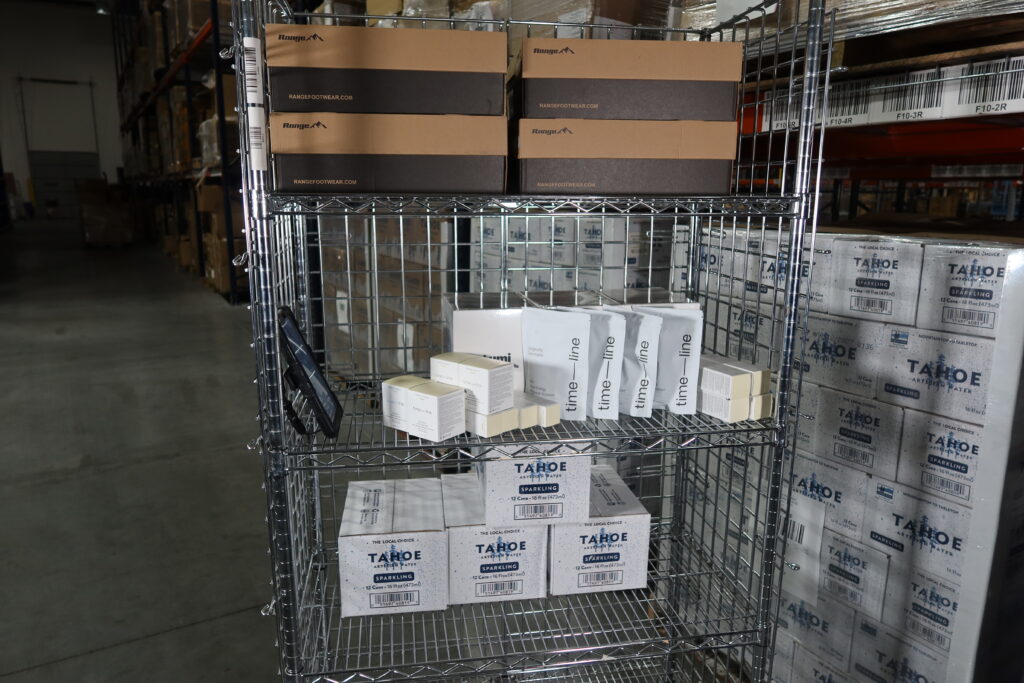
Inventory Accuracy issues rarely show up when operations are small and manageable.
At lower order volumes, warehouse workflows can appear functional even when underlying systems are inconsistent. But as brands scale across ecommerce, Amazon, wholesale, and retail channels, small inventory discrepancies quickly become expensive operational problems.