How to Switch 3PLs Without Disrupting Your Business: A Step-by-Step Guide for Growing Brands
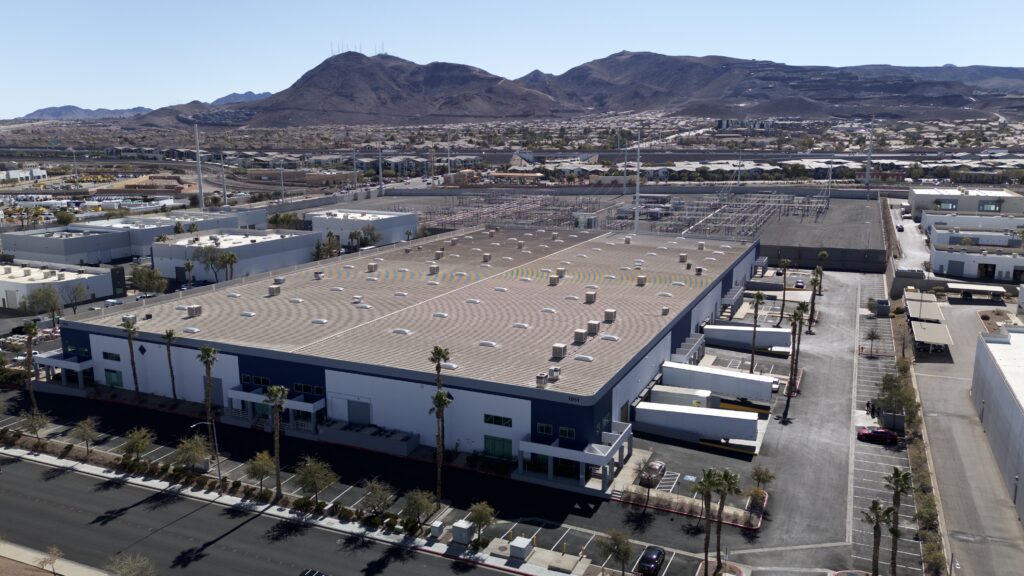
At TCB Global, we help businesses throughout Orlando, Las Vegas, and across the United States transition to new logistics operations with minimal disruption. The companies we work with often come to us after outgrowing their existing fulfillment partner, and they all ask the same question:
“How do we switch 3PLs without disrupting our business?”
The answer is preparation, process, and execution.
3PL Audit Checklist: 10 Questions Every Brand Should Be Asking in 2026
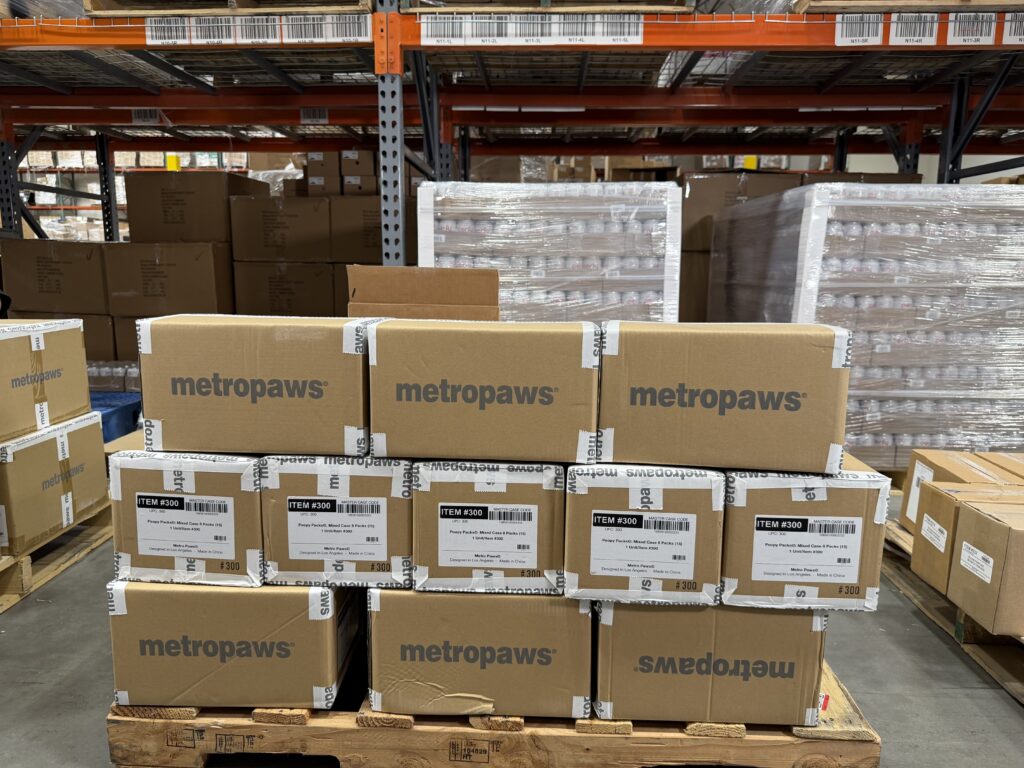
At TCB Global, we work with fast-growing brands across Orlando, Las Vegas, and throughout the United States that reach this exact crossroads. In many cases, they don’t necessarily need a new fulfillment partner. What they need first is a clear understanding of how their current provider is performing.
That’s where a comprehensive 3PL audit checklist becomes invaluable.
Rather than reacting to problems after they’ve impacted customer experience and profitability, a structured audit helps identify hidden inefficiencies before they become costly obstacles.
Why Fast-Growing Brands Outgrow Their First 3PL: Signs It’s Time for Scalable Fulfillment
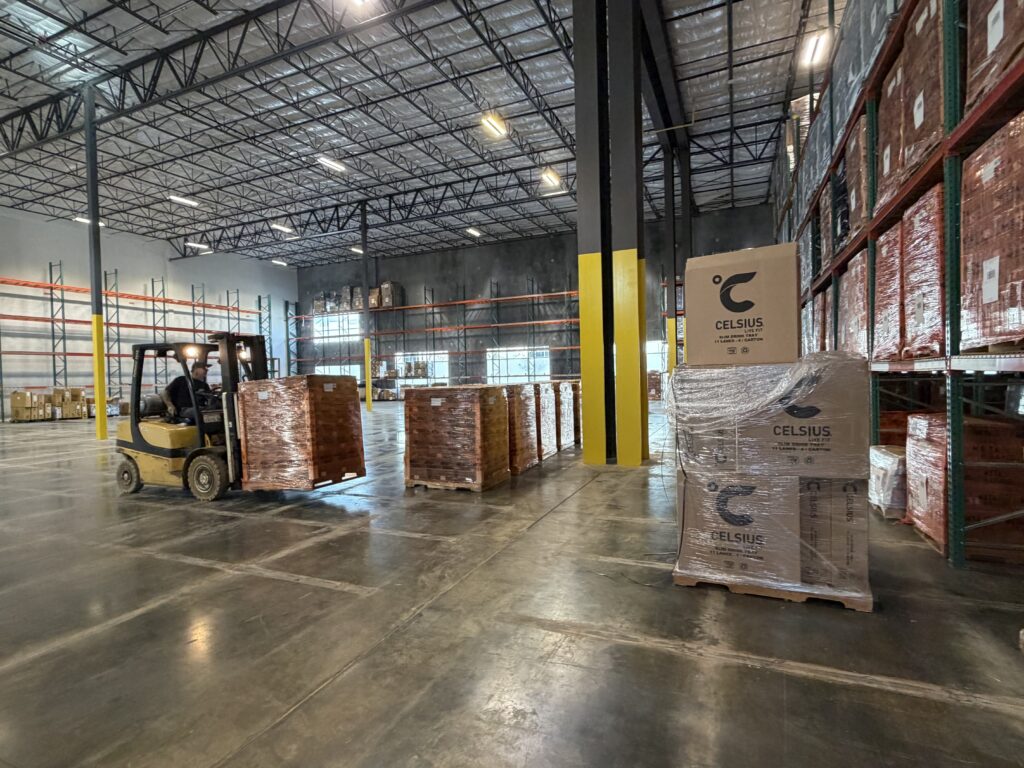
For many ecommerce businesses, partnering with a third-party logistics (3PL) provider is a major milestone. It marks the transition from packing orders in a garage or small warehouse to operating with professional fulfillment support. In the early stages, that first provider often delivers exactly what your business needs.
However, fast-growing brands outgrow their first 3PL more often than they expect.
As order volume increases, product catalogs expand, and sales channels multiply, the fulfillment solution that once fueled growth can quickly become a bottleneck. Instead of enabling scalability, it creates operational friction that affects customer satisfaction, shipping costs, and profitability.
Freight Cost Optimization: The True Cost of Freight and What Your 3PL May Not Be Telling You About Shipping Margins
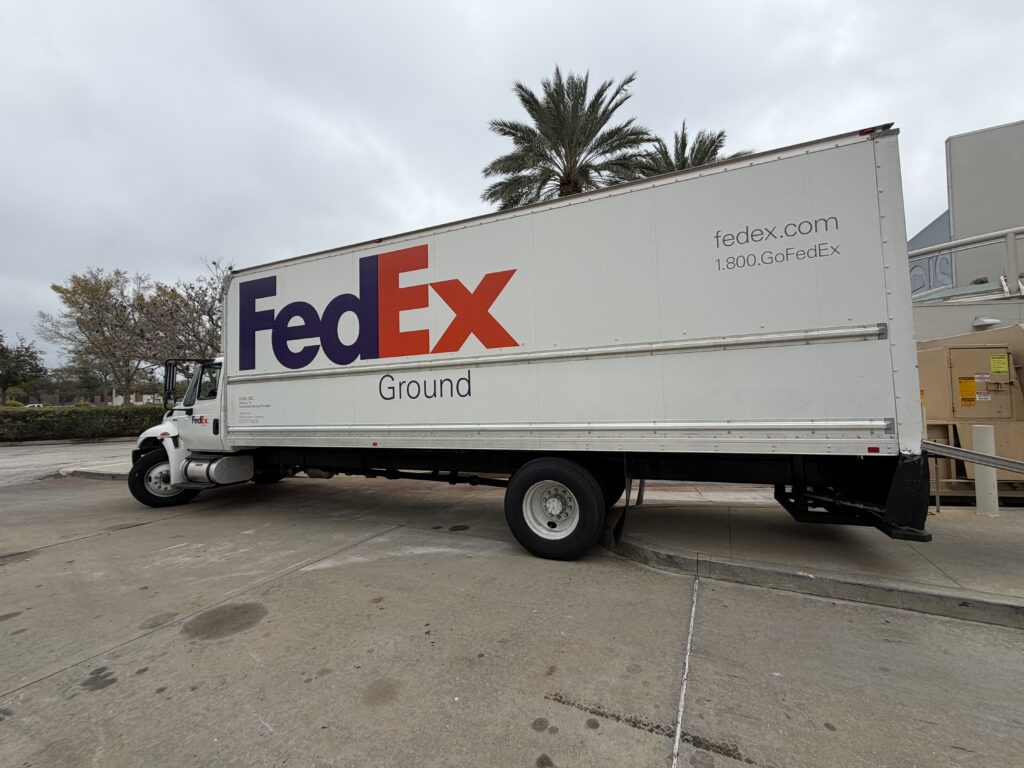
Shipping expenses continue to increase. Profit per order continues to decline. And despite negotiating carrier rates, adjusting shipping methods, or shopping around for better pricing, costs remain unpredictable.
The reality is this: freight cost optimization isn’t simply about securing lower carrier rates. It’s about building a logistics system that minimizes shipping costs from the very beginning.
Why Fulfillment Delays Happen (And Why It’s Probably Not Your Carrier)
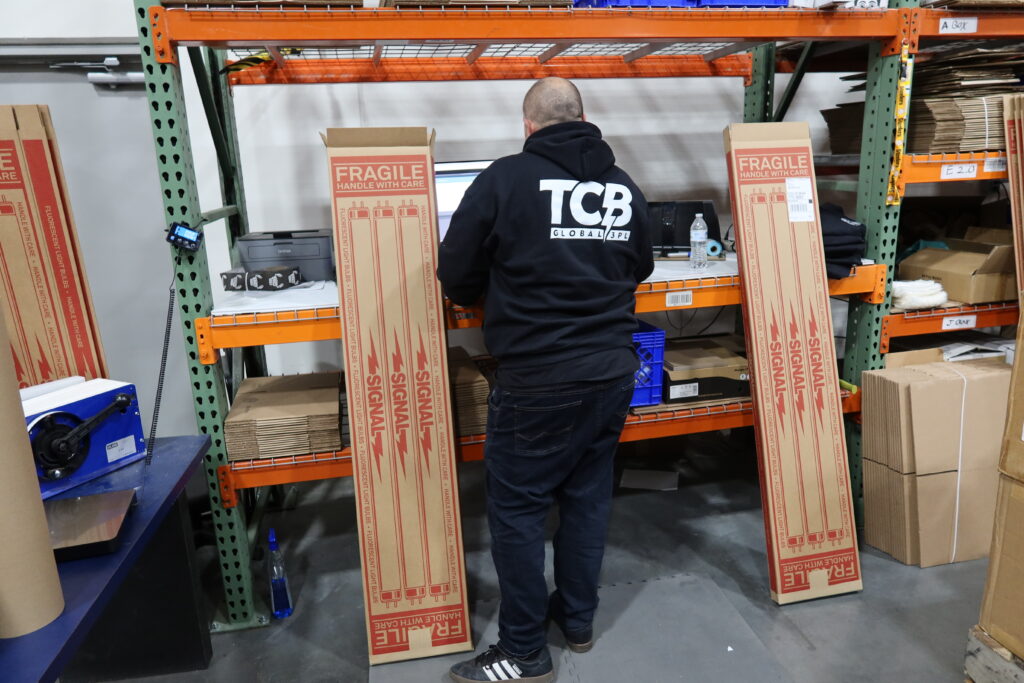
When customers receive orders later than expected, the shipping carrier often gets the blame.
UPS must be behind.
FedEx must be experiencing delays.
Shipping networks must be overloaded.
While those assumptions seem reasonable, they’re often incorrect.
The truth is that fulfillment delays usually begin long before a package is loaded onto a delivery truck. By the time a carrier scans your shipment, most of the factors that determine whether it arrives on time have already been decided.
2-Day Shipping Strategy: How to Deliver Fast Without Destroying Your Profit Margins
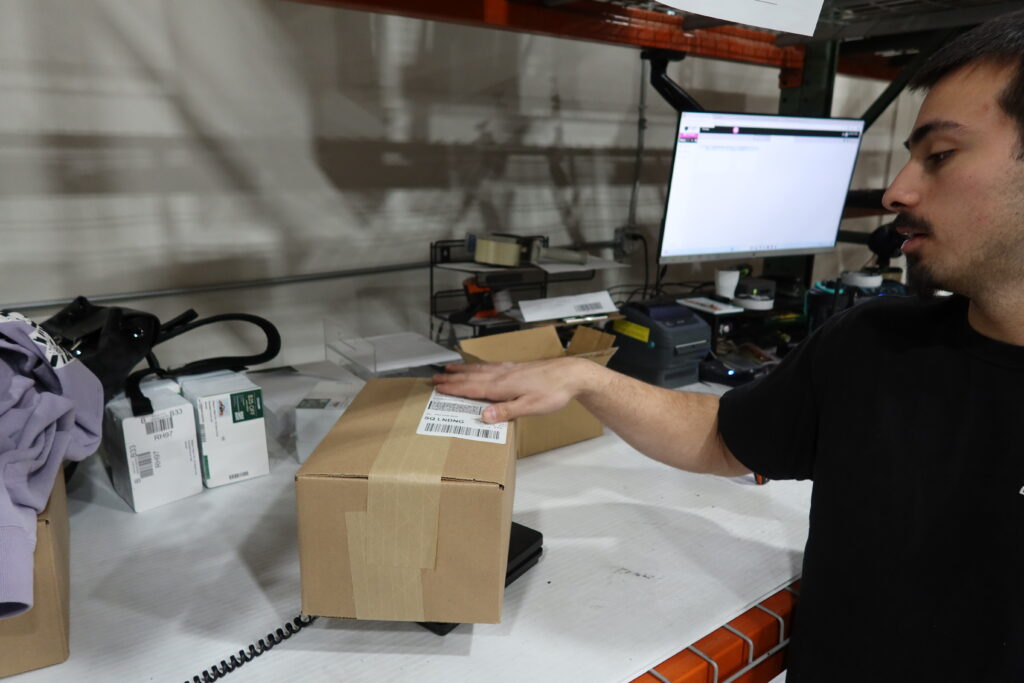
What was once a competitive advantage is now an expectation. Customers want their orders in two days or less, and marketplaces continue to raise the bar for fulfillment speed.
But many growing brands are discovering an uncomfortable truth: the wrong 2-Day Shipping Strategy can quietly erode profits.
3PL Cost Savings: How the Right Logistics Partner Protects Your Margins and Fuels Growth
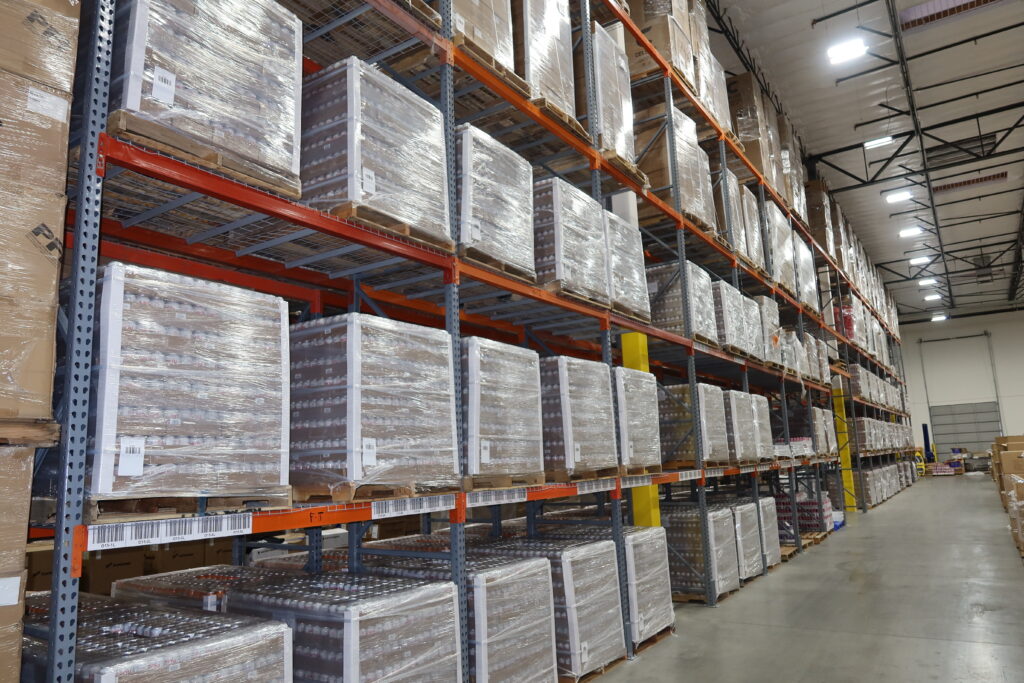
When companies evaluate a third-party logistics provider (3PL), they often focus on the most visible costs: storage fees, pick-and-pack rates, and shipping discounts. While those numbers matter, they rarely tell the full story.
The biggest opportunity for 3PL cost savings isn’t found on your monthly invoice—it’s found in how your logistics operation performs every day.
Inventory Placement Strategy in 2026: Orlando vs. Las Vegas Fulfillment and Where Your Inventory Should Live
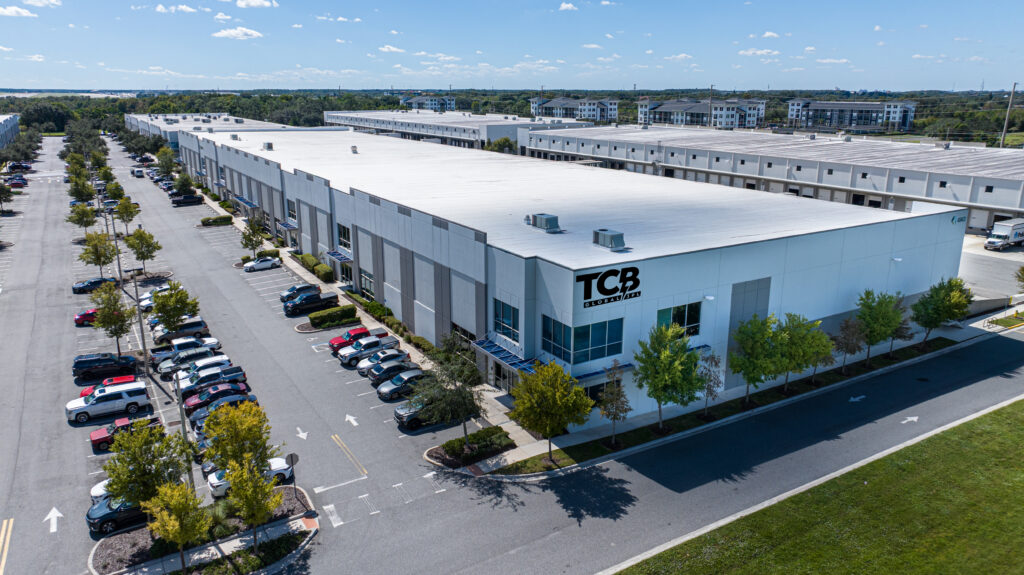
As brands expand beyond regional markets and pursue nationwide growth, one logistics decision becomes increasingly important: Where should your inventory be located? Many companies spend significant time evaluating third-party logistics (3PL) providers, carrier rates, and fulfillment technologies. Yet one of the biggest drivers of shipping costs, delivery performance, and customer satisfaction often receives less attention than it deserves. Inventory placement. In 2026, warehouse location is no longer just an operational consideration. It is a strategic lever that directly affects profitability, scalability, and customer experience. At TCB Global, we work with beverage brands, ecommerce retailers, and consumer product companies throughout Orlando, Las Vegas, and across the United States that are asking the same question: “Should we place inventory in Orlando or Las Vegas?” The reality is that the best answer is rarely one location versus the other. Instead, successful brands develop an inventory placement strategy that leverages the strengths of both fulfillment hubs to optimize costs, delivery speed, and operational efficiency. Why Inventory Placement Matters More Than Ever Today’s fulfillment landscape is more challenging than ever. Shipping costs continue to rise. Customer expectations for fast delivery continue to increase. Retailers demand greater compliance and consistency. Meanwhile, brands face growing pressure to protect margins while delivering exceptional service. Where inventory is physically stored has a direct impact on: The wrong warehouse location can increase shipping expenses on every order. It can also create longer transit times, higher customer acquisition costs, and unnecessary strain on operations. Many brands attempt to solve shipping challenges through carrier negotiations or packaging optimization. While those initiatives can help, they cannot fully compensate for inventory being located far from demand. You cannot optimize last-mile delivery if inventory starts in the wrong place. Orlando Fulfillment: The East Coast Advantage For brands serving customers throughout the Southeast and Eastern United States, Orlando remains one of the most strategic fulfillment locations in the country. Its geographic position offers access to: As one of the nation’s largest consumer markets, Florida alone creates significant demand for ecommerce and beverage distribution. An Orlando fulfillment center can help brands achieve: Faster East Coast Delivery Inventory stored in Orlando can reach major Southeast and East Coast markets quickly through ground shipping services, reducing transit times and improving customer satisfaction. Lower Regional Shipping Costs Shorter shipping distances often translate into lower transportation expenses and fewer shipments moving through higher-cost shipping zones. Strong Retail Distribution Access Many retailers serving Florida and Southeastern markets benefit from inventory positioned closer to regional distribution networks. Ideal Applications for Orlando Fulfillment Orlando is particularly effective for: However, Orlando is not the perfect solution for every shipment. When inventory must travel from Florida to California, Washington, Oregon, Nevada, Arizona, or other Western states, transportation costs and transit times increase significantly. This is where a broader inventory placement strategy becomes essential. Las Vegas Fulfillment: The Western Distribution Powerhouse Las Vegas has emerged as one of the most effective logistics hubs for serving Western markets. Its strategic location provides access to: Unlike coastal markets that often experience congestion and higher operating costs, Las Vegas offers a highly efficient logistics environment for national distribution. Brands utilizing Las Vegas fulfillment can benefit from: Faster Delivery to Western Customers Inventory positioned in Las Vegas can reach many Western markets significantly faster than inventory shipped from East Coast locations. Reduced Shipping Costs By placing inventory closer to Western demand, brands reduce shipping zones and transportation expenses. Improved Transit Consistency Strategic proximity to major distribution routes often results in more predictable delivery performance and fewer transit disruptions. Ideal Applications for Las Vegas Fulfillment Las Vegas is especially beneficial for: Yet Las Vegas alone presents similar limitations. Shipping every East Coast order from Nevada creates the same challenges that Orlando faces when serving Western customers. Neither location independently solves national fulfillment requirements. The Problem with Single-Location Fulfillment Many growing brands begin with a single warehouse strategy. Initially, this approach works well because inventory management remains relatively simple and operating costs stay predictable. However, as order volume expands geographically, problems begin to emerge. Common challenges include: The issue is simple: One warehouse cannot efficiently serve the entire United States without tradeoffs. As customer demand becomes more dispersed, fulfillment costs increase and service levels become harder to maintain. Eventually, the single-location model reaches its limits. What a Modern Inventory Placement Strategy Looks Like in 2026 The most successful fulfillment operations in 2026 are not built around choosing Orlando or Las Vegas. They are built around strategically utilizing both. At TCB Global, we help brands implement distributed inventory models that align inventory with customer demand patterns. This typically includes: By positioning inventory closer to end customers, businesses can: Reduce Shipping Zones Lower shipping zones generally result in lower transportation costs and improved profitability. Improve Delivery Speed Orders reach customers faster when products ship from the nearest fulfillment center. Balance Inventory Across Regions Regional inventory allocation supports more accurate replenishment and demand planning. Scale Nationally with Less Friction Distributed fulfillment networks provide flexibility as order volume grows. Rather than forcing every order into an expensive shipping scenario, inventory placement becomes a strategic advantage. How TCB Global Helps Brands Build the Right Inventory Placement Strategy Effective inventory placement is not based on assumptions. It is based on data. At TCB Global, we help brands determine the optimal distribution model by analyzing key operational factors, including: Customer Geographic Data Understanding where customers are located helps identify ideal inventory positioning opportunities. Regional Order Volume Order density by region reveals where inventory should be allocated to maximize efficiency. Shipping Cost Analysis Transportation data highlights opportunities to reduce costs through better warehouse placement. SKU Velocity and Movement Patterns Fast-moving products may require different inventory strategies than slower-moving SKUs. Using this information, we design customized inventory placement strategies that align with business objectives, growth plans, and customer expectations. The result is a fulfillment network designed around actual demand rather than assumptions. What Happens When You Get Inventory Placement Right? When inventory is strategically positioned, the benefits extend throughout the organization.
Inventory Accuracy: The KPI That Separates Good 3PLs from Great Ones
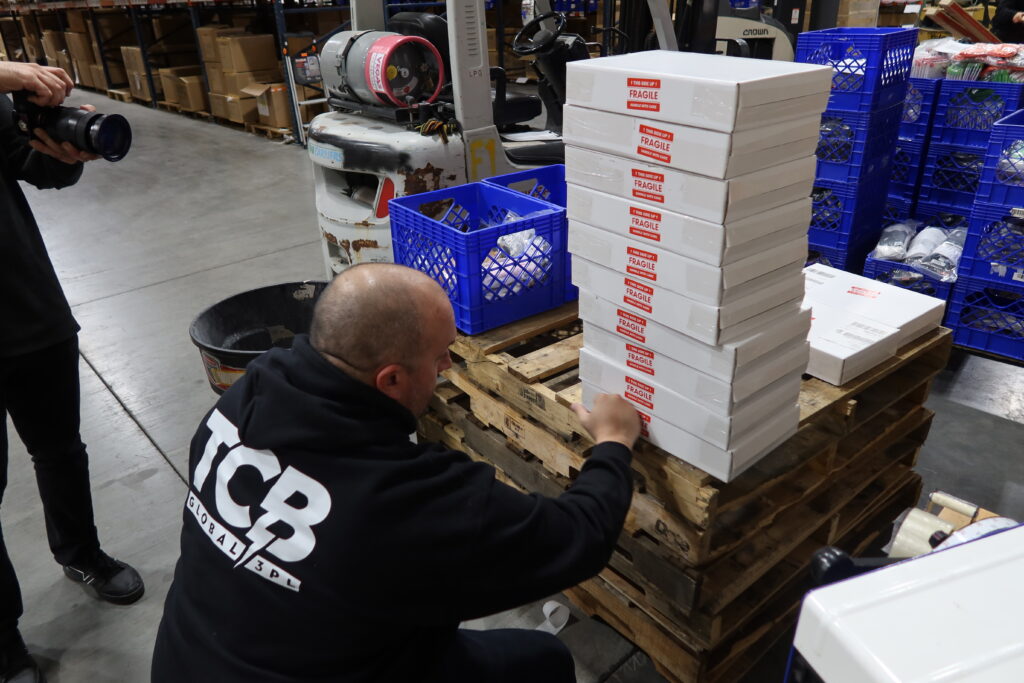
When brands evaluate a third-party logistics (3PL) provider, they often focus on metrics like shipping rates, order volume, cost per order, and delivery speed. Those are important performance indicators. However, there is one KPI that has a greater impact on operational success than all of them combined: Inventory Accuracy.
What AI Can (and Can’t) Fix Your Supply Chain Management
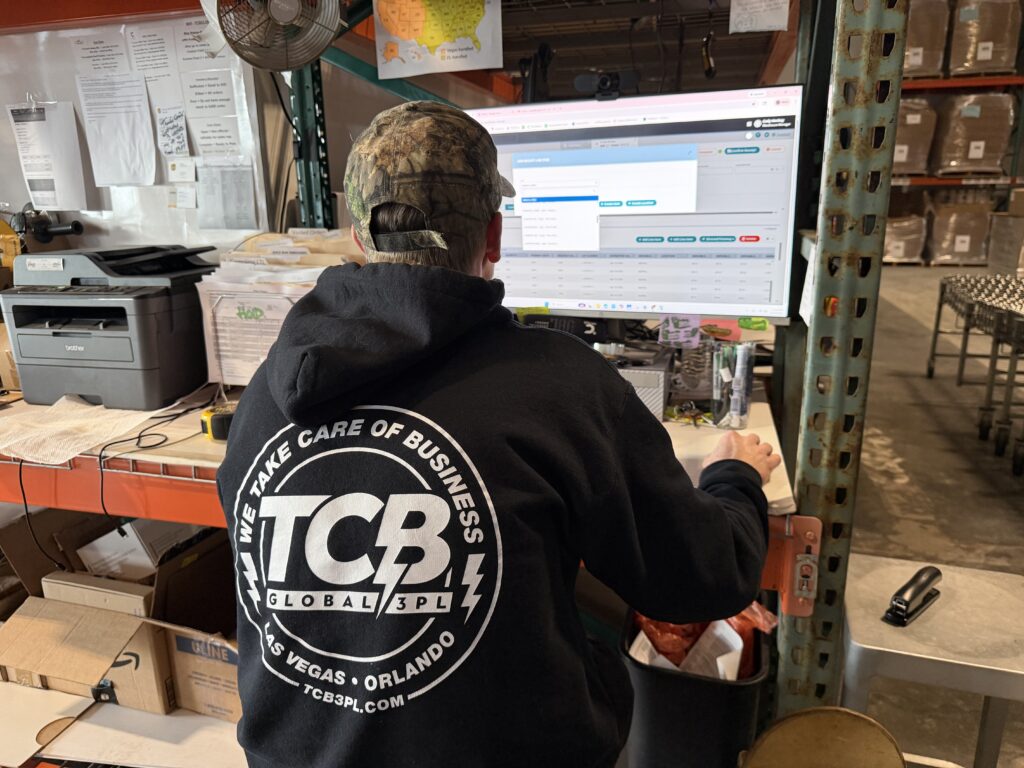
What Can AI Actually Fix in Your Supply Chain? AI in supply chain management can improve demand forecasting, inventory optimization, order routing, shipping decisions, and operational visibility. However, AI cannot fix broken warehouse processes, inaccurate inventory data, poor operational discipline, or an underperforming logistics partner. The most successful supply chains use AI as a tool to enhance strong operational systems—not replace them. As artificial intelligence becomes increasingly common in logistics, many brands are asking the same question: Can AI solve my supply chain challenges? The answer is both yes and no. At TCB Global, we work with ecommerce, retail, and beverage brands across Orlando, Las Vegas, and nationwide that are exploring how AI fits into their logistics strategy. What we’ve found is simple: AI is powerful. But it isn’t magic. The brands seeing the greatest results aren’t chasing technology trends. They’re building stronger operational systems and using AI to make those systems even better. Why AI Is Everywhere in Logistics Right Now Artificial intelligence has become one of the most talked-about topics in supply chain management. Nearly every logistics platform promotes AI capabilities. Software providers advertise predictive analytics. Fulfillment providers market AI-powered operations. Technology vendors promise smarter decision-making. But despite all the excitement, many companies are discovering that technology alone doesn’t solve operational problems. The real value of AI comes from how it’s applied. When implemented correctly, AI can create significant efficiency gains. When layered onto weak processes, it often exposes existing issues faster. Understanding the difference is critical. What AI Can Fix in Your Supply Chain AI in supply chain management performs best when it is applied to structured, data-driven operations. Here are the areas where it creates the most measurable impact. 1. Demand Forecasting One of AI’s greatest strengths is identifying patterns in large datasets. By analyzing: AI can help businesses predict future demand more accurately. This allows brands to: More accurate forecasting leads to better inventory decisions and fewer costly surprises. 2. Inventory Optimization Managing inventory across multiple locations can become increasingly complex as businesses grow. AI helps determine: For brands working with multiple fulfillment locations, inventory optimization can significantly improve service levels while reducing carrying costs. This is particularly valuable in distributed fulfillment networks like TCB Global’s Orlando and Las Vegas operations. 3. Order Routing and Shipping Decisions Every shipping decision impacts cost and delivery speed. AI can evaluate multiple variables simultaneously and determine: These decisions happen in real time, helping businesses reduce transportation expenses while improving customer delivery experiences. 4. Pattern Recognition and Error Reduction Supply chains generate enormous amounts of operational data. AI excels at identifying trends that may otherwise go unnoticed. Examples include: By identifying patterns early, businesses can address issues before they become larger operational problems. What AI Cannot Fix This is where misconceptions often create unrealistic expectations. While AI is incredibly effective in certain areas, it cannot replace foundational operational discipline. 1. Broken Warehouse Processes If warehouse operations are inconsistent, AI won’t solve the problem. In fact, it often magnifies it. For example: These issues require operational improvements first. Technology cannot compensate for process failures. 2. Poor Data Quality AI is only as effective as the data it receives. If inventory counts are inaccurate, forecasts become unreliable. If SKU data is incomplete, replenishment recommendations become flawed. If operational reporting contains errors, AI-generated insights lose value. Clean data is not optional. It is the foundation of successful AI implementation. 3. Lack of Operational Discipline One of the biggest misconceptions surrounding AI is that it replaces process management. It doesn’t. AI enhances operational discipline. It cannot create it. Organizations still need: Without these elements, AI has little to optimize. 4. The Wrong 3PL Partner Even the most advanced technology cannot overcome weak logistics execution. If a fulfillment provider lacks: AI won’t solve those challenges. Technology works best when supported by operational excellence. The right 3PL provides both. How TCB Global Approaches AI Differently At TCB Global, we don’t lead with AI. We lead with systems. Because technology without structure rarely delivers sustainable results. Our approach focuses first on operational fundamentals: Only after these foundations are established do we leverage technology to improve performance further. This approach creates measurable results because AI is supporting a strong operation—not compensating for a weak one. The goal is never to use more technology. The goal is to use the right technology. Orlando and Las Vegas: Where Strategy Meets Technology Technology alone doesn’t create supply chain advantages. Infrastructure matters. Location matters. Execution matters. TCB Global’s fulfillment centers in Orlando and Las Vegas help brands build more efficient distribution networks by: AI can help optimize these advantages. But the strategic infrastructure must exist first. Technology amplifies good decisions. It does not replace them. What Businesses Should Expect from Their 3PL in 2026 As AI adoption continues to grow, businesses should evaluate logistics providers based on more than technology claims. The most important capabilities will remain operational. Leading 3PL providers should deliver: AI will increasingly become a standard component of supply chain operations. The real differentiator will be how effectively providers use it. What Successful AI in Supply Chain Management Looks Like When AI is implemented correctly, businesses gain: Most importantly, AI supports scalability. As order volume increases, systems become more efficient rather than more complex. That’s where the real value exists. Frequently Asked Questions What can AI improve in supply chains? AI can improve demand forecasting, inventory optimization, order routing, shipping decisions, operational visibility, and pattern recognition across logistics operations. Can AI fix a broken warehouse operation? No. AI cannot replace strong warehouse processes. Businesses must first establish consistent workflows, inventory controls, and operational discipline before AI can be effective. Does AI replace logistics teams? No. AI enhances human decision-making by providing insights, recommendations, and automation. It supports logistics teams rather than replacing them. Why is data quality important for AI in supply chain management? AI relies on accurate data to generate reliable forecasts and recommendations. Poor inventory data, inaccurate reporting, and inconsistent records reduce the effectiveness of