
How Smart Brands Are Using Predictive Fulfillment to Cut Costs
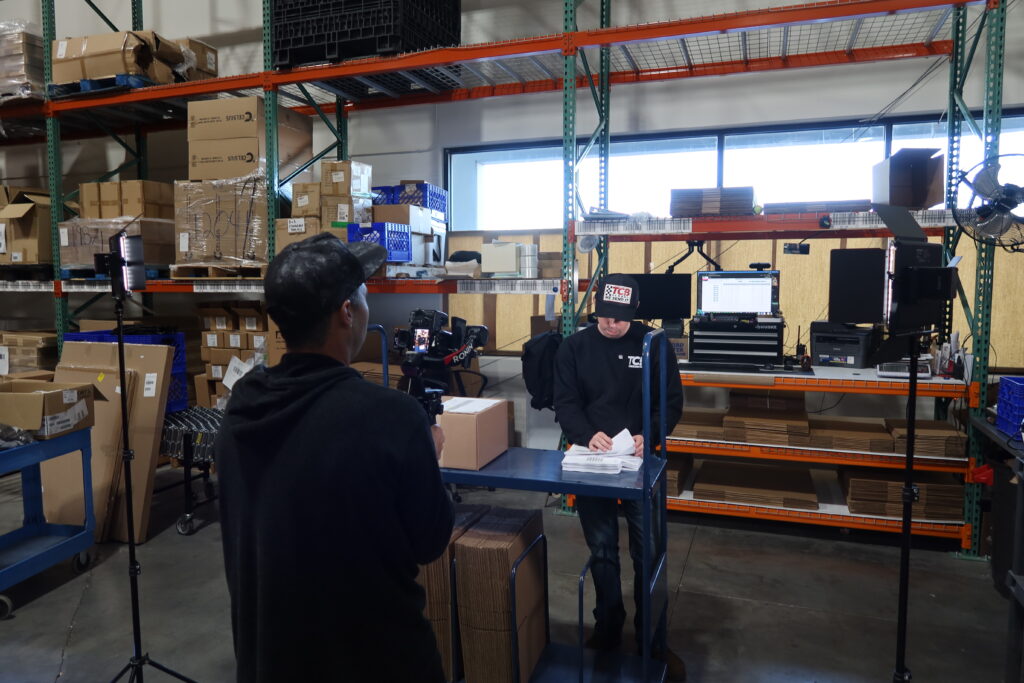
Most brands think rising shipping costs are the problem. They’re not. Shipping costs are usually the symptom of a much larger operational issue: where inventory is stored, how demand is forecasted, and whether fulfillment operations are reactive or predictive. Too many ecommerce brands wait for an order to come in and then figure out how to ship it. That approach may work temporarily, but as order volume grows, reactive fulfillment creates escalating transportation expenses, slower delivery times, inventory imbalances, and operational inefficiencies. The brands gaining a competitive advantage today are doing something different. They are positioning inventory before the order even happens. That is the foundation of a predictive fulfillment strategy. By using data-driven forecasting and strategically located fulfillment centers, brands can reduce shipping zones, lower parcel costs, improve delivery speed, and create a more scalable logistics operation. For high-growth ecommerce companies, predictive fulfillment is no longer optional. It is becoming a core operational requirement for controlling costs and meeting customer expectations. What Is Predictive Fulfillment? Predictive fulfillment is a logistics strategy that uses data to anticipate customer demand and position inventory closer to future buyers before orders are placed. Instead of reacting to purchases after they occur, predictive fulfillment helps brands proactively allocate inventory across warehouse locations based on expected demand patterns. This approach relies on several key data points, including: The goal is simple: reduce the distance between inventory and the customer. When inventory is already positioned near likely buyers, brands can fulfill orders faster and at a lower cost. This is one reason why companies increasingly partner with strategically located providers like TCB Global’s fulfillment center services to support regional inventory positioning and national distribution coverage. Why Reactive Fulfillment Is Expensive Many brands still operate with a reactive fulfillment model. The process typically looks like this: Order comes in → locate available inventory → ship from wherever product exists → absorb the shipping cost. While this may seem operationally simple, it often creates major cost inefficiencies behind the scenes. Common Problems with Reactive Fulfillment Higher Shipping Costs When inventory is stored in a single warehouse far from the customer, orders often travel across multiple shipping zones. Carriers charge more for longer-distance shipments, increasing parcel costs significantly. Longer Delivery Times Modern consumers expect fast delivery. Reactive fulfillment models frequently result in extended transit times that negatively impact customer satisfaction and repeat purchases, especially for brands managing high-volume ecommerce operations through direct-to-consumer fulfillment services. Expedited Shipping Expenses Brands operating without predictive inventory placement often rely on expedited shipping to compensate for poor positioning. Overnight and two-day shipping costs can quickly erode profit margins. Split Shipments Inventory fragmentation creates another expensive problem: split shipments. When products within the same order are stored in different locations, brands may pay for multiple shipments to complete one customer order. Inventory Imbalances Reactive fulfillment also increases the risk of overstocking slow-moving locations while understocking high-demand regions. This creates unnecessary storage costs and stockout risks simultaneously. Without a predictive fulfillment strategy, logistics costs become increasingly difficult to control as order volume scales, particularly for ecommerce businesses requiring scalable infrastructure for fulfillment for high-growth brands. How Predictive Fulfillment Cuts Costs A predictive fulfillment strategy improves operational efficiency by aligning inventory placement with expected demand. Here are five major ways smart brands reduce costs through predictive logistics planning. 1. Reduced Shipping Zones Shipping zones directly impact parcel pricing. The farther a package travels, the higher the shipping cost. By positioning inventory closer to customers, brands can reduce average shipping zones and lower transportation expenses substantially. For example, instead of shipping every order from one centralized warehouse, predictive fulfillment distributes inventory across strategically located fulfillment hubs. This allows orders to travel shorter distances while still meeting fast delivery expectations. Lower zones typically mean: 2. Fewer Split Shipments Inventory forecasting helps brands distribute products more intelligently across warehouse locations. As a result, more customer orders can ship complete from a single facility. Reducing split shipments lowers: It also creates a better customer experience because buyers receive fewer partial deliveries. 3. Lower Expedited Shipping Costs Brands frequently overspend on expedited shipping when inventory is poorly positioned. Predictive fulfillment reduces the need for costly overnight or two-day air shipments because products are already located near anticipated buyers. Instead of paying premium transportation costs to recover from operational inefficiencies, brands can rely on ground shipping from strategically positioned inventory. Ground shipping often delivers nearly as fast when fulfillment centers are geographically optimized. 4. Better Inventory Planning Inventory forecasting creates more balanced stock allocation across warehouse locations. This helps brands avoid: A predictive fulfillment strategy also supports stronger purchasing decisions because brands gain better visibility into product demand trends by region and channel. Improved forecasting leads to healthier inventory turnover and more efficient working capital management. 5. Improved Labor Efficiency Predictive fulfillment creates operational consistency inside the warehouse. When inventory is positioned correctly and order flow becomes more predictable, warehouse teams can plan labor more efficiently. Benefits include: For ecommerce businesses experiencing rapid growth, labor efficiency becomes increasingly important to maintaining profitability at scale. This is why many scaling brands leverage specialized direct-to-consumer fulfillment services that combine operational infrastructure with predictive logistics support. Why Orlando and Las Vegas Matter for Fulfillment Strategy Location is one of the most overlooked variables in fulfillment optimization. Strategically positioned fulfillment hubs can dramatically improve both delivery speed and shipping economics. Two increasingly valuable logistics markets are Orlando and Las Vegas. Orlando Fulfillment Advantages Orlando provides strong access to: Florida continues to experience significant population and ecommerce growth, making Orlando an important regional fulfillment hub for brands seeking faster delivery throughout the Southeast. Las Vegas Fulfillment Advantages Las Vegas offers strategic positioning for: Using multiple fulfillment hubs across regions allows brands to distribute inventory intelligently while lowering overall transportation costs. For high-volume ecommerce operations, warehouse geography plays a critical role in delivery performance and logistics scalability. Where TCB Global Comes In Predictive fulfillment requires more than warehouse space. It requires operational expertise, inventory visibility, geographic strategy, and
Why a Trusted 3PL Partner Is a Competitive Advantage for Scaling Brands
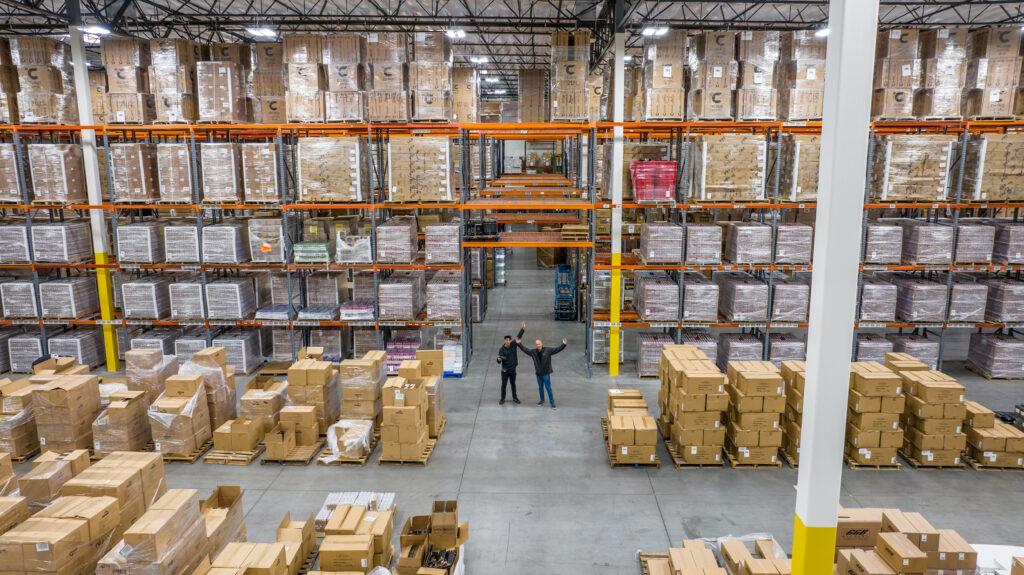
This article explores why working with a trusted 3PL partner for business growth is a strategic advantage, how traditional vendor relationships fall short, and what high-growth brands should prioritize when selecting a logistics partner.
Why Most 3PLs Break at Scale (and How High-Growth Brands Can Fix Fulfillment Bottlenecks)
This article explains why traditional fulfillment models break down and how implementing a scalable 3PL for high-growth brands can eliminate bottlenecks, improve operational efficiency, and support long-term growth.
Trade Show Logistics Checklist: How to Avoid Costly Mistakes and Ensure Flawless Execution
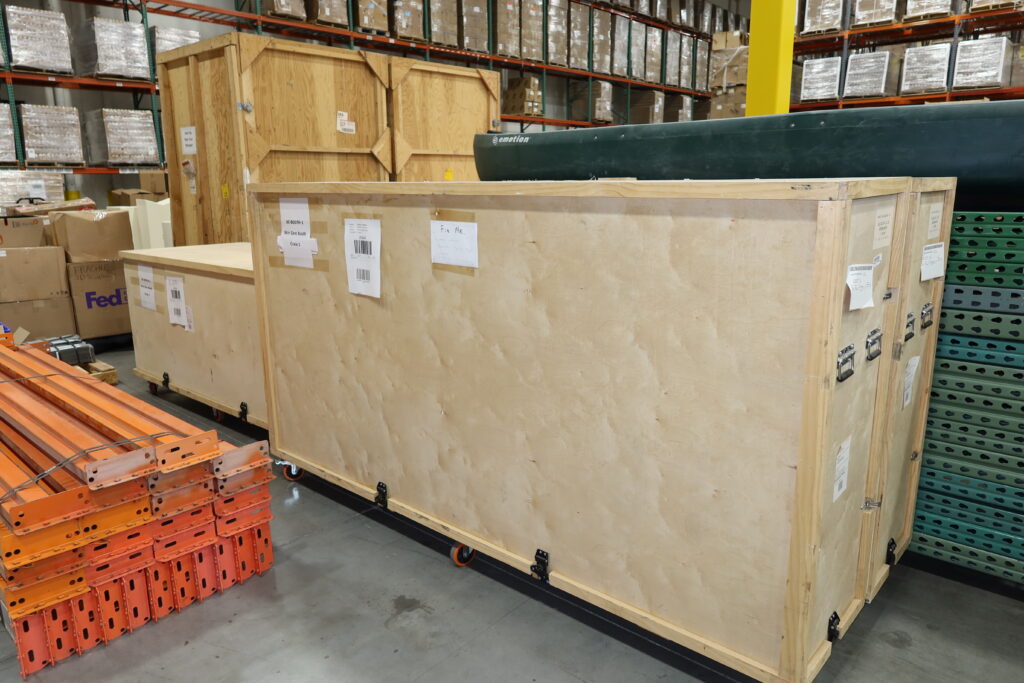
Trade shows often appear seamless from the outside—large branded booths, high engagement, and polished presentations. However, behind every successful event is a highly coordinated logistics operation that leaves little room for error. A missed deadline, incorrect shipment, or overlooked detail can quickly derail an entire trade show presence before the event even begins. This is why having a comprehensive trade show logistics checklist is essential. Trade show logistics is not just about transportation—it is about executing a time-sensitive, multi-step process with precision. Why Trade Show Logistics Is Critical to Event Success Trade show logistics involves far more than shipping materials from point A to point B. It includes managing strict timelines, coordinating multiple vendors, and ensuring every component arrives exactly where and when it is needed. Key elements of trade show logistics include: Without a structured approach, even well-planned events can encounter costly disruptions. Leveraging specialized trade show logistics services helps ensure every phase is executed correctly. Why Trade Show Logistics Often Fails Most brands do not fail due to a lack of planning—they fail because their planning does not go deep enough. Trade shows operate on rigid schedules, and even small missteps can cascade into larger problems. Common failure points include: A detailed trade show logistics checklist helps eliminate these risks by addressing every stage of the process. The End-to-End Trade Show Logistics Checklist To ensure a successful event, businesses should follow a structured, end-to-end logistics plan that covers pre-show preparation through post-show execution. 1. Pre-Planning and Strategy Development Effective trade show logistics begins well in advance of the event. This phase involves defining booth requirements, identifying materials, and establishing timelines. Key considerations include: For companies managing complex product assortments, incorporating pre-assembled kits through kitting can streamline packing and ensure all necessary components arrive together. 2. Advance Warehouse vs. Direct-to-Show Shipping One of the most important decisions is whether to ship materials to the event’s advance warehouse or directly to the show site. Choosing the right option depends on risk tolerance, event schedule, and shipment complexity. Experienced providers of trade show logistics can help determine the best approach. 3. Packaging and Labeling Accuracy Improper packaging and labeling are among the most common causes of delays and lost materials. Best practices include: Proper packaging also reduces the risk of damage during transit and handling. 4. Shipping Coordination and Carrier Management Reliable transportation is critical to meeting strict trade show deadlines. This includes selecting carriers, scheduling shipments, and tracking progress in real time. Effective shipping coordination involves: Many brands rely on integrated fulfillment center solutions to manage inventory, packing, and shipping from a centralized location. 5. On-Site Coordination and Setup Once materials arrive at the venue, on-site logistics take over. This phase includes managing drayage (material handling), coordinating labor, and ensuring timely booth setup. Critical tasks include: Delays during this stage can directly impact event readiness, making coordination essential. 6. During the Show: Inventory and Contingency Management Trade show logistics does not stop once the event begins. Maintaining visibility into inventory and preparing for unexpected needs is key to ongoing success. Best practices include: This level of control ensures that brands can respond quickly to changing conditions. 7. Dismantling and Return Shipping Post-show logistics are often overlooked but are just as critical as pre-show planning. Without proper coordination, dismantling and return shipping can become chaotic and costly. Important steps include: A structured approach ensures materials are returned safely and efficiently, ready for future use. Why Orlando and Las Vegas Are High-Stakes Trade Show Markets Cities like Orlando and Las Vegas are among the busiest trade show destinations in the United States. These markets present unique logistical challenges due to: In these environments, precision is critical. Even minor delays can result in missed opportunities and increased costs. Working with a provider experienced in trade show logistics in these regions helps mitigate risk and ensures smooth execution. The Role of Integrated Logistics in Trade Show Success Successful trade show execution often depends on how well logistics functions are integrated. From sourcing materials to assembling kits and managing fulfillment, each step must align. By combining services such as: Businesses can create a streamlined, efficient process that reduces complexity and improves reliability. How TCB Global Supports Trade Show Logistics TCB Global provides comprehensive trade show logistics solutions designed to support seamless execution in high-demand markets like Orlando and Las Vegas. By integrating transportation, inventory management, and on-site coordination, TCB helps brands maintain control over every stage of the process. Their expertise ensures that materials arrive on time, booths are set up correctly, and post-show logistics are handled efficiently. Final Thoughts: Execution Is Everything Trade shows are high-visibility opportunities where execution directly impacts brand perception and ROI. Even the most well-designed booth cannot compensate for logistical failures. A detailed trade show logistics checklist provides the structure needed to manage complexity, reduce risk, and ensure success. For businesses looking to improve performance, partnering with an experienced provider of trade show logistics can make the difference between a stressful experience and a seamless event. In trade show environments, success is not just about showing up—it is about showing up prepared, organized, and ready to perform.
Warehouse Safety for Fulfillment Efficiency: Eliminating Missteps That Slow Down Operations
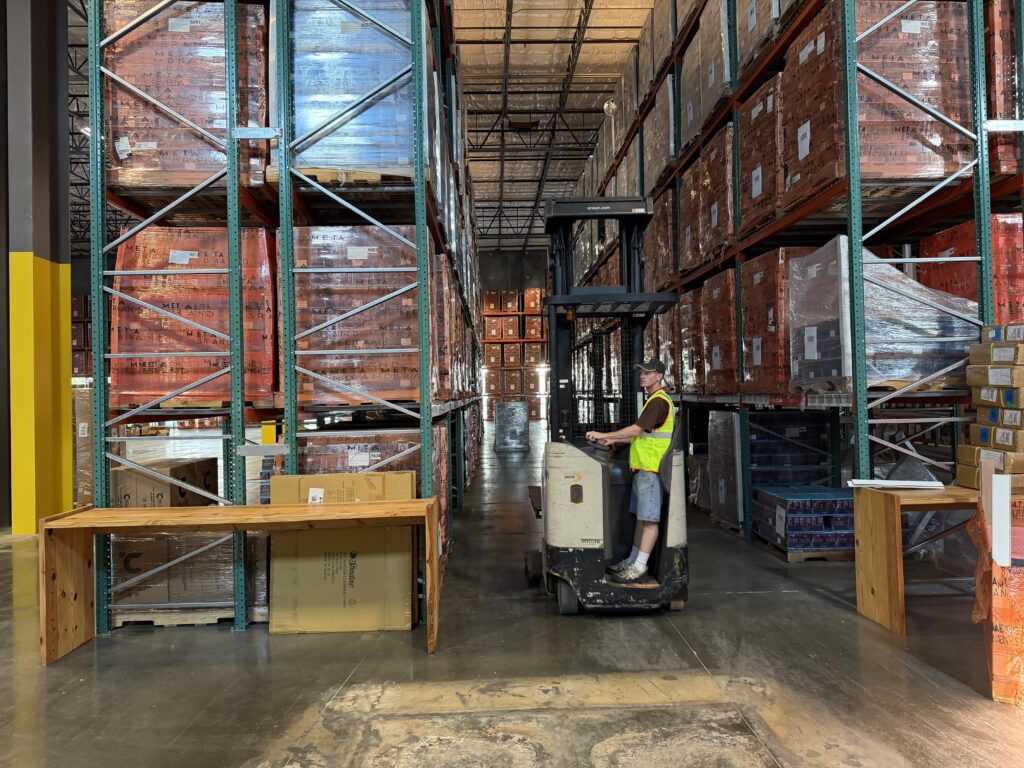
Walk into most warehouses and you’ll hear a familiar claim: operations are running smoothly and efficiently. But under real pressure—peak season surges, product launches, or tight retail deadlines—cracks begin to appear. Slower pick times, inventory errors, near misses, and operational bottlenecks quickly surface. This is where warehouse safety for fulfillment efficiency becomes more than a compliance issue. It becomes a performance driver. For companies operating in high-volume logistics markets like Orlando, Las Vegas, and other major U.S. distribution hubs, safety directly impacts speed, accuracy, and scalability. When safety protocols break down, fulfillment performance follows. Why Warehouse Safety Directly Impacts Fulfillment Performance Warehouse safety is often framed around injury prevention, but in modern third-party logistics (3PL) environments, it plays a critical role in operational efficiency. A well-structured safety strategy supports: When safety is embedded into workflow design, fulfillment operations become more predictable and scalable. This is especially important for businesses leveraging a professional fulfillment center to handle growing order volumes. The Most Common Warehouse Safety Missteps That Slow Down Fulfillment Even experienced operators can overlook foundational issues that quietly reduce efficiency. Below are the most common missteps that impact both safety and fulfillment speed. 1. Poor Warehouse Layout and Flow Design An inefficient warehouse layout creates congestion, unnecessary travel time, and increased risk of accidents. When pickers, forklifts, and packers compete for space, productivity drops. Optimized layouts prioritize: High-performing 3PL providers design layouts that support both safety and throughput, ensuring that fulfillment workflows remain uninterrupted. 2. Inconsistent Safety Protocols When safety procedures vary across teams or shifts, confusion sets in. Workers hesitate, double-check processes, or take unnecessary risks to maintain speed. Standardized protocols ensure: This level of consistency is critical in services like kitting, where precision and repeatability are essential for assembling products correctly and efficiently. 3. Disorganized Inventory Management Inventory disorganization is one of the fastest ways to compromise both safety and fulfillment efficiency. Misplaced or poorly labeled products lead to delays, incorrect shipments, and unnecessary movement within the warehouse. Effective inventory systems focus on: For businesses that rely on upstream procurement, integrating organized inventory practices with reliable sourcing ensures a smoother flow of goods from supplier to customer. 4. Lack of Real-Time Visibility Without real-time data, warehouse teams are forced to pause, verify, and troubleshoot. This hesitation slows fulfillment and increases the likelihood of mistakes. Modern fulfillment operations use technology to provide: This visibility allows teams to act confidently and maintain momentum, even during peak demand periods. 5. Rushed or Inadequate Training Training is often compressed to meet immediate labor demands, especially during seasonal spikes. However, undertrained employees are more likely to make mistakes, work inefficiently, or contribute to safety risks. Continuous training programs help: In high-volume environments like a fulfillment center, ongoing education is essential to maintaining both safety and operational performance. 6. Ignoring Small Operational Issues Minor inefficiencies—such as cluttered aisles, unclear signage, or outdated processes—may seem insignificant but can compound over time. These small issues often lead to larger disruptions, including delays and safety incidents. Proactive management includes: Addressing these issues early prevents costly slowdowns later. What High-Performance 3PLs Do Differently Leading third-party logistics providers understand that warehouse safety for fulfillment efficiency is not a reactive measure—it is a strategic advantage. Top-performing 3PLs implement: Optimized Warehouse Design Layouts are engineered for flow, minimizing congestion and maximizing productivity. Standardized Processes Clear, repeatable workflows reduce confusion and ensure consistent performance across all operations, including specialized services like kitting. Advanced Technology Integration Real-time systems provide visibility into inventory, orders, and performance metrics, enabling faster decision-making. Continuous Training Programs Employees are regularly trained and retrained to maintain high standards of safety and efficiency. Proactive Issue Resolution Rather than reacting to problems, high-performance providers identify and resolve potential bottlenecks before they impact operations. The Role of Warehouse Safety in Scalable Growth As businesses grow, fulfillment complexity increases. More SKUs, higher order volumes, and expanded distribution networks all introduce new risks. Without a strong safety foundation, scaling operations can lead to: By contrast, companies that prioritize safety can scale more effectively. Partnering with an experienced fulfillment center ensures that systems, processes, and infrastructure are built to handle growth without compromising performance. How TCB Global Supports Safe and Efficient Fulfillment TCB Global integrates safety and operational excellence into every aspect of its logistics solutions. By combining optimized warehouse design, standardized workflows, and advanced technology, TCB helps businesses achieve faster, more accurate fulfillment. Their services—including sourcing, kitting, and comprehensive fulfillment—are designed to work together seamlessly. This integrated approach reduces friction across the supply chain and improves overall efficiency. Final Thoughts: Fix the System, Not Just the Symptoms If your fulfillment operation feels slower than it should, the issue is rarely just labor or demand. More often, it stems from underlying safety and process inefficiencies. Improving warehouse safety for fulfillment efficiency is about building a system that supports speed, accuracy, and scalability from the ground up. By addressing layout, processes, training, and technology—and by partnering with a proven fulfillment center—businesses can eliminate bottlenecks, reduce risk, and create a more resilient supply chain. In today’s competitive logistics environment, safety is not just protection. It is performance.
How to Tell If Your Scalable 3PL Partner Isn’t Ready to Handle Your Growth
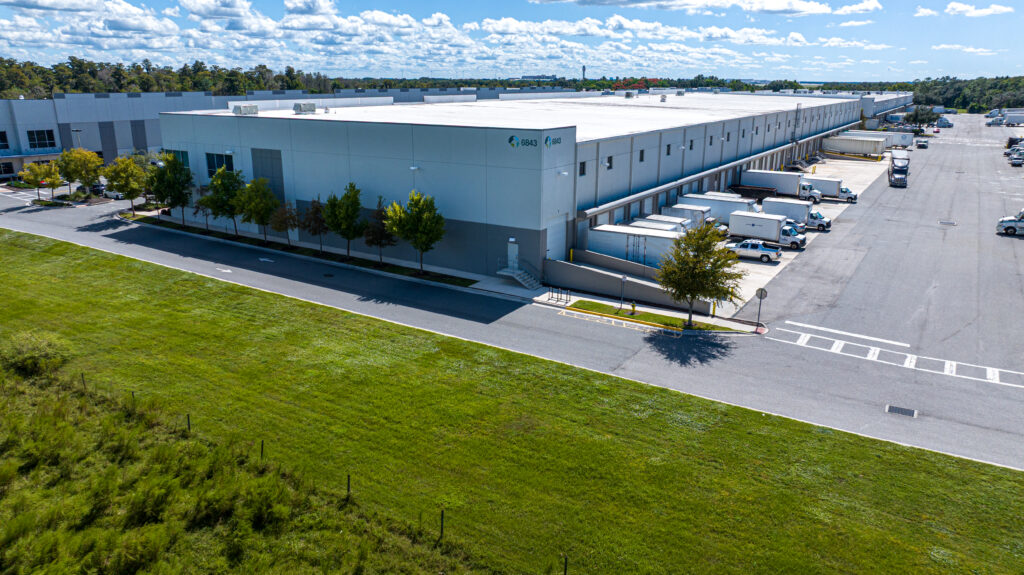
Why Choosing a Scalable 3PL Partner Determines Whether You Grow or Stall For high-growth brands, fulfillment is not just an operational function—it is a growth engine. The right scalable 3PL partner should accelerate expansion by ensuring orders move efficiently, inventory remains accurate, and customer expectations are consistently met. When fulfillment runs smoothly, leadership teams can focus on what actually drives revenue: marketing, product development, and customer acquisition. But when a 3PL lacks the infrastructure to support growth, it becomes a silent constraint. As outlined in the original blog , the warning signs often start small—minor delays, occasional inventory discrepancies, or gaps in communication. Over time, these issues compound. As order volume increases, operational friction builds, slowing momentum and impacting margins. The difference between brands that scale successfully and those that struggle often comes down to one factor: whether they are working with a scalable 3PL partner built for growth. The Role of a Scalable 3PL Partner in High-Growth Fulfillment As brands grow, their operational complexity increases significantly: A 3PL that performs well at low volume may not be equipped to handle this complexity. Without structured processes and scalable systems, fulfillment performance begins to decline just as demand increases. This is why many brands begin searching for fulfillment solutions specifically designed for expansion, such as fulfillment for high-growth brands. These services are built to support rapid scaling without sacrificing accuracy or efficiency. A scalable 3PL partner ensures that growth does not introduce operational instability—it supports it. Infrastructure Matters: Building a Scalable 3PL Partner Network One of the most important indicators of a scalable 3PL partner is infrastructure. A single warehouse location may be sufficient early on, but it often becomes a bottleneck as distribution expands nationally. TCB Global addresses this challenge through a dual-location model: By positioning inventory across both locations, brands can reduce shipping distances, improve delivery speed, and distribute order volume more effectively. This type of infrastructure allows a scalable 3PL partner to maintain performance even as demand increases. It also supports integrated ecommerce fulfillment, ensuring that direct-to-consumer orders are processed quickly and accurately regardless of location. Without this level of geographic flexibility, brands often experience delays, higher shipping costs, and inconsistent delivery performance. Common Questions That Signal You Need a Scalable 3PL Partner As operational strain begins to appear, leadership teams often start asking critical questions: These questions are early indicators that a 3PL may not be a scalable 3PL partner. Rather than waiting for these issues to escalate, brands should evaluate whether their fulfillment partner has the systems, processes, and infrastructure required to support continued growth. Supporting Multi-Channel Growth with a Scalable 3PL Partner Modern brands operate across multiple channels simultaneously: Each channel introduces unique fulfillment requirements. Without centralized coordination, these channels can compete for inventory and create operational inefficiencies. A scalable 3PL partner integrates all channels into a unified system. Inventory is tracked in real time, and orders are processed through structured workflows that maintain consistency across all fulfillment types. In addition, sourcing plays a critical role in ensuring operational stability. Reliable procurement of materials and packaging helps prevent upstream disruptions that can impact fulfillment performance. Integrated sourcing solutions allow brands to align procurement with fulfillment, creating a more resilient supply chain. This combination of centralized inventory, structured workflows, and sourcing integration enables brands to scale without operational friction. Key Signs Your 3PL Is Not a Scalable 3PL Partner Recognizing the warning signs early can prevent costly disruptions and position your brand for sustainable growth. Declining Inventory Accuracy As order volume increases, discrepancies between system data and physical inventory may become more frequent. This can lead to overselling, stockouts, and customer dissatisfaction. Slower Communication Delayed responses or difficulty obtaining information often indicate internal strain within the 3PL. Brands need real-time updates to maintain control over operations. Shipping Delays Under Pressure A scalable 3PL partner should maintain performance during peak periods. If shipping timelines slip as volume increases, the infrastructure may not be equipped to scale. Limited Technology Integration Without a robust warehouse management system, visibility into inventory and order status becomes limited. This makes it difficult to monitor performance or make informed decisions. Geographic Constraints A single-location warehouse may struggle to support national distribution efficiently. Shipping costs rise, and delivery timelines become inconsistent. Lack of Scalable Processes Manual workflows and insufficient staffing can create bottlenecks as demand grows. A scalable 3PL partner must have structured systems designed for efficiency at scale. Each of these issues directly impacts a brand’s ability to grow without disruption. Choosing a Scalable 3PL Partner Built for Long-Term Expansion Selecting the right fulfillment partner is one of the most important decisions a growing brand can make. A scalable 3PL partner should provide: By combining these elements, brands can ensure that fulfillment remains a strength rather than a limitation. TCB Global’s operational model is designed to meet these requirements, supporting high-growth brands with the infrastructure and processes needed to scale confidently. Conclusion: A Scalable 3PL Partner Is a Growth Strategy The original blog makes one point clear: fulfillment should never become a barrier to growth . When a 3PL lacks the ability to scale, small inefficiencies turn into significant operational challenges. These challenges slow growth, increase costs, and impact customer experience. In contrast, a scalable 3PL partner enables: This transforms logistics from a reactive function into a strategic advantage. Call to Action: Partner with a Scalable 3PL Built for Growth If your brand is experiencing fulfillment challenges or preparing for rapid expansion, now is the time to evaluate whether your current partner can support your growth. TCB Global provides integrated solutions designed specifically for high-growth brands, combining fulfillment for high-growth brands, ecommerce fulfillment, and sourcing into a unified system. With the right scalable 3PL partner, you can eliminate operational friction, improve performance, and focus on what matters most—growing your business. Explore how TCB Global can support your next phase of growth. Growth creates opportunity. The right scalable 3PL partner ensures you can capitalize on it without limitations.
The Red Flags Brands Miss When Choosing a Beverage 3PL
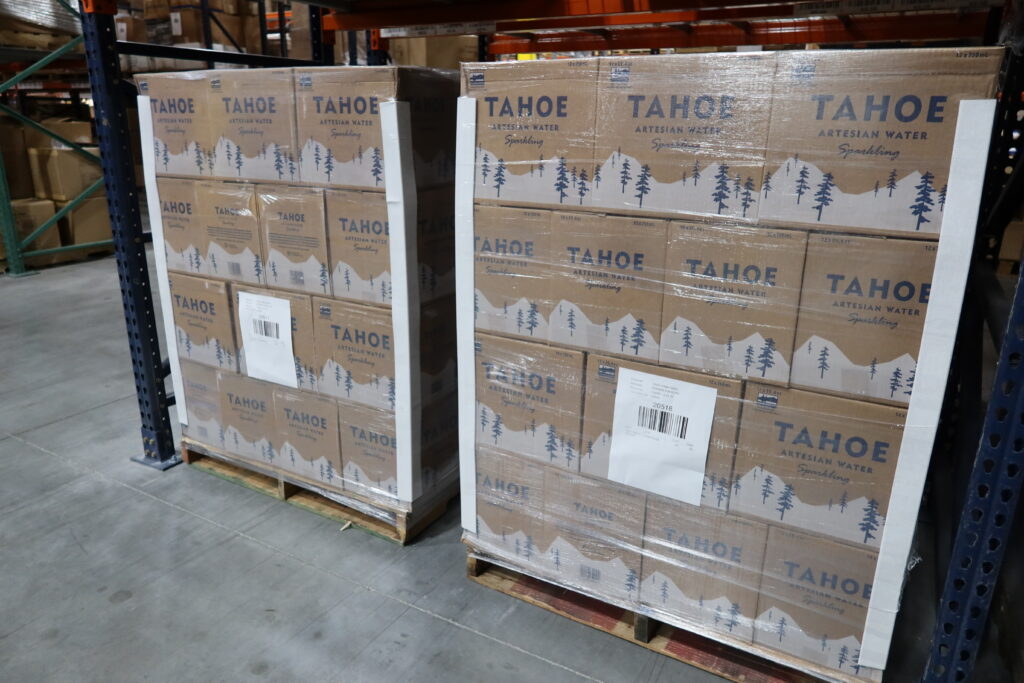
For beverage companies, selecting a third-party logistics provider is often treated as a straightforward operational task: secure storage, ship orders, and move on. In reality, choosing the right Beverage 3PL is a strategic decision that directly impacts profitability, customer experience, and long-term scalability.
Beverage 3PL for Fast-Scaling Brands: Why Not Every Logistics Partner Can Support Growth
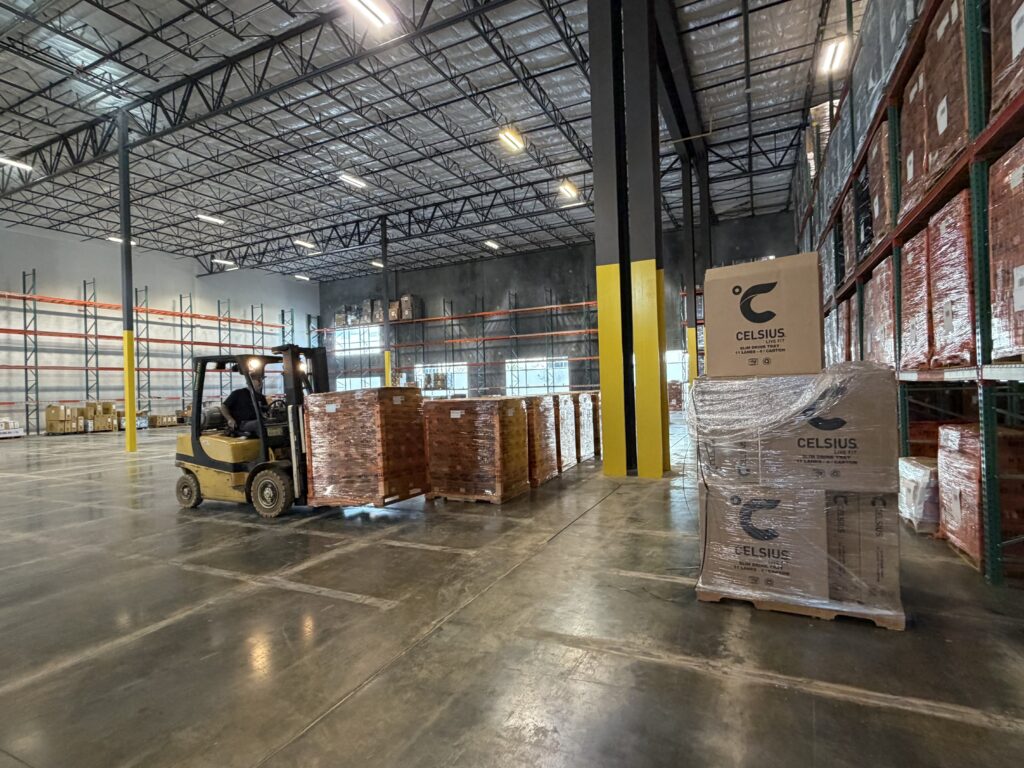
With this growth comes complexity. As brands expand across direct-to-consumer (DTC), retail, and wholesale channels, logistics quickly becomes a defining factor in long-term success. Choosing the right beverage 3PL for fast-scaling brands is no longer optional—it is a strategic decision that directly impacts operational efficiency, product integrity, and customer experience.
Ecommerce Fulfillment Accuracy for High-Growth Brands: How Scalable 3PL Systems Ensure Every Order Ships Correctly
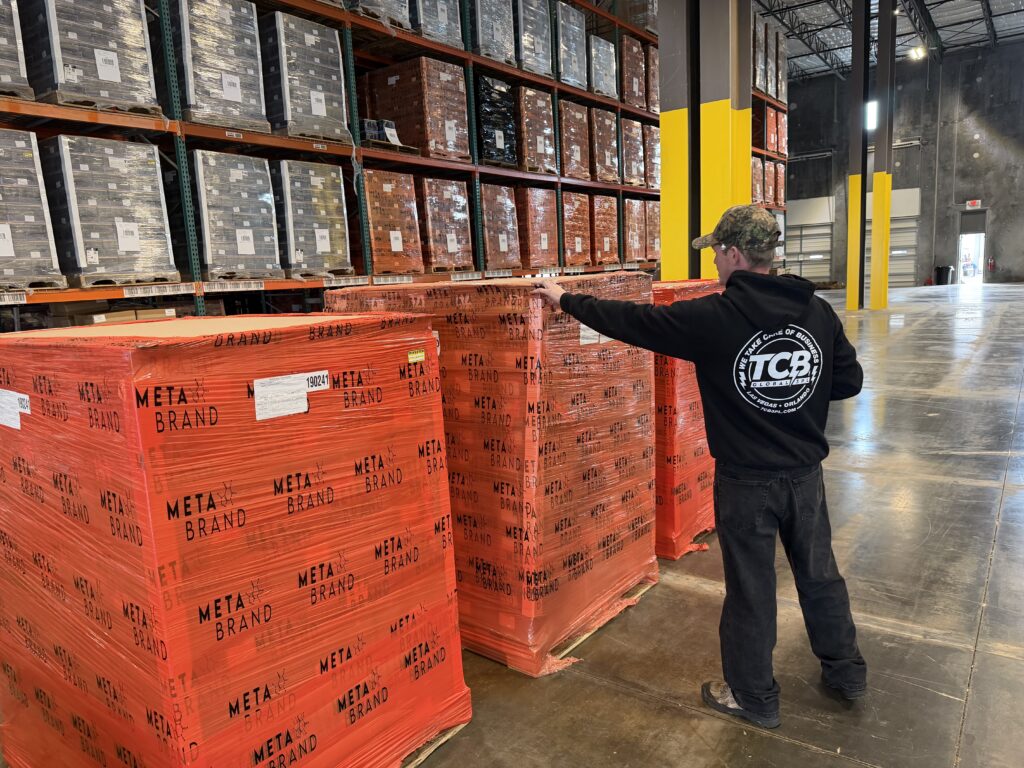
For high-growth ecommerce brands, fulfillment is no longer just an operational function—it is a direct driver of customer experience, retention, and profitability. As order volumes increase and sales channels expand, maintaining consistent ecommerce fulfillment accuracy becomes increasingly complex and essential.
3PL Warehouse Operational Precision: How Modern Fulfillment Drives Accuracy, Speed, and Growth
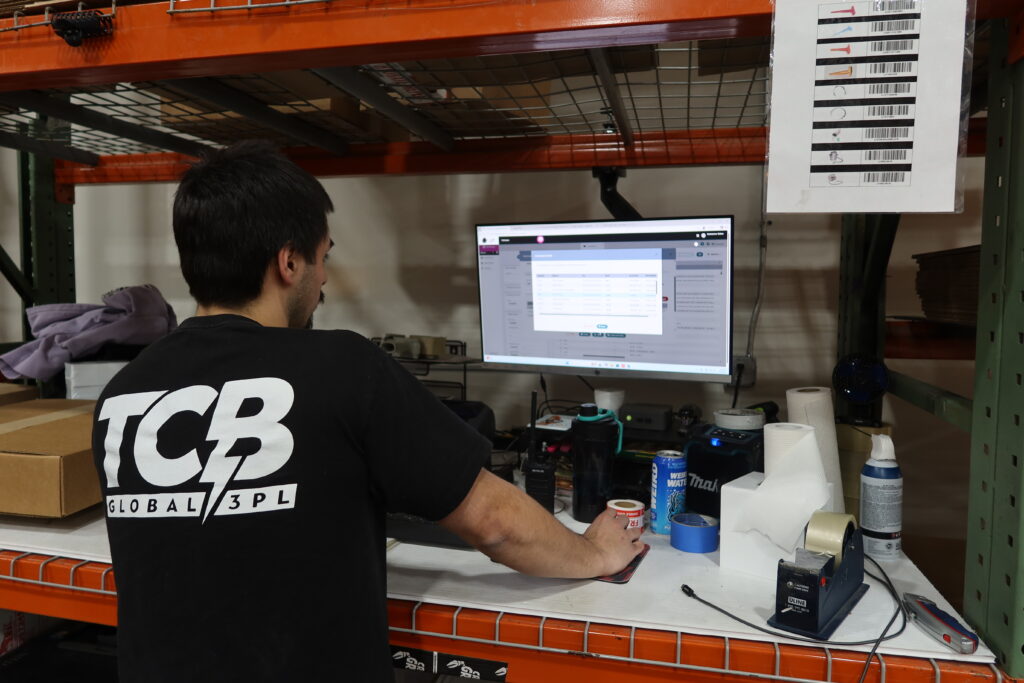
In today’s competitive ecommerce and retail landscape, fulfillment is no longer a back-end function—it is a core driver of customer experience, operational efficiency, and profitability. As brands scale across direct-to-consumer, retail, wholesale, and marketplace channels, the need for 3PL warehouse operational precision becomes essential.