Warehouse operations are changing faster than ever before.
Not through small process improvements.
Not through incremental technology upgrades.
But through a fundamental shift in how logistics providers manage inventory, fulfillment, labor, and decision-making.
Artificial intelligence is no longer a future concept reserved for large enterprises and technology companies. It is actively transforming modern logistics operations and creating a clear divide between forward-thinking third-party logistics providers and those still relying on reactive systems.
As we move into 2026, brands will increasingly evaluate logistics partners based on their ability to leverage technology, data, and automation to improve performance.
The question is no longer:
“Will AI impact warehouse operations?”
The real question is:
“Is your 3PL using AI in warehouse operations effectively enough to support your growth?”
At TCB Global, we’re seeing firsthand how AI-driven processes are improving inventory accuracy, fulfillment efficiency, labor planning, and overall operational visibility. The brands that embrace these capabilities will gain a competitive advantage, while those relying on outdated logistics systems may struggle to keep pace.
Why AI in Warehouse Operations Matters More Than Ever
Warehousing has always been complex.
Every day, logistics teams manage:
- Thousands of SKUs
- Inventory movement across multiple locations
- Retail and ecommerce fulfillment
- Seasonal demand fluctuations
- Labor challenges
- Transportation coordination
Historically, many of these functions relied heavily on spreadsheets, manual reporting, and reactive decision-making.
The result was often:
- Inventory discrepancies
- Fulfillment delays
- Higher labor costs
- Stockouts
- Overstock situations
- Reduced visibility
AI in warehouse operations changes this dynamic completely.
Instead of reacting to problems after they occur, AI helps identify patterns before issues emerge.
Modern AI-powered systems provide:
- Predictive analytics
- Real-time optimization
- Automated decision support
- Advanced forecasting
- Continuous performance monitoring
Most importantly, AI reduces guesswork.
For brands seeking greater efficiency and scalability, that shift can significantly impact profitability and customer satisfaction.
What AI in Warehouse Operations Looks Like in 2026
Artificial intelligence is not replacing warehouse teams.
It’s making them more efficient, accurate, and capable.
The most advanced logistics providers are already implementing AI-driven tools that improve every stage of warehouse management.
Predictive Inventory Management
One of the most valuable applications of AI in warehouse operations is inventory forecasting.
Traditional inventory planning often relies on historical sales data and manual forecasting.
AI takes this several steps further.
By analyzing:
- Historical purchasing patterns
- Seasonality
- Promotional activity
- Market demand trends
- Retail replenishment cycles
AI can generate more accurate inventory forecasts.
This allows brands to:
- Reduce carrying costs
- Minimize excess inventory
- Prevent stockouts
- Improve cash flow
- Optimize purchasing decisions
Inventory becomes proactive rather than reactive.
This is especially important for growing beverage and consumer packaged goods brands where inventory performance directly impacts profitability.
Smarter Order Routing
As logistics networks become more complex, determining the most efficient fulfillment path becomes increasingly challenging.
AI can automatically evaluate:
- Inventory availability
- Warehouse location
- Carrier performance
- Shipping costs
- Delivery timelines
And then determine the best fulfillment strategy.
For companies operating multiple fulfillment centers, this can significantly improve efficiency.
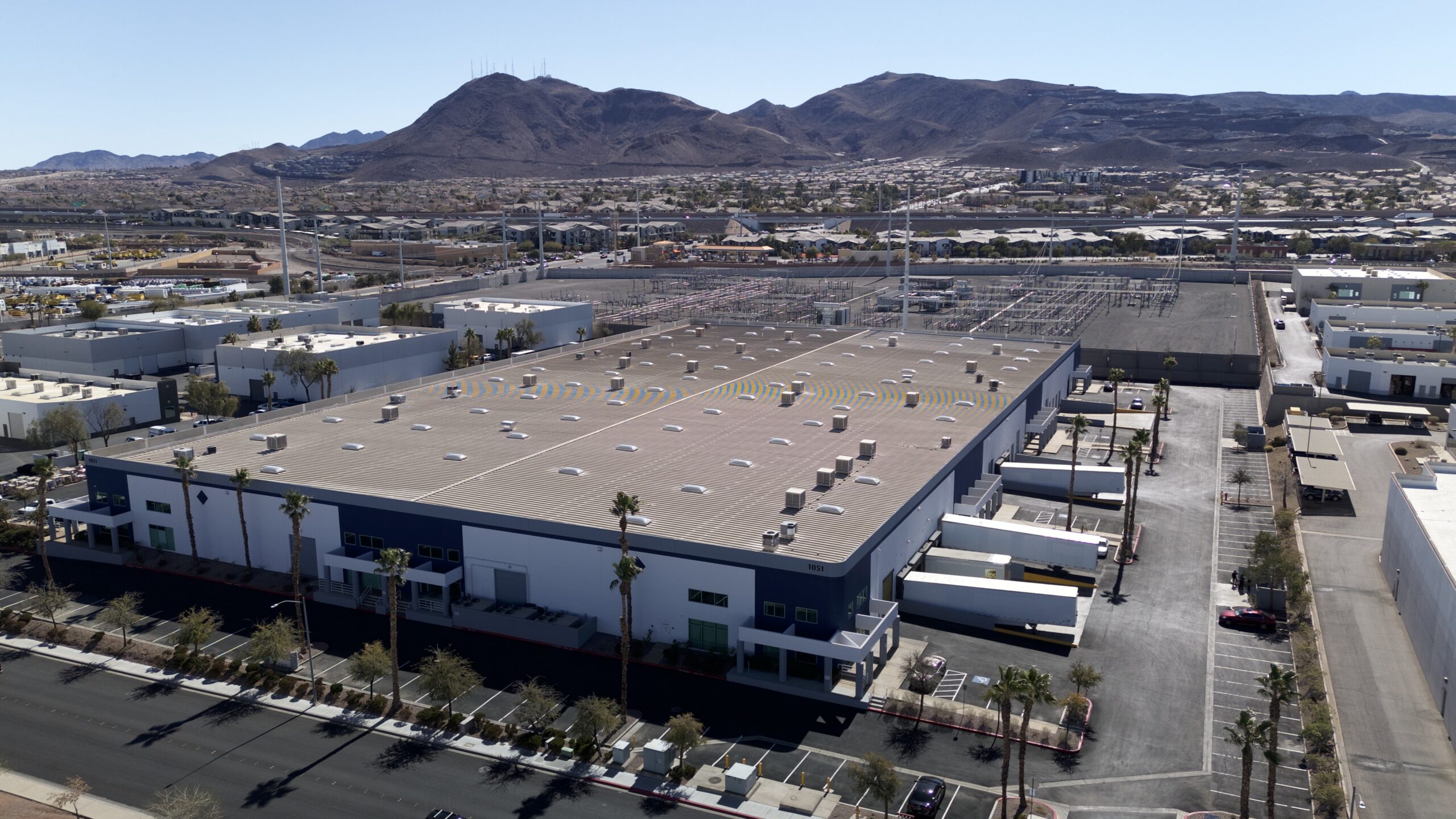
TCB Global’s warehouse network in Orlando and Las Vegas supports national distribution while reducing shipping zones and improving delivery speed. Combined with intelligent routing strategies, brands can achieve faster fulfillment and lower transportation costs. (tcb3pl.com)
Error Reduction Through Pattern Recognition
Warehouse errors can be expensive.
Common issues include:
- Mis-picks
- Inventory mismatches
- Incorrect labeling
- Shipping errors
- Receiving discrepancies
AI systems excel at recognizing patterns that humans may overlook.
By continuously analyzing warehouse activity, AI can identify operational trends that lead to errors and help teams address them before they become costly problems.
This improves:
- Order accuracy
- Inventory integrity
- Retail compliance
- Customer satisfaction
For brands shipping high volumes of orders, even small improvements in accuracy can generate significant cost savings.
Labor Optimization
Labor remains one of the largest operational expenses within warehouse management.
One challenge many logistics providers face is balancing staffing levels with fluctuating order volumes.
AI helps optimize labor planning by forecasting demand based on:
- Historical order trends
- Seasonal fluctuations
- Promotional events
- Product complexity
- Channel activity
This allows warehouse operators to:
- Avoid overstaffing
- Reduce understaffing
- Improve productivity
- Increase operational efficiency
Rather than relying solely on experience and assumptions, labor decisions become data-driven.
Real-Time Visibility and Intelligent Alerts
One of the biggest advantages of AI in warehouse operations is enhanced visibility.
Traditional systems often identify problems after they’ve already impacted operations.
AI-enabled systems continuously monitor warehouse activity and provide alerts for:
- Inventory discrepancies
- Delayed shipments
- Receiving issues
- Fulfillment bottlenecks
- Process inefficiencies
This allows operations teams to take corrective action immediately.
The result is greater control, faster response times, and improved customer outcomes.
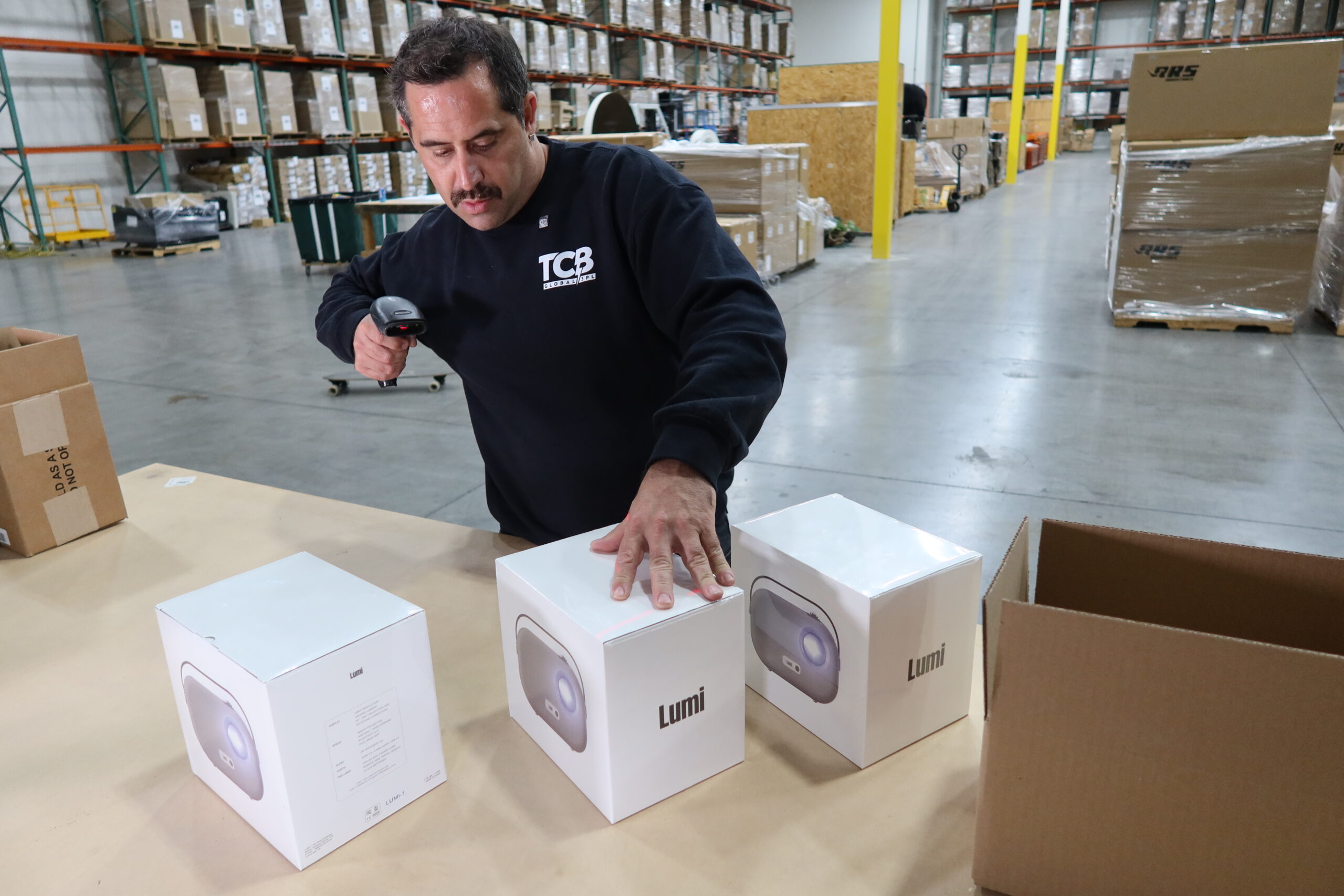
TCB Global’s technology-enabled fulfillment solutions provide real-time visibility and inventory management capabilities designed to support growing brands across multiple channels. (tcb3pl.com)
What AI in Warehouse Operations Means for Your 3PL
As artificial intelligence becomes more common throughout logistics, expectations for third-party logistics providers will change.
Brands will increasingly evaluate partners based on their ability to leverage technology to improve performance.
If your current 3PL is not evolving with AI-driven capabilities, the impact may appear gradually.
You may notice:
- Slower fulfillment
- Reduced inventory accuracy
- Higher transportation costs
- Increased labor inefficiencies
- Less operational visibility
Meanwhile, competitors working with technology-enabled logistics providers continue improving efficiency.
The difference may seem small at first.
Over time, it becomes significant.
That’s why modern logistics providers must combine operational expertise with intelligent technology systems.
At TCB Global, technology is not viewed as a replacement for people.
Instead, it serves as a tool that helps teams make better decisions, improve execution, and support scalable growth.
Where AI Meets Strategy: The Orlando and Las Vegas Advantage
Technology alone does not solve logistics challenges.
Infrastructure matters.
Warehouse location matters.
Operational processes matter.
Successful logistics operations require all three working together.
TCB Global’s facilities in Orlando and Las Vegas provide strategic positioning for nationwide fulfillment and distribution.
Benefits include:
- Faster East Coast delivery
- Faster West Coast delivery
- Reduced shipping zones
- Lower freight costs
- Improved inventory placement
- Better national coverage
AI enhances these advantages by helping brands make smarter inventory and transportation decisions.
Technology amplifies operational strengths.
It does not fix broken systems.
That’s why strong infrastructure remains essential.
For beverage brands, TCB Global also offers specialized beverage distribution logistics services designed to support inventory management, compliance, fulfillment, and nationwide distribution requirements. (tcb3pl.com)
What You Should Expect From a Modern 3PL in 2026
As AI in warehouse operations becomes more common, brands should raise their expectations.
The following capabilities should be standard:
Real-Time Inventory Visibility
You should know where your inventory is at all times.
Data-Driven Decision Making
Your logistics partner should leverage operational data to improve outcomes.
Predictive Inventory Planning
Inventory forecasting should be proactive, not reactive.
Scalable Infrastructure
Your 3PL should support growth without creating operational bottlenecks.
Consistent Processes Across Locations
Performance should remain reliable regardless of warehouse location.
If your logistics provider cannot deliver these capabilities, your business may face increasing challenges as competitors continue adopting smarter systems.
Final Takeaway: AI in Warehouse Operations Is Defining the Future of Logistics
Artificial intelligence is not replacing warehouse operations.
It is transforming how they operate.
The most successful brands in 2026 will not necessarily be the ones spending the least on logistics.
They will be the ones supported by the smartest systems.
AI in warehouse operations delivers:
- Better forecasting
- Improved fulfillment accuracy
- Faster decision-making
- Greater visibility
- More efficient resource allocation
These advantages compound over time.
The future of logistics belongs to companies that combine technology, infrastructure, and operational expertise into one connected system.
If your current logistics provider is still relying on reactive processes, you’re already experiencing the consequences through cost, speed, or accuracy.
At TCB Global, we help beverage, ecommerce, and consumer brands leverage smarter systems that support scalable growth, operational clarity, and long-term success.
The next generation of logistics isn’t about working harder.
It’s about working smarter.
Frequently Asked Questions About AI in Warehouse Operations
How is AI used in warehouse operations?
AI is used for inventory forecasting, order routing, labor planning, error reduction, operational optimization, and real-time visibility across warehouse processes.
Will AI replace warehouse workers?
No. AI is designed to enhance human performance, improve efficiency, and support better decision-making rather than replace warehouse teams.
What should I expect from a modern 3PL?
A modern 3PL should provide real-time inventory visibility, predictive planning, data-driven decision-making, scalable infrastructure, and consistent operational performance.
How does AI improve inventory management?
AI analyzes historical data, seasonality, purchasing patterns, and demand trends to improve forecasting accuracy and reduce inventory-related costs.
Does TCB Global use AI and technology-driven logistics processes?
TCB Global leverages technology, operational data, warehouse management systems, and process optimization tools to improve inventory visibility, fulfillment performance, and overall logistics efficiency for clients.