
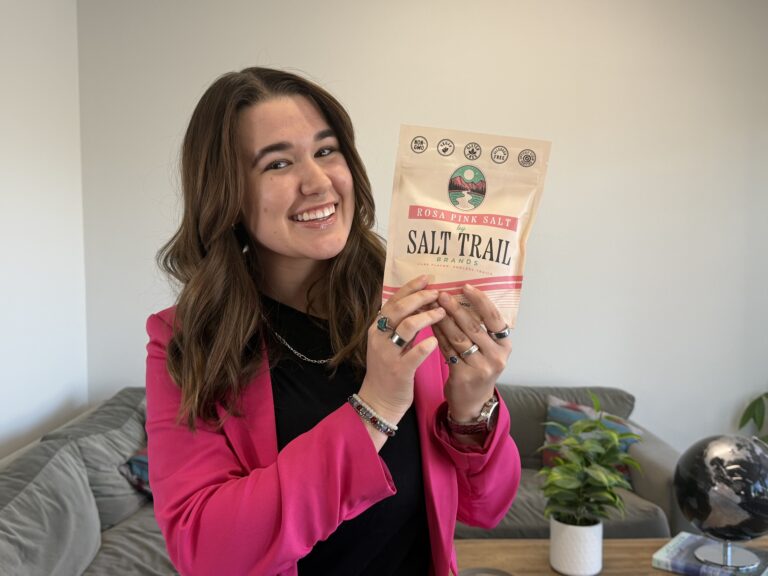
Las Vegas Fulfillment Strategy: Why the West Coast Is Where 3PL Performance Is Won or Lost in 2026
When brands evaluate their fulfillment networks, much of the attention traditionally goes to the East Coast. The reasoning is understandable. There are major population centers, established transportation lanes, ports, and a large concentration of consumers within relatively compact geographic areas. But a national fulfillment strategy cannot stop there. For growing ecommerce, consumer packaged goods, retail, and omnichannel brands, Las Vegas fulfillment strategy and broader West Coast inventory positioning can have a significant impact on shipping costs, transit times, scalability, and the customer experience. In 2026, those considerations are becoming increasingly difficult to ignore. At TCB Global, we work with brands in Las Vegas and across the country that are scaling their operations and evaluating how inventory should be positioned. One recurring challenge is an imbalance between East Coast and West Coast fulfillment. When Western customers are served from inventory positioned too far away, the consequences can appear gradually: transportation costs increase, delivery times become less predictable, and customers in different regions receive noticeably different experiences. The underlying issue often isn’t demand. It’s inventory positioning. Why a Las Vegas Fulfillment Strategy Matters for West Coast Distribution The Western United States presents a different logistics environment than the East Coast. Major population centers can be separated by significant distances. Traditional coastal logistics markets can carry higher real estate and labor costs. Imports can also be affected by changing port conditions, transportation capacity, and other supply chain variables. Those factors make warehouse location especially important. A brand can have efficient warehouse operations but still struggle with fulfillment performance if its inventory is positioned hundreds or thousands of miles from the customers ordering it. This is why distribution strategy must extend beyond what happens inside the warehouse. Brands should also consider where inventory is stored in relation to demand. For companies with meaningful customer concentrations in Western states, a strategically located fulfillment center can reduce the distance between inventory and the final destination. That can improve the economics and consistency of parcel fulfillment without requiring every order to use premium transportation services. Where Brands Get West Coast Fulfillment Wrong Relying Exclusively on East Coast Fulfillment A single fulfillment center can make sense during certain stages of growth. It simplifies inventory management and reduces the number of facilities a brand has to coordinate. But as national order volume increases, that simplicity can create another problem: distance. If inventory is stored exclusively on the East Coast, orders destined for California, Nevada, Arizona, Utah, and other Western markets must travel across a much larger portion of the country. Longer distances can contribute to higher parcel shipping zones, longer transit times, and increased pressure to use faster shipping services. A brand may technically be able to provide expedited delivery from an East Coast facility to a West Coast customer. The question is whether paying for that speed is economically sustainable. A better distribution model may be to position inventory closer to the customer in the first place. Automatically Choosing California for West Coast Fulfillment Once brands recognize the need for Western inventory, California can appear to be the obvious answer. It is a major consumer market with extensive transportation and logistics infrastructure. For some supply chains, locating fulfillment operations in California can make strategic sense. But it is not automatically the right solution for every brand. Companies also have to evaluate warehouse expenses, labor requirements, regulatory considerations, transportation patterns, customer geography, and the overall cost of operating in a particular market. The best fulfillment location is not necessarily the location closest to the Pacific Ocean. It is the location that creates the right balance between customer proximity, transportation access, operating costs, and scalability. For some brands, that calculation makes Nevada particularly attractive. Treating Western Customers as a Secondary Market Another mistake is treating West Coast fulfillment as something to address after growth occurs. That can create a regional imbalance. Customers close to an East Coast warehouse may receive orders quickly using standard parcel services, while customers in the West experience longer transit times or require more expensive shipping methods to receive comparable service. As volume increases, that inconsistency becomes more important. The brand is no longer managing isolated shipments. It is multiplying the same geographic inefficiency across thousands of orders. Why Las Vegas Is Emerging as a Strategic Fulfillment Hub Las Vegas is widely known for tourism, hospitality, and entertainment, but its geographic position also makes Southern Nevada relevant to Western distribution strategies. A Las Vegas fulfillment strategy can give brands access to major Western markets without requiring their fulfillment operation to be located directly inside a coastal logistics market. Access to Major Western Markets From Southern Nevada, fulfillment operations can serve customers throughout markets including: Actual delivery times and shipping costs will depend on the carrier, service level, destination, product characteristics, and other factors. However, positioning inventory in the Western U.S. can substantially reduce the distance traveled compared with fulfilling those same orders exclusively from an East Coast warehouse. That geographic advantage matters because parcel transportation costs are closely connected to factors such as distance, package dimensions, weight, and service level. The less distance an order has to travel, the more opportunities a brand may have to improve both speed and shipping economics. Lower-Cost Alternatives to Traditional Coastal Logistics Markets Fulfillment location is not simply a transportation decision. Warehouse and labor economics also matter. Operating directly inside a major coastal market can expose companies to a different cost structure than operating in nearby inland logistics markets. Las Vegas provides brands with an alternative: remain close to large Western consumer markets while evaluating a potentially more scalable operating environment. This concept can be summarized as proximity without unnecessary operational burden. A company does not necessarily need inventory inside every major city it serves. Instead, it needs inventory positioned strategically enough to reach those customers efficiently. That distinction is central to effective 3PL network design. How TCB Global Builds a Las Vegas Fulfillment Strategy TCB Global’s Las Vegas fulfillment operations are part of a broader national distribution approach.
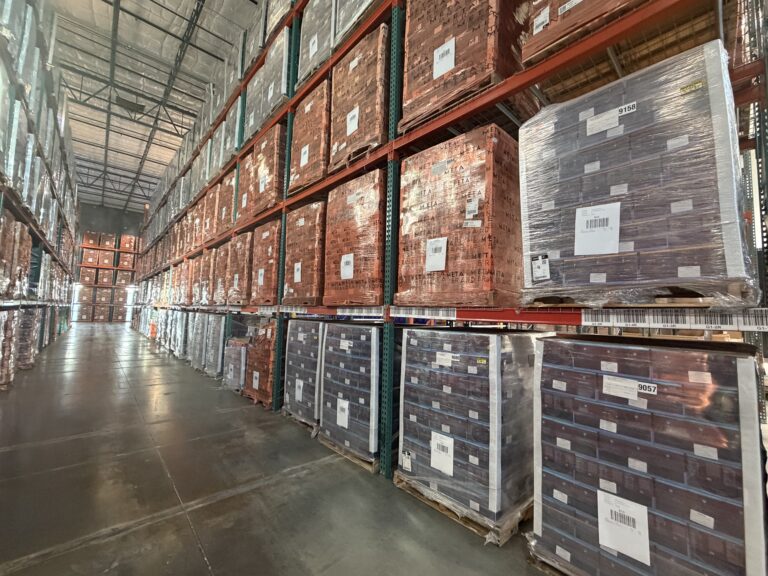
Beverage Fulfillment in Florida: Why Most 3PLs Get It Wrong (And What Beverage Brands Should Do Instead)
With more than 23 million residents, millions of annual visitors, world-renowned tourism destinations, and some of the busiest seaports in the United States, the state offers tremendous opportunities for brands expanding their distribution footprint. Consumers expect fast delivery, retailers demand consistent inventory, and businesses continue to invest in Florida’s rapidly growing economy. On the surface, beverage fulfillment in Florida seems straightforward, but many beverage brands quickly discover a different reality.
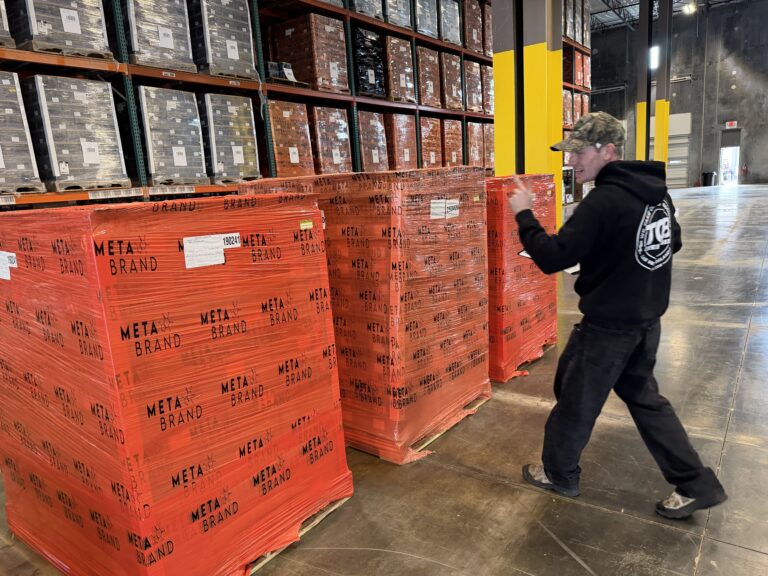
Beverage Retail Chargebacks: What’s Causing Them and How to Stop Them
Landing a retail account is a major milestone for any beverage brand. It means greater visibility, larger order volumes, and access to new customers. Whether your products are hitting grocery store shelves, convenience stores, specialty retailers, or national chains, retail distribution creates tremendous opportunities for growth. However, retail also introduces a challenge that catches many beverage brands by surprise: Beverage Retail Chargebacks.
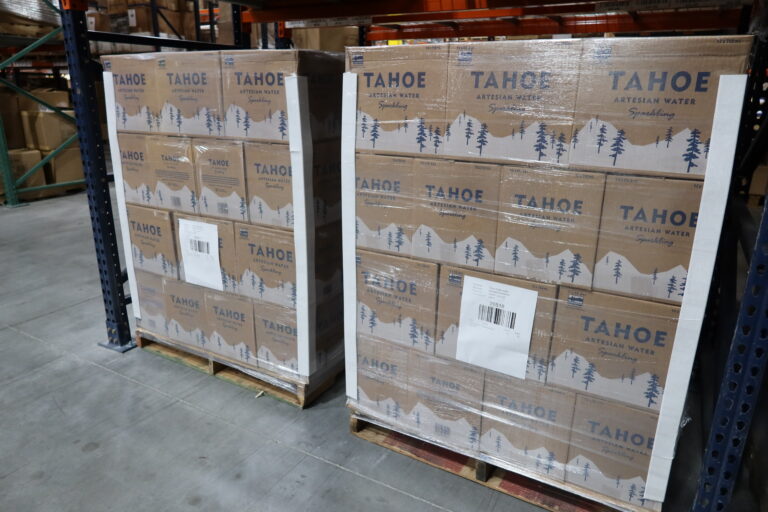
How We are Scaling Beverage Distribution Without Breaking Your Supply Chain
Growing a beverage brand is an exciting milestone. Increased demand, expanding retail partnerships, and rising order volumes are all signs that your products are resonating with consumers. But while growth creates opportunity, scaling beverage distribution also introduces operational challenges that many brands underestimate.
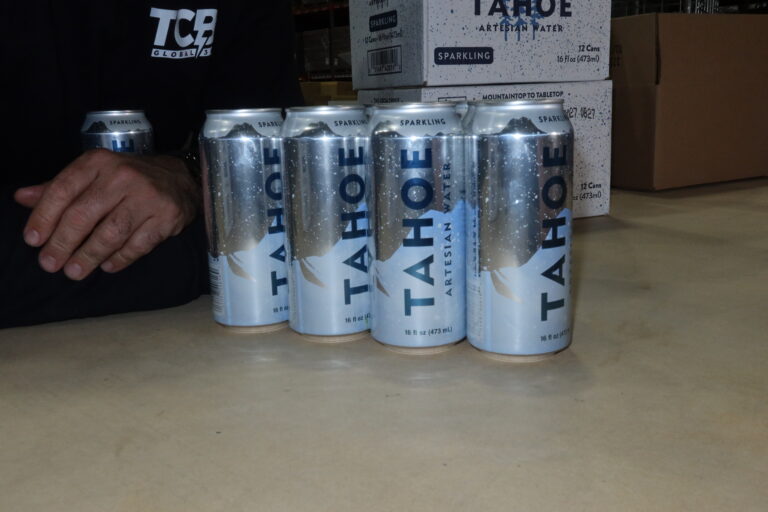
Beverage Logistics: Why It’s Harder Than You Think (And Why the Right 3PL Matters)
New products are entering the market every day. Consumer preferences continue to shift toward healthier options, functional beverages, ready-to-drink products, and specialty drinks. At the same time, brands are expanding beyond traditional retail into direct-to-consumer (DTC) sales, wholesale distribution, Amazon, and other online marketplaces.
While growth presents exciting opportunities, it also introduces a challenge many beverage companies underestimate:
Beverage logistics is significantly more complex than standard product fulfillment.
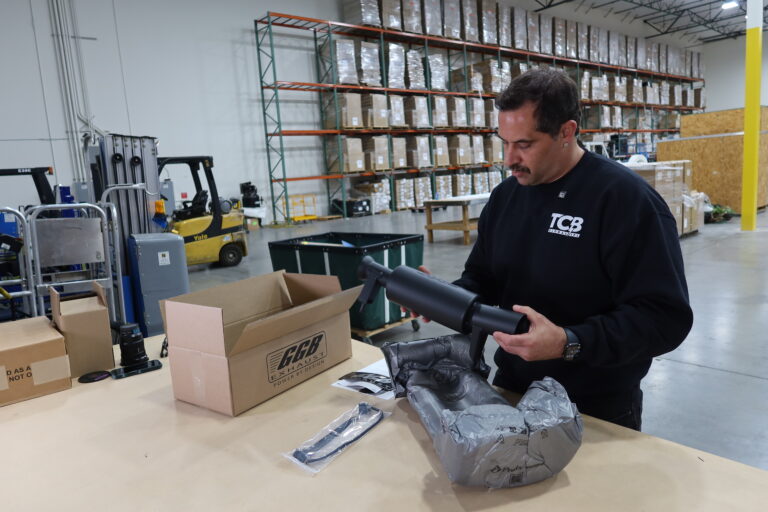
What a High-Performance 3PL Should Look Like in 2026 (And Why Most Don’t Meet the Standard)
The logistics industry is evolving rapidly, and so are the expectations businesses place on their third-party logistics (3PL) providers. A decade ago, a “good” 3PL was one that stored inventory, shipped orders accurately, and offered competitive pricing. Today, those capabilities are simply the baseline.
As we move into 2026, the definition of a high-performance 3PL has fundamentally changed.
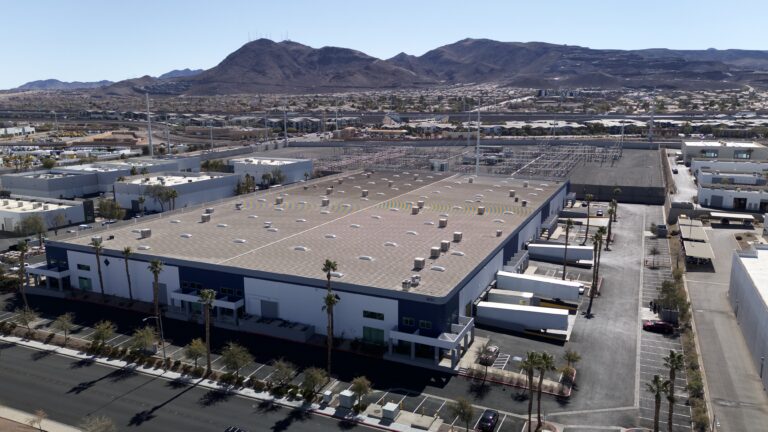
How to Switch 3PLs Without Disrupting Your Business: A Step-by-Step Guide for Growing Brands
At TCB Global, we help businesses throughout Orlando, Las Vegas, and across the United States transition to new logistics operations with minimal disruption. The companies we work with often come to us after outgrowing their existing fulfillment partner, and they all ask the same question:
“How do we switch 3PLs without disrupting our business?”
The answer is preparation, process, and execution.
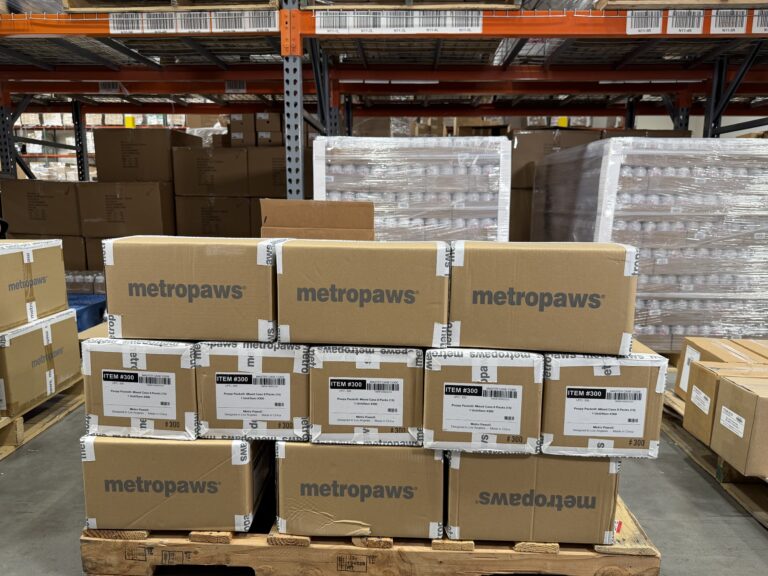
3PL Audit Checklist: 10 Questions Every Brand Should Be Asking in 2026
At TCB Global, we work with fast-growing brands across Orlando, Las Vegas, and throughout the United States that reach this exact crossroads. In many cases, they don’t necessarily need a new fulfillment partner. What they need first is a clear understanding of how their current provider is performing.
That’s where a comprehensive 3PL audit checklist becomes invaluable.
Rather than reacting to problems after they’ve impacted customer experience and profitability, a structured audit helps identify hidden inefficiencies before they become costly obstacles.
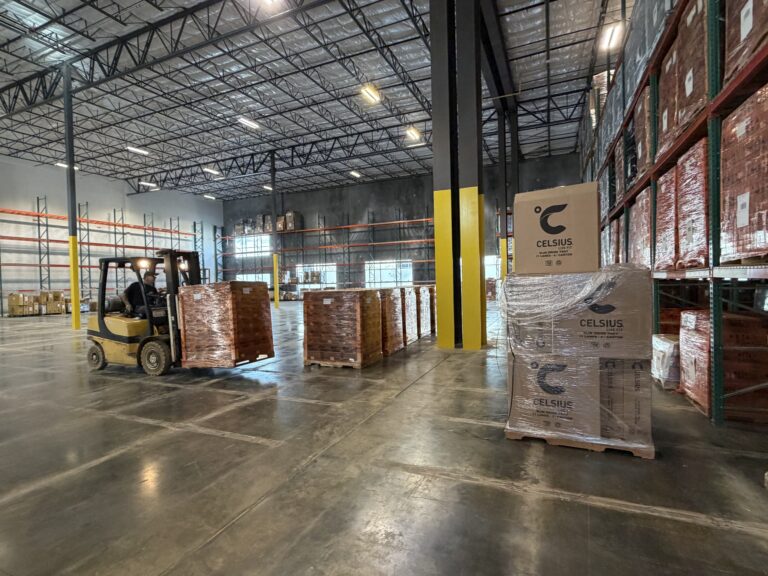
Why Fast-Growing Brands Outgrow Their First 3PL: Signs It’s Time for Scalable Fulfillment
For many ecommerce businesses, partnering with a third-party logistics (3PL) provider is a major milestone. It marks the transition from packing orders in a garage or small warehouse to operating with professional fulfillment support. In the early stages, that first provider often delivers exactly what your business needs.
However, fast-growing brands outgrow their first 3PL more often than they expect.
As order volume increases, product catalogs expand, and sales channels multiply, the fulfillment solution that once fueled growth can quickly become a bottleneck. Instead of enabling scalability, it creates operational friction that affects customer satisfaction, shipping costs, and profitability.