For many ecommerce businesses, partnering with a third-party logistics (3PL) provider is a major milestone. It marks the transition from packing orders in a garage or small warehouse to operating with professional fulfillment support. In the early stages, that first provider often delivers exactly what your business needs.
However, fast-growing brands outgrow their first 3PL more often than they expect.
As order volume increases, product catalogs expand, and sales channels multiply, the fulfillment solution that once fueled growth can quickly become a bottleneck. Instead of enabling scalability, it creates operational friction that affects customer satisfaction, shipping costs, and profitability.
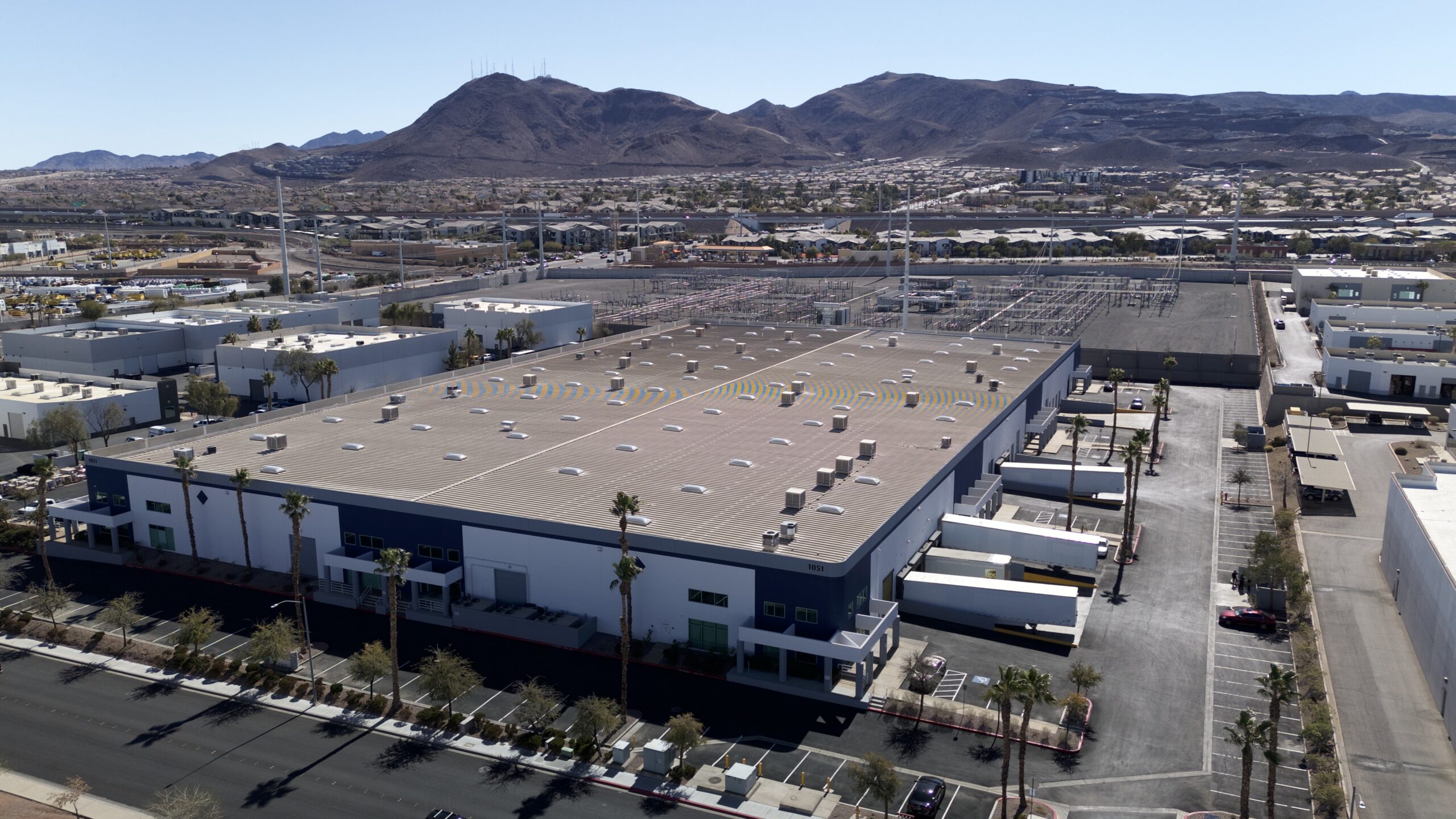
At TCB Global, we regularly help brands across Orlando, Las Vegas, and throughout the United States make the transition from an entry-level fulfillment partner to a scalable logistics solution designed for long-term growth.
Why Your First 3PL Was the Right Choice
Your first 3PL likely wasn’t a mistake—it was simply the right fit for an earlier stage of your business.
During startup and early growth, fulfillment requirements are relatively straightforward:
- Lower order volumes
- A limited number of SKUs
- Simple shipping workflows
- Few sales channels
At this point, affordability, speed to launch, and basic operational support are usually more important than advanced infrastructure.
But business growth changes those requirements rapidly.
What Changes as Your Brand Scales
As your company expands, fulfillment becomes significantly more complex. You’re no longer shipping a handful of daily orders. Instead, you’re managing an increasingly sophisticated supply chain.
Growing brands often need to support:
- Multiple ecommerce platforms such as Shopify
- Amazon fulfillment requirements
- Retail and wholesale distribution
- Larger SKU counts and product variations
- Higher daily order volumes
- Faster customer delivery expectations
- Retail compliance and routing requirements
Each new layer of complexity places additional pressure on your fulfillment operation. Without scalable systems, even minor inefficiencies become expensive problems.
The Signs You’ve Outgrown Your 3PL
Many companies don’t realize they’ve outgrown their fulfillment provider until operational issues become impossible to ignore.
Common warning signs include:
- Orders consistently shipping later than expected
- Inventory counts no longer matching physical stock
- Increased customer complaints
- More time spent fixing fulfillment issues than growing the business
As growth continues, additional problems often emerge:
- Frequent stockouts despite available inventory
- Picking and packing errors
- Peak-season fulfillment delays
- Rising shipping expenses
- Limited visibility into inventory and operations
These aren’t isolated incidents. They’re symptoms of a fulfillment system that can no longer support your business at its current scale.
Why Many 3PL Providers Struggle to Scale
One of the biggest misconceptions in logistics is that every 3PL can grow alongside your business.
In reality, many providers are intentionally designed for:
- Small to midsize ecommerce companies
- Lower SKU counts
- Basic fulfillment workflows
- Limited channel integrations
There’s nothing inherently wrong with this model. It simply means their infrastructure wasn’t built for brands experiencing rapid expansion.
As operational demands increase, limitations become more apparent.
Manual processes create delays.
Disconnected systems create inventory inaccuracies.
Inconsistent workflows create fulfillment errors.
Over time, those issues reduce margins and limit your ability to continue scaling efficiently.
The Biggest Fulfillment Breakdown Points
Inventory Accuracy
As order volume grows, inventory accuracy becomes mission-critical.
Without real-time inventory visibility, businesses risk overselling products, delaying shipments, or disappointing customers with unexpected stockouts.
Accurate inventory management supports better forecasting, purchasing decisions, and customer satisfaction.
Technology Limitations
Basic warehouse management systems often struggle with:
- Real-time inventory updates
- Multi-channel synchronization
- Automated order routing
- Advanced reporting
When systems can’t communicate effectively, bottlenecks develop throughout the fulfillment process.
Lack of Standardized Processes
Growth requires consistency.
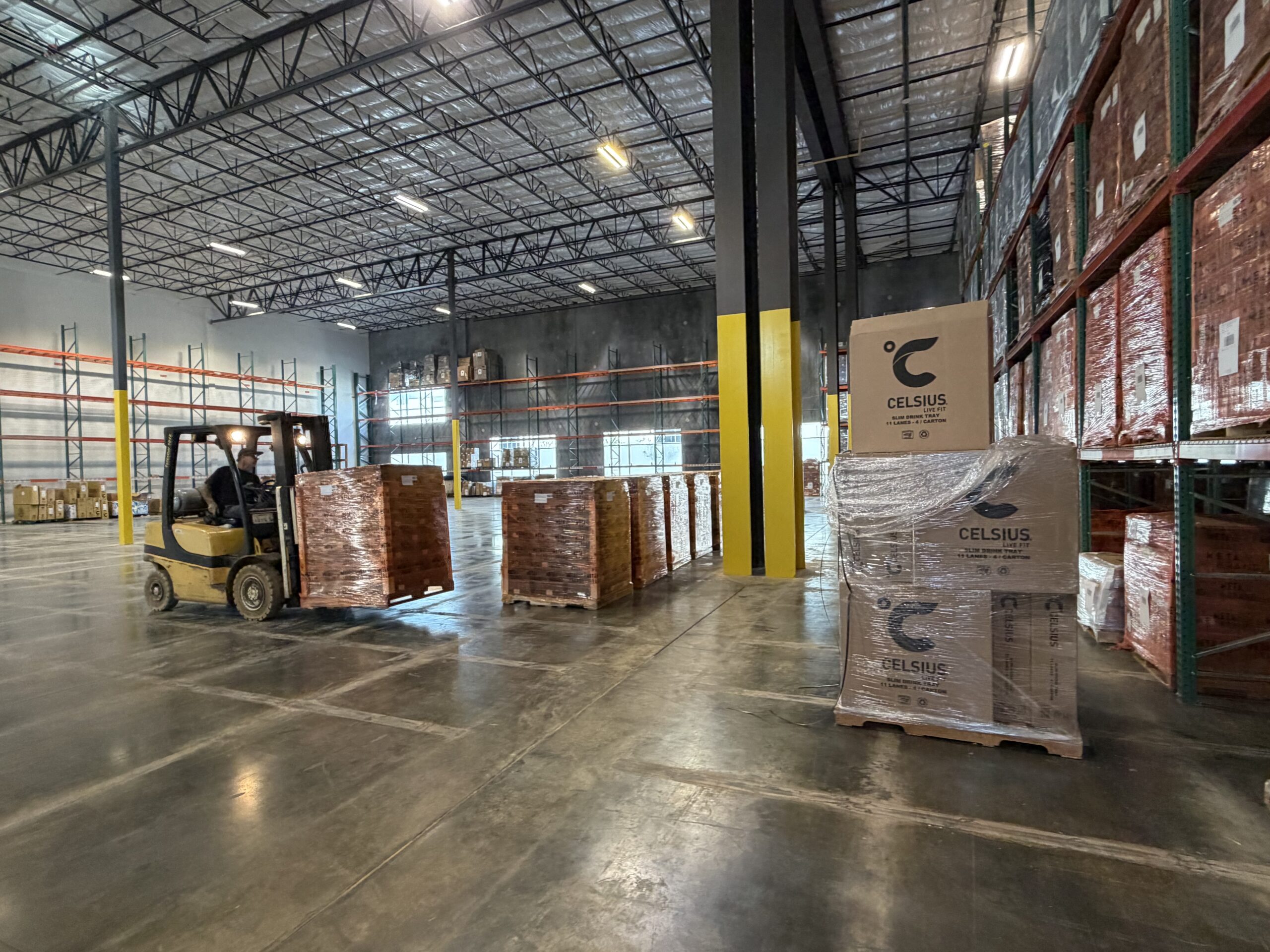
Receiving, storage, picking, packing, and shipping should all follow standardized workflows that maintain accuracy regardless of order volume.
Without documented processes, fulfillment quality becomes unpredictable.
Single-Warehouse Fulfillment
Shipping nationwide from one facility may work early on, but eventually it creates:
- Longer transit times
- Higher shipping zones
- Increased freight costs
- Less competitive delivery speeds
Strategically positioning inventory closer to customers can dramatically improve both service levels and shipping efficiency.
Why Brands Delay Switching 3PL Providers
Recognizing fulfillment problems is one thing.
Acting on them is another.
Many businesses hesitate because changing fulfillment partners feels risky. Concerns about inventory transfers, onboarding, and customer disruption often lead companies to postpone the decision.
Instead, they attempt temporary fixes by:
- Hiring more staff
- Increasing manual oversight
- Asking their current provider to do more
- Creating workarounds for operational issues
Unfortunately, these solutions rarely address the root cause.
If the underlying infrastructure can’t support growth, problems simply become more expensive over time.
What Smart Growth Companies Do Differently
Successful brands understand that scaling requires more than increasing sales.
It requires upgrading operational infrastructure before fulfillment becomes a competitive disadvantage.
Instead of reacting to recurring issues, they proactively transition from:
- Reactive fulfillment to standardized operations
- Single-location shipping to multi-location fulfillment
- Manual processes to scalable systems
- Limited visibility to real-time operational insight
This approach supports sustainable growth while protecting customer experience.
How TCB Global Helps Fast-Growing Brands Scale
TCB Global specializes in helping brands that have reached the point where their original fulfillment solution no longer meets their needs.
Our focus is simple: build fulfillment systems that grow alongside your business instead of becoming a barrier to growth.
Structured Operational Processes
Consistent workflows across receiving, inventory management, picking, packing, and shipping improve accuracy while supporting higher order volumes.
Real-Time Inventory Visibility
Our systems provide continuous inventory tracking so businesses can make informed decisions with confidence.
Greater visibility reduces stock discrepancies, minimizes delays, and improves overall operational performance.
Multi-Channel Fulfillment Integration
Whether you’re selling through Shopify, Amazon, retail partners, or wholesale accounts, integrated fulfillment helps simplify operations and improve efficiency.
Strategic Warehouse Locations
With fulfillment centers in Orlando and Las Vegas, TCB Global helps position inventory closer to customers across the country.
This strategic placement can reduce shipping zones, shorten transit times, and help control transportation costs.
What Scalable Fulfillment Looks Like
When your fulfillment partner is built for long-term growth, operations become more predictable.
Orders ship on time.
Inventory remains accurate.
Delivery performance improves.
Shipping costs become easier to manage.
Most importantly, your internal team can focus on growing the business instead of constantly solving fulfillment problems.
Final Thoughts
Outgrowing your first 3PL isn’t a setback—it’s a sign your business has reached a new stage of success.
The challenge isn’t growth itself. The challenge is ensuring your fulfillment infrastructure evolves alongside your business.
If your current fulfillment operation feels increasingly difficult to manage, it may be time to evaluate whether your logistics partner is still the right fit.
TCB Global helps fast-growing brands implement scalable fulfillment solutions designed for long-term success. With structured operations, real-time inventory visibility, multi-channel integration, and strategically located fulfillment centers, we provide the infrastructure growing businesses need to continue scaling with confidence.
Ready to build a fulfillment operation that grows with your business? Learn how TCB Global supports high-growth ecommerce brands by exploring our fulfillment solutions at https://tcb3pl.com/services/fulfillment-for-high-growth-brands/ and discover how the right 3PL partner can help you scale more efficiently.
Frequently Asked Questions
Why do fast-growing brands outgrow their first 3PL?
As businesses scale, order volumes, SKUs, sales channels, and customer expectations increase. Many entry-level 3PL providers aren’t designed to support this level of operational complexity.
What are the signs I need a new 3PL?
Late shipments, inventory inaccuracies, increasing fulfillment errors, higher shipping costs, and limited operational visibility are common indicators that you’ve outgrown your current provider.
Is switching 3PL providers risky?
Transitioning can involve careful planning, but working with an experienced fulfillment partner that follows a structured onboarding process can significantly reduce disruption.
How does TCB Global support scaling brands?
TCB Global provides standardized fulfillment processes, real-time inventory management, multi-channel integration, and strategically located warehouse facilities in Orlando and Las Vegas to support long-term growth.
When should I switch to a new 3PL?
The best time is before fulfillment issues begin impacting customer satisfaction, operational efficiency, and profitability. Proactively upgrading your fulfillment infrastructure helps support continued business growth.