Most brands think rising shipping costs are the problem.
They’re not.
Shipping costs are usually the symptom of a much larger operational issue: where inventory is stored, how demand is forecasted, and whether fulfillment operations are reactive or predictive.
Too many ecommerce brands wait for an order to come in and then figure out how to ship it. That approach may work temporarily, but as order volume grows, reactive fulfillment creates escalating transportation expenses, slower delivery times, inventory imbalances, and operational inefficiencies.
The brands gaining a competitive advantage today are doing something different.
They are positioning inventory before the order even happens.
That is the foundation of a predictive fulfillment strategy.
By using data-driven forecasting and strategically located fulfillment centers, brands can reduce shipping zones, lower parcel costs, improve delivery speed, and create a more scalable logistics operation.
For high-growth ecommerce companies, predictive fulfillment is no longer optional. It is becoming a core operational requirement for controlling costs and meeting customer expectations.
What Is Predictive Fulfillment?
Predictive fulfillment is a logistics strategy that uses data to anticipate customer demand and position inventory closer to future buyers before orders are placed.
Instead of reacting to purchases after they occur, predictive fulfillment helps brands proactively allocate inventory across warehouse locations based on expected demand patterns.
This approach relies on several key data points, including:
- Historical sales data
- Regional buying behavior
- Seasonal demand trends
- Marketing campaign forecasts
- Channel-specific order volume
- Product velocity trends
- Geographic customer distribution
The goal is simple: reduce the distance between inventory and the customer.
When inventory is already positioned near likely buyers, brands can fulfill orders faster and at a lower cost.
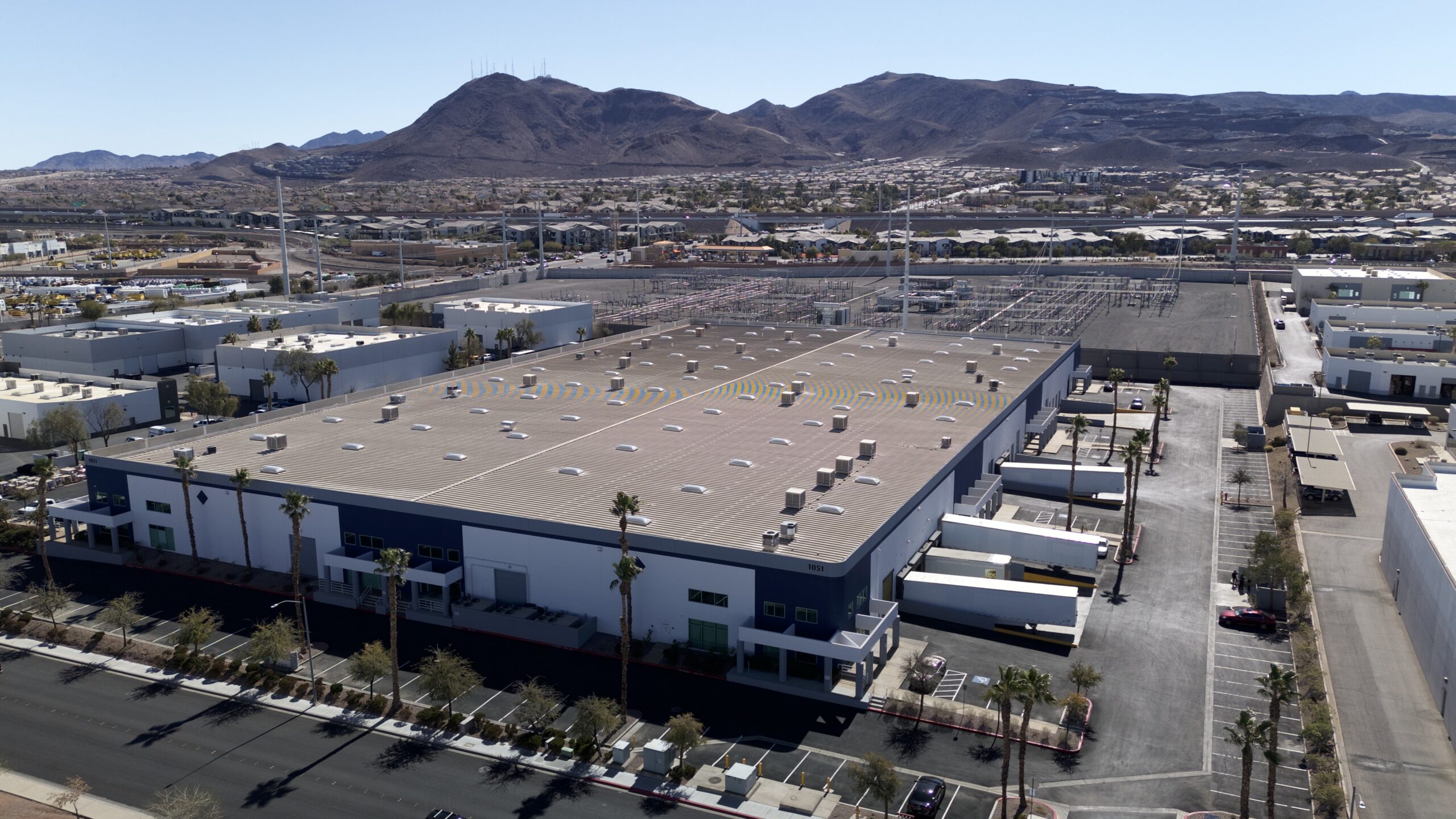
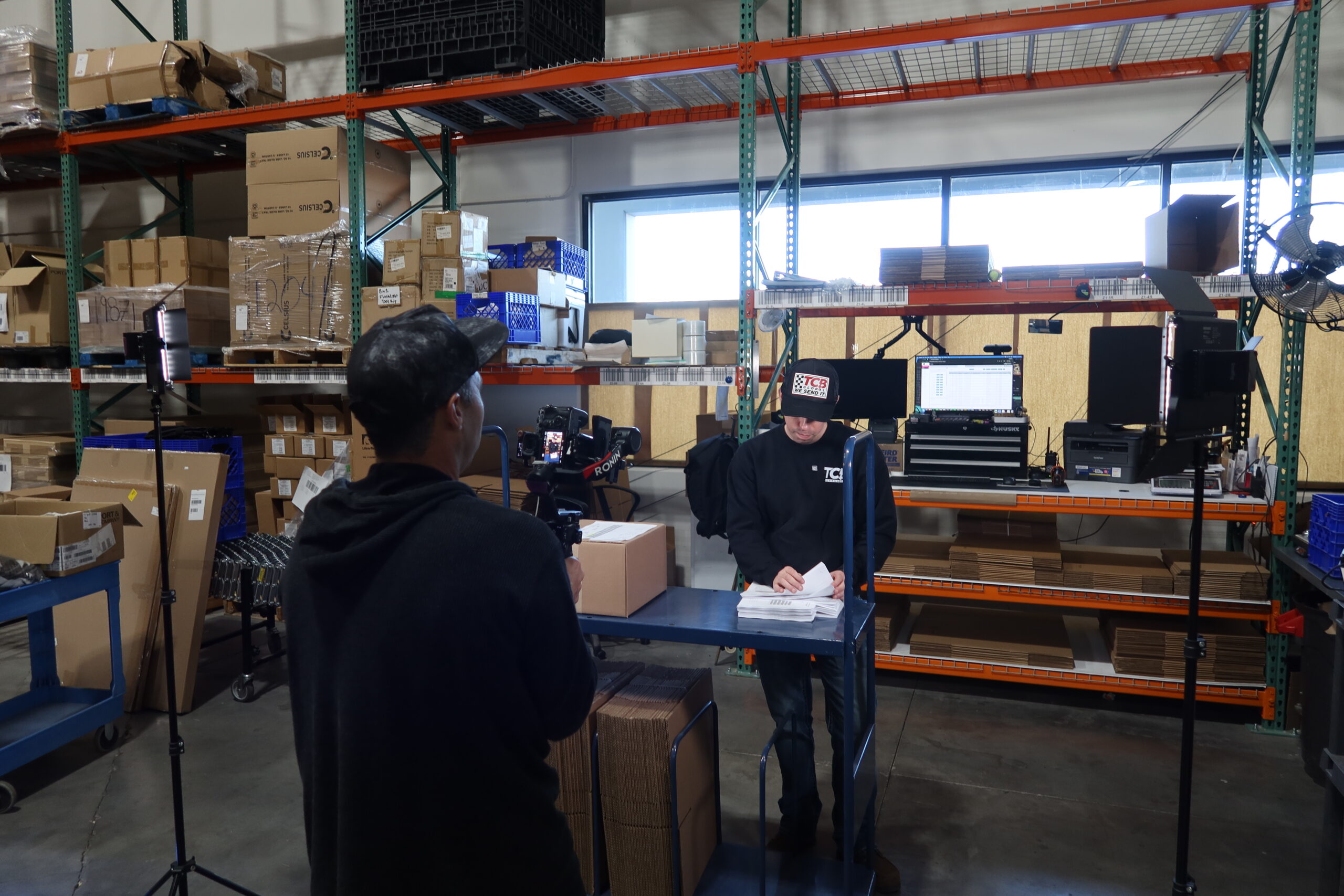
This is one reason why companies increasingly partner with strategically located providers like TCB Global’s fulfillment center services to support regional inventory positioning and national distribution coverage.
Why Reactive Fulfillment Is Expensive
Many brands still operate with a reactive fulfillment model.
The process typically looks like this:
Order comes in → locate available inventory → ship from wherever product exists → absorb the shipping cost.
While this may seem operationally simple, it often creates major cost inefficiencies behind the scenes.
Common Problems with Reactive Fulfillment
Higher Shipping Costs
When inventory is stored in a single warehouse far from the customer, orders often travel across multiple shipping zones. Carriers charge more for longer-distance shipments, increasing parcel costs significantly.
Longer Delivery Times
Modern consumers expect fast delivery. Reactive fulfillment models frequently result in extended transit times that negatively impact customer satisfaction and repeat purchases, especially for brands managing high-volume ecommerce operations through direct-to-consumer fulfillment services.
Expedited Shipping Expenses
Brands operating without predictive inventory placement often rely on expedited shipping to compensate for poor positioning. Overnight and two-day shipping costs can quickly erode profit margins.
Split Shipments
Inventory fragmentation creates another expensive problem: split shipments.
When products within the same order are stored in different locations, brands may pay for multiple shipments to complete one customer order.
Inventory Imbalances
Reactive fulfillment also increases the risk of overstocking slow-moving locations while understocking high-demand regions. This creates unnecessary storage costs and stockout risks simultaneously.
Without a predictive fulfillment strategy, logistics costs become increasingly difficult to control as order volume scales, particularly for ecommerce businesses requiring scalable infrastructure for fulfillment for high-growth brands.
How Predictive Fulfillment Cuts Costs
A predictive fulfillment strategy improves operational efficiency by aligning inventory placement with expected demand.
Here are five major ways smart brands reduce costs through predictive logistics planning.
1. Reduced Shipping Zones
Shipping zones directly impact parcel pricing.
The farther a package travels, the higher the shipping cost.
By positioning inventory closer to customers, brands can reduce average shipping zones and lower transportation expenses substantially.
For example, instead of shipping every order from one centralized warehouse, predictive fulfillment distributes inventory across strategically located fulfillment hubs.
This allows orders to travel shorter distances while still meeting fast delivery expectations.
Lower zones typically mean:
- Reduced parcel rates
- Faster transit times
- Lower fuel surcharge exposure
- Improved carrier performance
2. Fewer Split Shipments
Inventory forecasting helps brands distribute products more intelligently across warehouse locations.
As a result, more customer orders can ship complete from a single facility.
Reducing split shipments lowers:
- Packaging costs
- Labor expenses
- Carrier fees
- Delivery complexity
It also creates a better customer experience because buyers receive fewer partial deliveries.
3. Lower Expedited Shipping Costs
Brands frequently overspend on expedited shipping when inventory is poorly positioned.
Predictive fulfillment reduces the need for costly overnight or two-day air shipments because products are already located near anticipated buyers.
Instead of paying premium transportation costs to recover from operational inefficiencies, brands can rely on ground shipping from strategically positioned inventory.
Ground shipping often delivers nearly as fast when fulfillment centers are geographically optimized.
4. Better Inventory Planning
Inventory forecasting creates more balanced stock allocation across warehouse locations.
This helps brands avoid:
- Overstocking
- Dead inventory
- Regional stockouts
- Emergency replenishment transfers
A predictive fulfillment strategy also supports stronger purchasing decisions because brands gain better visibility into product demand trends by region and channel.
Improved forecasting leads to healthier inventory turnover and more efficient working capital management.
5. Improved Labor Efficiency
Predictive fulfillment creates operational consistency inside the warehouse.
When inventory is positioned correctly and order flow becomes more predictable, warehouse teams can plan labor more efficiently.
Benefits include:
- More efficient picking workflows
- Reduced overtime costs
- Better staffing allocation
- Faster order processing
- Higher operational throughput
For ecommerce businesses experiencing rapid growth, labor efficiency becomes increasingly important to maintaining profitability at scale.
This is why many scaling brands leverage specialized direct-to-consumer fulfillment services that combine operational infrastructure with predictive logistics support.
Why Orlando and Las Vegas Matter for Fulfillment Strategy
Location is one of the most overlooked variables in fulfillment optimization.
Strategically positioned fulfillment hubs can dramatically improve both delivery speed and shipping economics.
Two increasingly valuable logistics markets are Orlando and Las Vegas.
Orlando Fulfillment Advantages
Orlando provides strong access to:
- Southeastern population centers
- Florida consumer markets
- East Coast shipping lanes
- Major parcel carrier infrastructure
- International port connectivity
Florida continues to experience significant population and ecommerce growth, making Orlando an important regional fulfillment hub for brands seeking faster delivery throughout the Southeast.
Las Vegas Fulfillment Advantages
Las Vegas offers strategic positioning for:
- Western U.S. distribution
- California market access
- Southwest shipping coverage
- Reduced congestion compared to coastal ports
- Faster access to major western metro areas
Using multiple fulfillment hubs across regions allows brands to distribute inventory intelligently while lowering overall transportation costs.
For high-volume ecommerce operations, warehouse geography plays a critical role in delivery performance and logistics scalability.
Where TCB Global Comes In
Predictive fulfillment requires more than warehouse space.
It requires operational expertise, inventory visibility, geographic strategy, and execution discipline.
TCB Global helps ecommerce brands build smarter fulfillment operations using:
- Data-driven inventory planning
- Strategically located fulfillment centers
- Real-time inventory visibility
- Multi-channel fulfillment management
- Scalable warehouse infrastructure
- Direct-to-consumer fulfillment execution
Rather than treating fulfillment as a simple shipping function, TCB Global helps brands optimize the entire logistics ecosystem.
This includes aligning warehouse placement, inventory forecasting, labor planning, and carrier strategy to reduce total fulfillment costs.
As brands grow, logistics complexity increases quickly. Businesses that fail to modernize fulfillment strategy often experience shrinking margins despite rising sales volume.
That is why many ecommerce companies partner with providers specializing in fulfillment for high-growth brands that require scalable infrastructure capable of supporting rapid expansion.
Predictive Fulfillment Is Becoming a Competitive Advantage
Consumer expectations continue to evolve.
Customers now expect:
- Faster shipping
- Lower delivery costs
- Real-time order visibility
- Consistent delivery performance
Meeting those expectations while protecting margins requires a more advanced fulfillment strategy.
Predictive fulfillment allows brands to move from reactive operations to proactive logistics management.
The result is lower costs, improved customer satisfaction, stronger operational scalability, and healthier long-term profitability.
Brands that continue relying on outdated fulfillment models may find themselves paying increasingly higher shipping costs without solving the underlying operational problem.
Conclusion
If your shipping costs keep rising, the issue may not be your carrier.
It may be your fulfillment strategy.
A predictive fulfillment strategy helps brands reduce shipping zones, lower expedited transportation expenses, improve delivery speed, optimize inventory planning, and scale operations more efficiently.
By using data, warehouse positioning, and operational forecasting, brands can transform fulfillment from a cost center into a competitive advantage.
TCB Global helps ecommerce businesses build scalable predictive fulfillment models designed for long-term growth, operational efficiency, and lower logistics costs.
If your current fulfillment operation feels reactive, now may be the time to rethink how your inventory is positioned before the next order ever happens.