Scaling an ecommerce brand is exciting—until inventory problems start slowing growth.
One month you’re dealing with stockouts and delayed shipments. The next, you’re sitting on excess inventory that drains cash flow and increases storage costs. For high-growth brands, inventory planning becomes one of the biggest operational challenges as order volume increases across Shopify, Amazon, retail, and wholesale channels.
That’s why more brands are turning to AI-powered demand forecasting to improve inventory accuracy, reduce operational inefficiencies, and scale without chaos.
Today’s fastest-growing ecommerce companies are no longer relying on spreadsheets and guesswork to manage inventory. They’re using predictive data, real-time analytics, and strategic fulfillment partnerships to make smarter decisions before problems happen.
In this guide, we’ll break down:
- What AI-powered demand forecasting is
- Why traditional inventory forecasting fails at scale
- How predictive inventory planning reduces costs
- Why fulfillment location matters
- How TCB Global helps high-growth brands scale efficiently
What Is AI-Powered Demand Forecasting?
AI-powered demand forecasting uses artificial intelligence, historical sales data, real-time trends, and predictive analytics to estimate future product demand with greater accuracy.
Instead of relying on static reports or manual calculations, AI systems analyze large amounts of data across multiple variables, including:
- Historical sales performance
- Seasonal demand patterns
- Marketing campaign activity
- Consumer buying trends
- Geographic purchasing behavior
- Multi-channel sales data
- Inventory turnover rates
The result is a smarter inventory planning system that helps brands anticipate demand instead of reacting to it.
For high-growth ecommerce businesses, this level of forecasting creates a major competitive advantage.
Why Traditional Inventory Forecasting Breaks Down
Traditional forecasting methods may work for small businesses with stable demand, but they struggle under the pressure of rapid growth.
Most brands still rely on outdated inventory planning methods such as:
- Manual spreadsheets
- Historical sales averages
- Gut instinct and assumptions
- Static reorder points
- Delayed reporting systems
The problem is that modern ecommerce demand changes fast.
A single influencer campaign can cause a sudden spike in orders. A viral TikTok video can shift inventory demand overnight. Seasonal changes, retail expansion, and marketplace growth create even more unpredictability.
Without accurate forecasting, brands often experience:
Stockouts
Running out of inventory during demand spikes leads to:
- Lost sales
- Lower customer satisfaction
- Poor marketplace rankings
- Increased customer acquisition costs
Excess Inventory
Over-ordering creates problems like:
- Higher warehousing costs
- Dead stock accumulation
- Reduced cash flow
- Discounting pressure
Expedited Shipping Costs
When inventory placement is poor, brands often rely on expensive shipping methods to keep up with customer expectations.
Operational Chaos
Poor forecasting creates stress across the entire supply chain, including:
- Warehouse bottlenecks
- Picking and packing delays
- Inventory inaccuracies
- Customer service issues
At scale, these aren’t small inefficiencies—they become major profit killers.
How AI-Powered Demand Forecasting Improves Inventory Planning
The biggest advantage of AI-powered demand forecasting is visibility.
Instead of making decisions based on outdated reports, brands gain real-time insights into how inventory should move across channels, regions, and fulfillment centers.
Here’s how predictive inventory management improves operations:
1. Reduced Stockouts and Better Product Availability
AI forecasting helps brands position high-demand inventory before demand spikes occur.
This means products are available where and when customers need them.
Benefits include:
- Higher order fulfillment rates
- Better customer experience
- Improved retention
- Stronger Amazon and marketplace performance
For scaling brands, inventory availability directly impacts revenue growth.
2. Lower Excess Inventory Costs
One of the most expensive mistakes brands make is over-ordering inventory based on inaccurate projections.
AI forecasting identifies slow-moving SKUs and adjusts purchasing strategies to avoid unnecessary storage costs.
This reduces:
- Overstocking
- Dead inventory
- Long-term storage fees
- Cash flow constraints
For ecommerce brands focused on profitability, inventory efficiency matters just as much as sales growth.
3. Smarter Fulfillment and Shipping Optimization
Inventory forecasting isn’t only about predicting demand—it’s also about inventory placement.
When brands strategically distribute inventory across fulfillment centers, they can reduce shipping zones and improve delivery speed.
For example, brands using fulfillment centers in Orlando and Las Vegas can position inventory more effectively across the United States.
This creates:
- Faster delivery times
- Lower shipping costs
- Reduced transit distances
- Better customer satisfaction
Strategic fulfillment placement becomes even more important as brands scale nationally.
4. Better Multi-Channel Inventory Management
Modern ecommerce brands often sell through multiple channels, including:
- Shopify
- Amazon
- Walmart Marketplace
- Retail stores
- Wholesale distribution
Each channel behaves differently and creates unique demand patterns.
Without predictive inventory planning, brands often experience:
- Overselling
- Inventory imbalances
- Channel-specific stockouts
- Delayed replenishment
AI-powered forecasting helps synchronize inventory across all channels, improving visibility and reducing costly errors.
Why Fulfillment Strategy Matters as Much as Forecasting
Forecasting alone isn’t enough.
Even accurate inventory predictions fail if fulfillment operations can’t execute efficiently.
That’s why high-growth brands need fulfillment partners that combine:
- Predictive inventory insights
- Strategic warehouse placement
- Multi-channel fulfillment support
- Real-time inventory visibility
- Operational scalability
A strong 3PL partner doesn’t just ship products—they help brands build smarter inventory systems.
How TCB Global Helps High-Growth Brands Scale
TCB Global specializes in fulfillment solutions designed specifically for scaling ecommerce brands.
By combining strategic fulfillment operations with smarter inventory planning, TCB Global helps brands reduce inefficiencies while supporting long-term growth.
Their fulfillment infrastructure is designed to help businesses:
- Reduce stockouts
- Improve inventory accuracy
- Lower shipping costs
- Optimize fulfillment speed
- Scale multi-channel operations
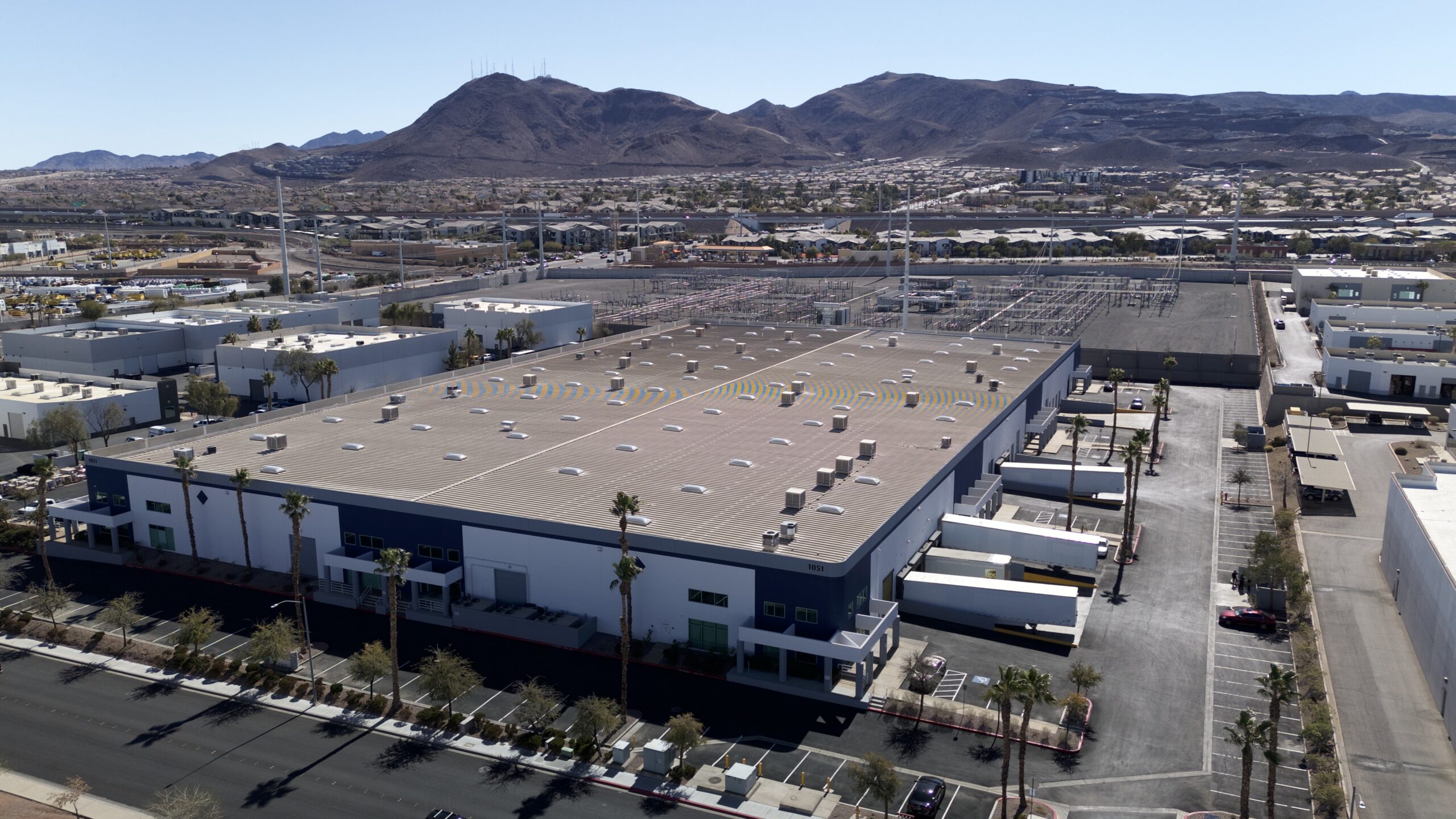
With fulfillment centers strategically located in Orlando and Las Vegas, TCB Global helps brands distribute inventory more efficiently across the country.
This creates a major advantage for brands looking to improve delivery performance while controlling logistics costs.
Learn more about their fulfillment solutions for scaling ecommerce businesses here.
Signs Your Brand Needs Better Demand Forecasting
Many ecommerce businesses don’t realize forecasting problems are hurting profitability until operational issues become constant.
Here are common signs your forecasting strategy needs improvement:
- Frequent stockouts
- Excess inventory buildup
- Rising storage fees
- Constant expedited shipping costs
- Inaccurate inventory reporting
- Inventory imbalances across channels
- Fulfillment delays during sales spikes
- Difficulty scaling operations
If your team constantly feels reactive instead of proactive, your inventory planning process may already be limiting growth.
Frequently Asked Questions About AI-Powered Demand Forecasting
Is AI-powered demand forecasting only for large ecommerce brands?
No. Any brand experiencing growth across multiple sales channels can benefit from predictive inventory planning.
Even mid-sized ecommerce businesses can reduce operational costs with better forecasting visibility.
Can AI forecasting completely eliminate stockouts?
No forecasting system is perfect, but AI significantly improves forecasting accuracy compared to manual methods.
The goal is reducing uncertainty and improving inventory decision-making.
How does a 3PL help with inventory forecasting?
A modern 3PL helps brands optimize inventory placement, warehouse distribution, fulfillment execution, and operational visibility.
The right partner becomes part of your growth strategy—not just your shipping process.
Why do fulfillment center locations matter?
Strategic warehouse placement reduces shipping zones, transit times, and delivery costs.
This improves customer experience while lowering logistics expenses.
Final Thoughts: The Future of Inventory Planning Is Predictive
As ecommerce continues evolving, inventory planning becomes more complex.
Brands can no longer rely on spreadsheets and reactive decision-making to manage modern supply chains.
The businesses that scale successfully are the ones that:
- Anticipate demand
- Optimize inventory placement
- Reduce operational inefficiencies
- Improve fulfillment speed
- Use data to make smarter decisions
That’s exactly what AI-powered demand forecasting makes possible.
For high-growth ecommerce brands, predictive inventory planning is no longer optional—it’s becoming essential for sustainable growth and profitability.
If your inventory systems feel unpredictable, inconsistent, or difficult to scale, it may be time to rethink your fulfillment and forecasting strategy.
Explore how TCB Global helps high-growth brands build smarter fulfillment operations and scalable inventory systems here.