For early-stage brands, fulfillment is often simple enough to manage with basic systems and flexible processes. However, as order volume increases and sales channels expand, many businesses encounter a critical inflection point: their logistics infrastructure can no longer keep up with growth.
This is where most third-party logistics (3PL) providers begin to fail.
The reality is that many providers are not designed to support rapid expansion. Instead, they are optimized for steady-state operations with predictable demand. When brands begin scaling—adding SKUs, entering retail, or expanding into multi-channel distribution—these limitations become costly.
This article explains why traditional fulfillment models break down and how implementing a scalable 3PL for high-growth brands can eliminate bottlenecks, improve operational efficiency, and support long-term growth.
Why Traditional 3PL Models Fail at Scale
Most 3PL providers are built for consistency, not acceleration. Their systems and workflows are designed around:
- Stable order volumes
- Limited SKU complexity
- Manual or semi-automated processes
- Static warehouse management systems
While this model works for smaller businesses, it becomes a constraint as operations grow more complex.
As brands scale, their logistics requirements evolve rapidly. Common demands include:
- Managing sudden spikes in order volume
- Synchronizing inventory across multiple sales channels
- Meeting tighter delivery expectations
- Complying with retailer routing guides and EDI requirements
- Supporting both direct-to-consumer (DTC) and wholesale fulfillment
Without the infrastructure to support these changes, a 3PL provider quickly becomes a bottleneck instead of a growth enabler.
The Most Common Fulfillment Breaking Points
Inventory Inaccuracy Disrupts Operations
One of the earliest warning signs of an underperforming 3PL is inventory inconsistency. When system data does not match physical stock, brands face:
- Overselling and backorders
- Stockouts on high-demand items
- Loss of customer trust
- Reduced revenue opportunities
Real-time visibility is essential, yet many providers lack the systems to deliver it consistently.
Order Fulfillment Delays Increase
As order volume grows, inefficient workflows begin to surface. What was once same-day fulfillment can quickly turn into multi-day delays.
These delays directly impact:
- Customer satisfaction
- Retention rates
- Marketplace performance metrics
- Brand reputation
A scalable fulfillment operation must maintain speed and accuracy even during peak demand periods.
Retail Compliance Failures Add Hidden Costs
Entering retail introduces a new layer of complexity. Each retailer has strict compliance requirements, including:
- Labeling standards
- Packaging specifications
- Routing guides
- Electronic Data Interchange (EDI) integration
Failure to meet these requirements often results in chargebacks, which can significantly erode margins at scale.
Communication Gaps Reduce Operational Control
Another major issue is the breakdown of communication between brands and their 3PL providers.
Instead of proactive updates, brands often find themselves:
- Chasing order statuses
- Investigating discrepancies
- Managing exceptions manually
This reactive model consumes time and limits the ability to make strategic decisions.
Why This Happens: Misalignment Between Growth and Infrastructure
The core issue is not necessarily poor performance—it is misalignment.
Many 3PLs rely on:
- Labor-intensive workflows
- Outdated warehouse management systems
- Reactive problem-solving approaches
In contrast, high-growth brands operate with speed and agility. They require:
- Real-time data access
- Flexible operations
- Scalable infrastructure
- Seamless multi-channel execution
When these needs are not met, operational friction increases and growth becomes more expensive.
What High-Growth Brands Should Look for in a Scalable 3PL
To support expansion, brands must partner with a 3PL provider that functions as an extension of their business rather than just a storage facility.
Real-Time Inventory Visibility
Accurate, real-time inventory tracking is foundational. Brands should have complete transparency into stock levels, movement, and availability across all channels.
A modern fulfillment center should include advanced warehouse management systems (WMS) with barcode scanning, automated reporting, and system integrations.
Multi-Channel Fulfillment Capabilities
Today’s brands operate across multiple sales channels simultaneously, including:
- Direct-to-consumer (eCommerce platforms)
- Online marketplaces such as Amazon
- Retail distribution networks
- Wholesale partnerships
A scalable 3PL must manage these channels seamlessly without creating operational silos.
Retail and EDI Expertise
Retail fulfillment requires precision. A qualified logistics partner should already have built-in compliance processes, including EDI integration and routing guide adherence.
This reduces the risk of costly errors and ensures smooth retailer relationships.
Scalable Infrastructure and Flexible Operations
Growth is rarely linear. Product launches, seasonal spikes, and promotional campaigns can create sudden increases in demand.
A capable 3PL must be able to scale labor, space, and processes quickly without sacrificing service quality.
Through integrated business logistics solutions, brands can maintain operational consistency even during periods of rapid expansion.
Strategic Geographic Positioning
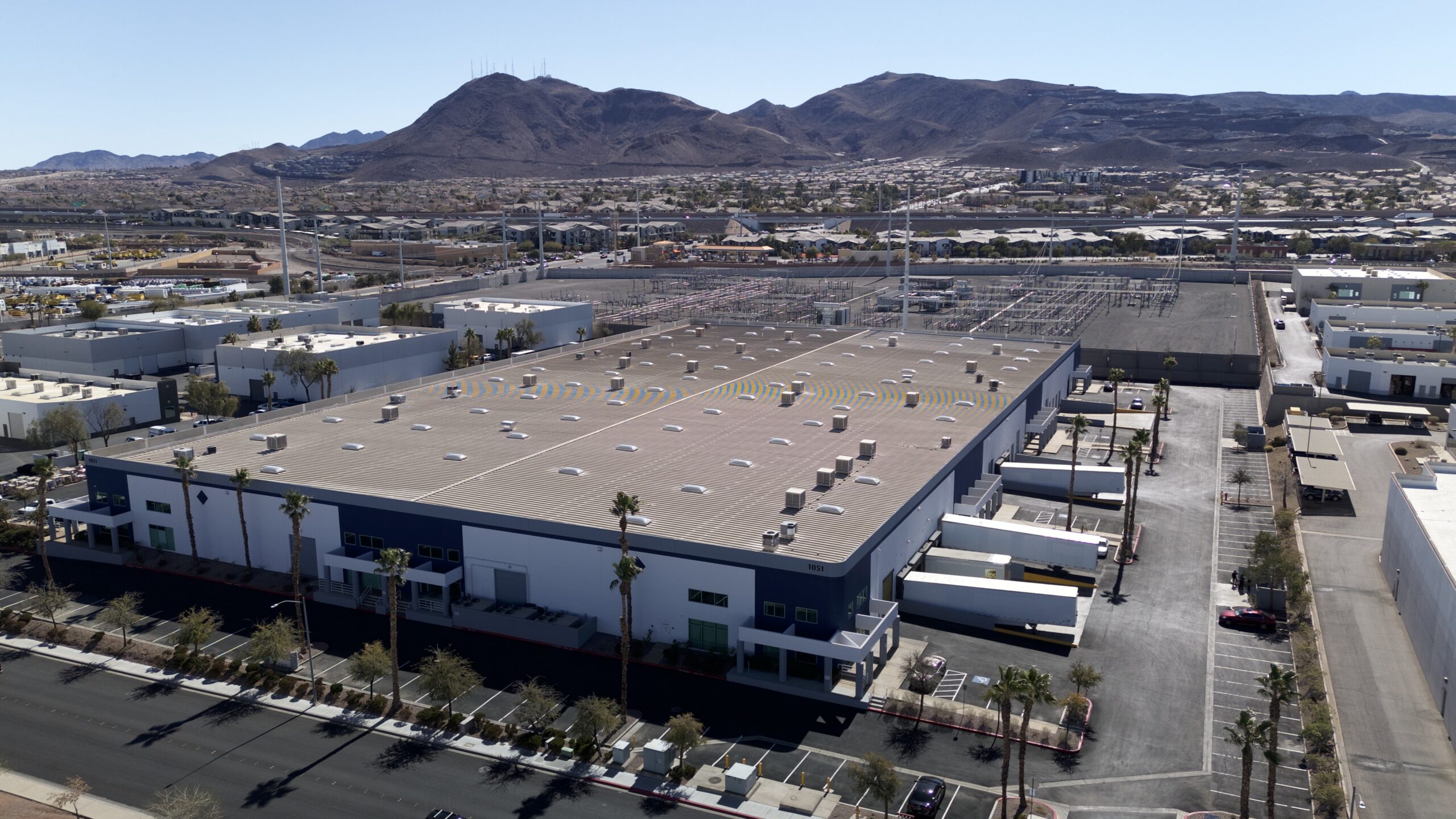
Warehouse location plays a critical role in shipping speed and cost efficiency. Facilities positioned in major logistics hubs—such as Las Vegas and Orlando—enable:
- Reduced shipping zones
- Faster transit times
- Lower transportation costs
- Improved delivery performance
This geographic advantage becomes increasingly important as order volume grows.
Integrated Sourcing and Supply Chain Alignment
Beyond fulfillment, supply chain alignment is essential for long-term scalability. Coordinating production timelines, import strategies, and inventory planning helps reduce friction across the entire operation.
Leveraging sourcing services can further enhance efficiency by aligning upstream and downstream logistics processes.
Supporting Multi-Channel Fulfillment at Scale
Modern commerce is inherently multi-channel. Brands are expected to deliver consistent experiences across all platforms, which requires synchronized systems and processes.
A scalable 3PL ensures:
- Inventory synchronization across all sales channels
- Consistent order processing workflows
- Centralized data visibility
- Reduced risk of overselling or stock discrepancies
When systems fall out of sync, operational costs increase and margins shrink. Maintaining alignment is critical for profitability.
Key Questions High-Growth Brands Are Asking
How do I know if my 3PL is failing?
Common indicators include:
- Frequent shipping delays
- Inventory discrepancies
- Increased customer complaints
- Ongoing operational “firefighting”
If these issues are recurring, the current fulfillment model is likely not scalable.
When should I switch 3PL providers?
The right time to transition is when your provider consistently creates friction instead of solving problems. Delaying this decision often leads to higher costs and missed growth opportunities.
Can the right 3PL accelerate growth?
Yes. A scalable 3PL removes operational bottlenecks, improves efficiency, and enables brands to focus on sales, marketing, and product development.
Why Scalable 3PL Solutions Matter in the U.S. Market
For brands operating in the United States, logistics expectations are particularly high. Customers demand fast, reliable delivery, while retailers enforce strict compliance standards.
A scalable 3PL for high-growth brands provides:
- Faster nationwide shipping
- Improved customer satisfaction
- Reduced operational risk
- Greater supply chain visibility
- Long-term cost efficiency
These advantages are essential for competing in today’s market.
Final Thoughts: Growth Should Not Break Your Operations
Scaling a business should create momentum—not operational chaos.
If your fulfillment operation is slowing down orders, creating inventory issues, or increasing costs, it is a clear signal that your current infrastructure is no longer sufficient.
The solution is not temporary fixes. It is building a logistics foundation designed for growth.
By partnering with a provider that offers advanced systems, strategic locations, and scalable operations, brands can regain control, reduce risk, and position themselves for sustainable expansion.
For companies experiencing fulfillment bottlenecks, now is the time to evaluate whether your logistics partner is enabling growth—or holding it back.