Walk into most warehouses and you’ll hear a familiar claim: operations are running smoothly and efficiently. But under real pressure—peak season surges, product launches, or tight retail deadlines—cracks begin to appear. Slower pick times, inventory errors, near misses, and operational bottlenecks quickly surface.
This is where warehouse safety for fulfillment efficiency becomes more than a compliance issue. It becomes a performance driver.
For companies operating in high-volume logistics markets like Orlando, Las Vegas, and other major U.S. distribution hubs, safety directly impacts speed, accuracy, and scalability. When safety protocols break down, fulfillment performance follows.
Why Warehouse Safety Directly Impacts Fulfillment Performance
Warehouse safety is often framed around injury prevention, but in modern third-party logistics (3PL) environments, it plays a critical role in operational efficiency.
A well-structured safety strategy supports:
- Faster and more accurate order picking
- Reduced downtime and disruptions
- Improved workforce productivity
- Better inventory control and visibility
When safety is embedded into workflow design, fulfillment operations become more predictable and scalable. This is especially important for businesses leveraging a professional fulfillment center to handle growing order volumes.
The Most Common Warehouse Safety Missteps That Slow Down Fulfillment
Even experienced operators can overlook foundational issues that quietly reduce efficiency. Below are the most common missteps that impact both safety and fulfillment speed.
1. Poor Warehouse Layout and Flow Design
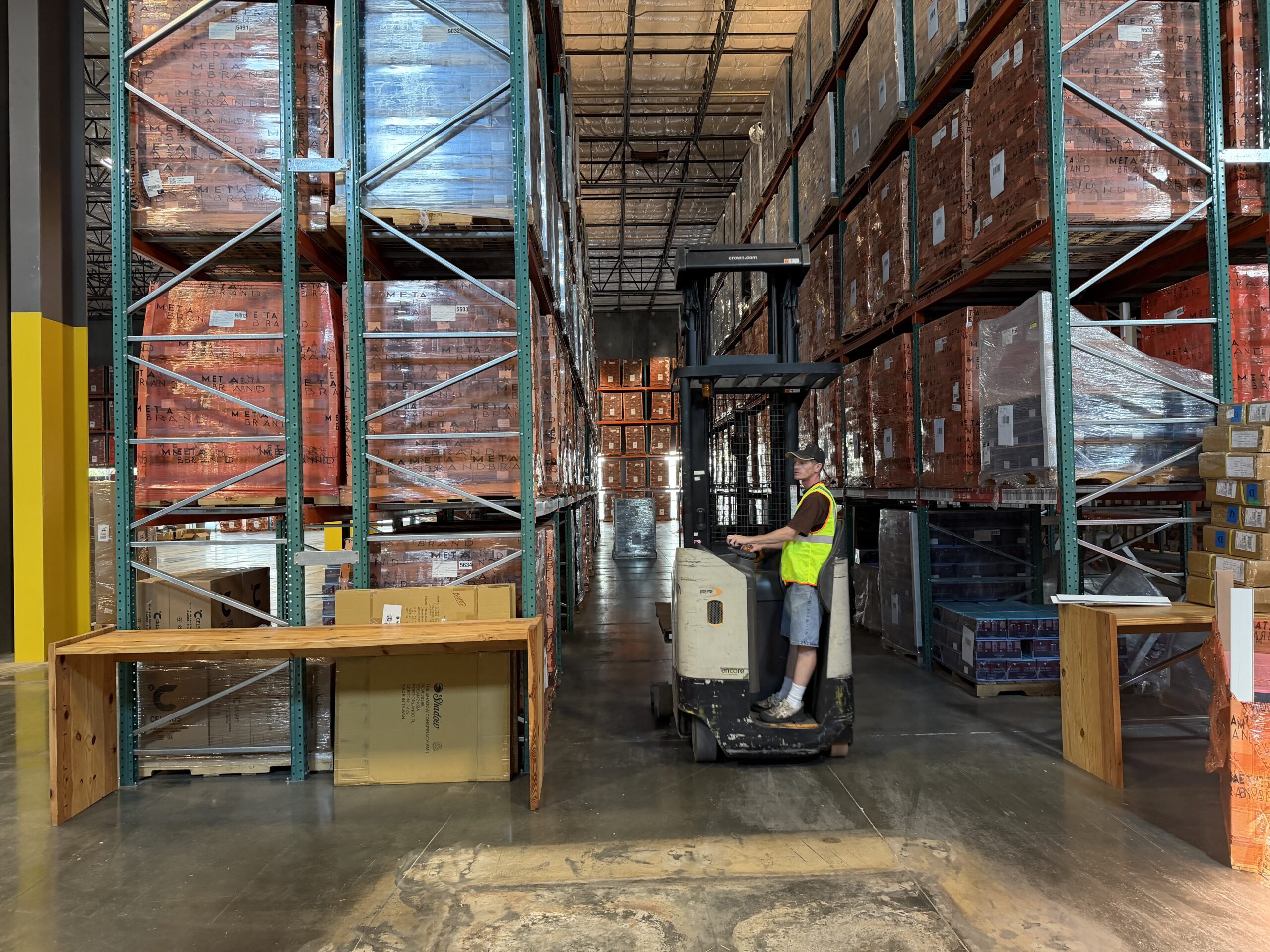
An inefficient warehouse layout creates congestion, unnecessary travel time, and increased risk of accidents. When pickers, forklifts, and packers compete for space, productivity drops.
Optimized layouts prioritize:
- Logical product placement based on demand
- Clear traffic pathways
- Separation of high-activity zones
High-performing 3PL providers design layouts that support both safety and throughput, ensuring that fulfillment workflows remain uninterrupted.
2. Inconsistent Safety Protocols
When safety procedures vary across teams or shifts, confusion sets in. Workers hesitate, double-check processes, or take unnecessary risks to maintain speed.
Standardized protocols ensure:
- Consistent execution across all operations
- Faster onboarding and training
- Reduced errors and incidents
This level of consistency is critical in services like kitting, where precision and repeatability are essential for assembling products correctly and efficiently.
3. Disorganized Inventory Management
Inventory disorganization is one of the fastest ways to compromise both safety and fulfillment efficiency. Misplaced or poorly labeled products lead to delays, incorrect shipments, and unnecessary movement within the warehouse.
Effective inventory systems focus on:
- Clear labeling and categorization
- Strategic slotting based on velocity
- Real-time tracking capabilities
For businesses that rely on upstream procurement, integrating organized inventory practices with reliable sourcing ensures a smoother flow of goods from supplier to customer.
4. Lack of Real-Time Visibility
Without real-time data, warehouse teams are forced to pause, verify, and troubleshoot. This hesitation slows fulfillment and increases the likelihood of mistakes.
Modern fulfillment operations use technology to provide:
- Real-time inventory updates
- Order tracking and status visibility
- Performance monitoring dashboards
This visibility allows teams to act confidently and maintain momentum, even during peak demand periods.
5. Rushed or Inadequate Training
Training is often compressed to meet immediate labor demands, especially during seasonal spikes. However, undertrained employees are more likely to make mistakes, work inefficiently, or contribute to safety risks.
Continuous training programs help:
- Reinforce best practices
- Improve speed and accuracy
- Reduce workplace incidents
In high-volume environments like a fulfillment center, ongoing education is essential to maintaining both safety and operational performance.
6. Ignoring Small Operational Issues
Minor inefficiencies—such as cluttered aisles, unclear signage, or outdated processes—may seem insignificant but can compound over time. These small issues often lead to larger disruptions, including delays and safety incidents.
Proactive management includes:
- Regular audits and inspections
- Immediate correction of hazards
- Continuous process improvement
Addressing these issues early prevents costly slowdowns later.
What High-Performance 3PLs Do Differently
Leading third-party logistics providers understand that warehouse safety for fulfillment efficiency is not a reactive measure—it is a strategic advantage.
Top-performing 3PLs implement:
Optimized Warehouse Design
Layouts are engineered for flow, minimizing congestion and maximizing productivity.
Standardized Processes
Clear, repeatable workflows reduce confusion and ensure consistent performance across all operations, including specialized services like kitting.
Advanced Technology Integration
Real-time systems provide visibility into inventory, orders, and performance metrics, enabling faster decision-making.
Continuous Training Programs
Employees are regularly trained and retrained to maintain high standards of safety and efficiency.
Proactive Issue Resolution
Rather than reacting to problems, high-performance providers identify and resolve potential bottlenecks before they impact operations.
The Role of Warehouse Safety in Scalable Growth
As businesses grow, fulfillment complexity increases. More SKUs, higher order volumes, and expanded distribution networks all introduce new risks.
Without a strong safety foundation, scaling operations can lead to:
- Increased error rates
- Slower fulfillment times
- Higher operational costs
By contrast, companies that prioritize safety can scale more effectively. Partnering with an experienced fulfillment center ensures that systems, processes, and infrastructure are built to handle growth without compromising performance.
How TCB Global Supports Safe and Efficient Fulfillment
TCB Global integrates safety and operational excellence into every aspect of its logistics solutions. By combining optimized warehouse design, standardized workflows, and advanced technology, TCB helps businesses achieve faster, more accurate fulfillment.
Their services—including sourcing, kitting, and comprehensive fulfillment—are designed to work together seamlessly. This integrated approach reduces friction across the supply chain and improves overall efficiency.
Final Thoughts: Fix the System, Not Just the Symptoms
If your fulfillment operation feels slower than it should, the issue is rarely just labor or demand. More often, it stems from underlying safety and process inefficiencies.
Improving warehouse safety for fulfillment efficiency is about building a system that supports speed, accuracy, and scalability from the ground up.
By addressing layout, processes, training, and technology—and by partnering with a proven fulfillment center—businesses can eliminate bottlenecks, reduce risk, and create a more resilient supply chain.
In today’s competitive logistics environment, safety is not just protection. It is performance.