Scaling a Beverage Brand Often Exposes Hidden Logistics Problems
For most beverage brands, growth is the ultimate goal. Increased demand, new retail partnerships, and expanding geographic reach all signal success. However, scaling a beverage business introduces a level of operational complexity that many companies underestimate—particularly in beverage distribution logistics.
Processes that worked during early growth stages often begin to break down once a brand expands across multiple states, retailers, and sales channels. What once felt manageable quickly becomes difficult to control as order volume increases and operational expectations rise.
At smaller volumes, brands can tolerate occasional shipping delays, manual inventory tracking, or loosely structured fulfillment processes. But once distribution expands nationally, those same inefficiencies become costly operational risks.
Common scaling challenges include:
- Overselling inventory across multiple channels
- Stockouts caused by inaccurate inventory data
- Increased product damage during transit
- Retail compliance failures and chargebacks
- Rising freight costs due to inefficient shipping strategies
Without the right logistics infrastructure, these issues can quickly erode margins, disrupt retailer relationships, and damage customer satisfaction.
The transition from regional success to national distribution is often where beverage companies encounter their most significant operational obstacles. Demand frequently increases faster than infrastructure can support. Retail partners enforce stricter compliance standards. At the same time, direct-to-consumer (DTC) sales continue growing alongside wholesale and retail distribution.
This is why many brands begin searching for an experienced beverage distribution logistics partner capable of supporting sustainable growth.
Companies researching solutions such as the best 3PL in Orlando or best 3PL in Las Vegas are rarely just looking for warehouse space. Instead, they are seeking a scalable logistics partner capable of preventing costly distribution mistakes while supporting long-term growth.
Scaling successfully requires more than strong demand and a great product. It requires a logistics strategy designed specifically for beverage distribution at scale.
A National Logistics Infrastructure Designed for Beverage Distribution
Effective beverage distribution logistics depends heavily on geographic strategy. Strategic warehouse placement allows brands to reach customers faster while controlling transportation costs.
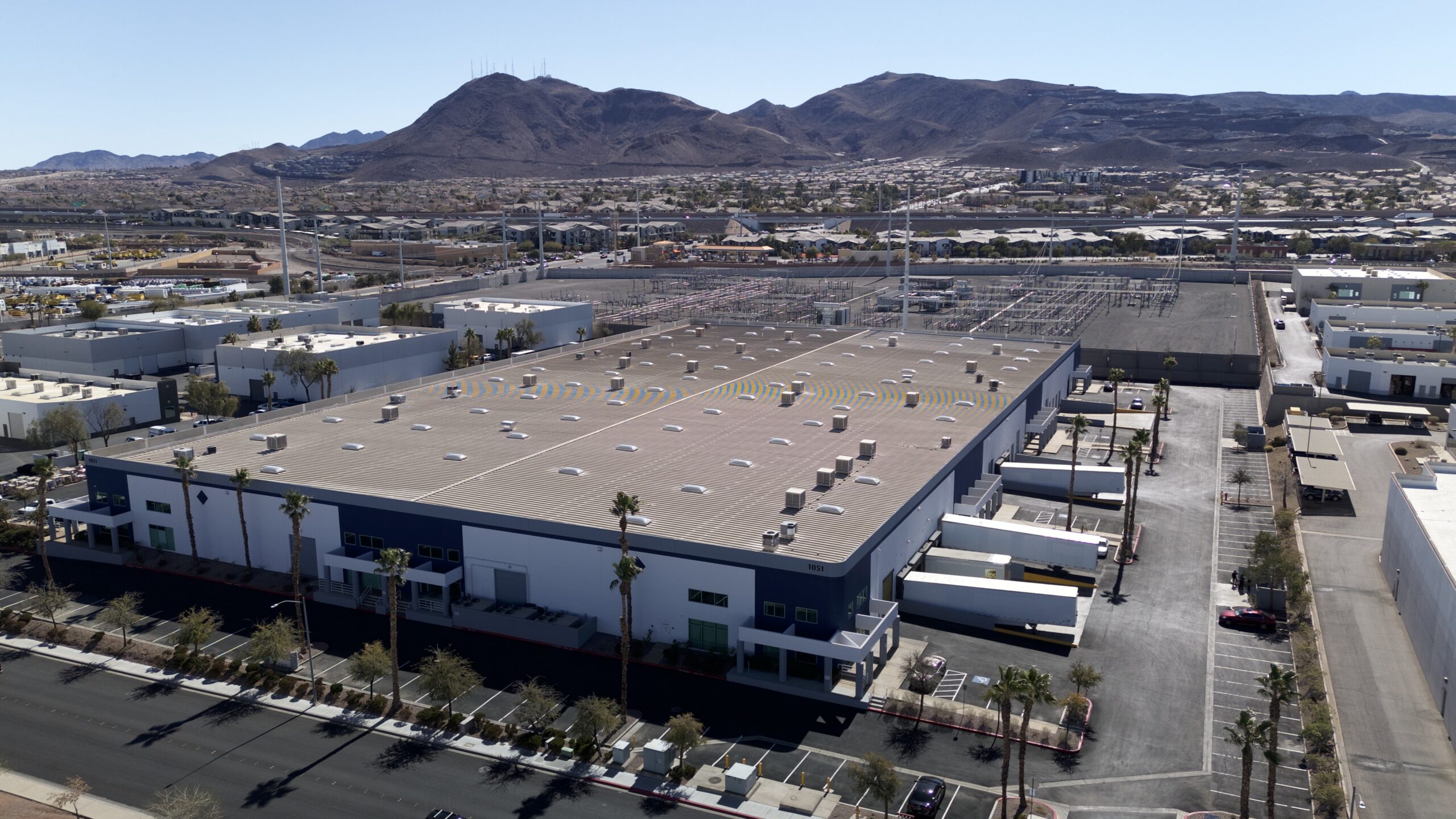
TCB Global operates as a national third-party logistics (3PL) provider with warehouse facilities in Orlando, Florida and Las Vegas, Nevada. This dual-location infrastructure allows beverage brands to create a coordinated national fulfillment strategy while maintaining operational visibility across regions.
The Orlando facility supports efficient distribution throughout the Southeast and East Coast markets, while the Las Vegas location provides strong coverage across western and central regions of the United States.
By positioning inventory strategically across both locations, beverage brands can:
- Reduce shipping transit times
- Lower transportation costs
- Maintain consistent product availability nationwide
- Improve delivery reliability
- Reduce operational strain on a single facility
Relying on one warehouse to serve national markets often leads to long transit times, higher shipping costs, and increased product damage risk. A multi-location logistics strategy helps beverage companies scale distribution more efficiently while maintaining service consistency.
Beyond warehouse placement, scalable beverage distribution logistics requires systems and workflows designed to support growth.
TCB Global’s infrastructure includes:
- Real-time inventory visibility
- Structured fulfillment workflows
- Retail compliance management
- Multi-channel order integration
- Operational reporting and analytics
Together, these capabilities create a logistics foundation that prevents many of the operational breakdowns beverage brands experience during rapid expansion.
Questions Beverage Brands Ask When Logistics Starts Breaking Down
As beverage companies scale, leadership teams often begin asking operational questions that reveal deeper logistics challenges.
These questions frequently include:
- Why are our shipping costs increasing so quickly?
- Why are we experiencing stockouts despite strong production?
- Why are retailers issuing compliance chargebacks?
- Can our current warehouse support national distribution?
- Are we overselling inventory across multiple channels?
- When should we transition to a larger 3PL provider?
In many cases, these concerns stem from infrastructure that was never designed to support rapid growth.
For example, some brands rely on spreadsheets or disconnected inventory systems that cannot accurately track stock levels across multiple channels. As order volume increases, these systems create discrepancies between reported inventory and actual availability.
Packaging is another common issue. Packaging designed for local delivery may not withstand national shipping networks, where products experience multiple handling points and longer transit times.
Without proactive logistics improvements, these operational gaps can compound quickly.
Working with a specialized beverage distribution logistics partner allows brands to identify these challenges early and implement scalable systems before they disrupt growth.
Why Beverage Brands Choose TCB Global for Distribution Logistics
Beverage brands select TCB Global because its fulfillment model is specifically designed to support scaling operations within the beverage industry.
The goal is not simply to store and ship products—it is to prevent the distribution mistakes that frequently occur during rapid growth.
A key component of this approach is real-time inventory management. TCB Global’s systems provide accurate visibility across warehouse locations, helping brands maintain reliable stock levels while preventing overselling.
Structured fulfillment workflows further support operational consistency. Orders move through standardized processing steps designed to reduce errors and maintain accuracy as order volume increases.
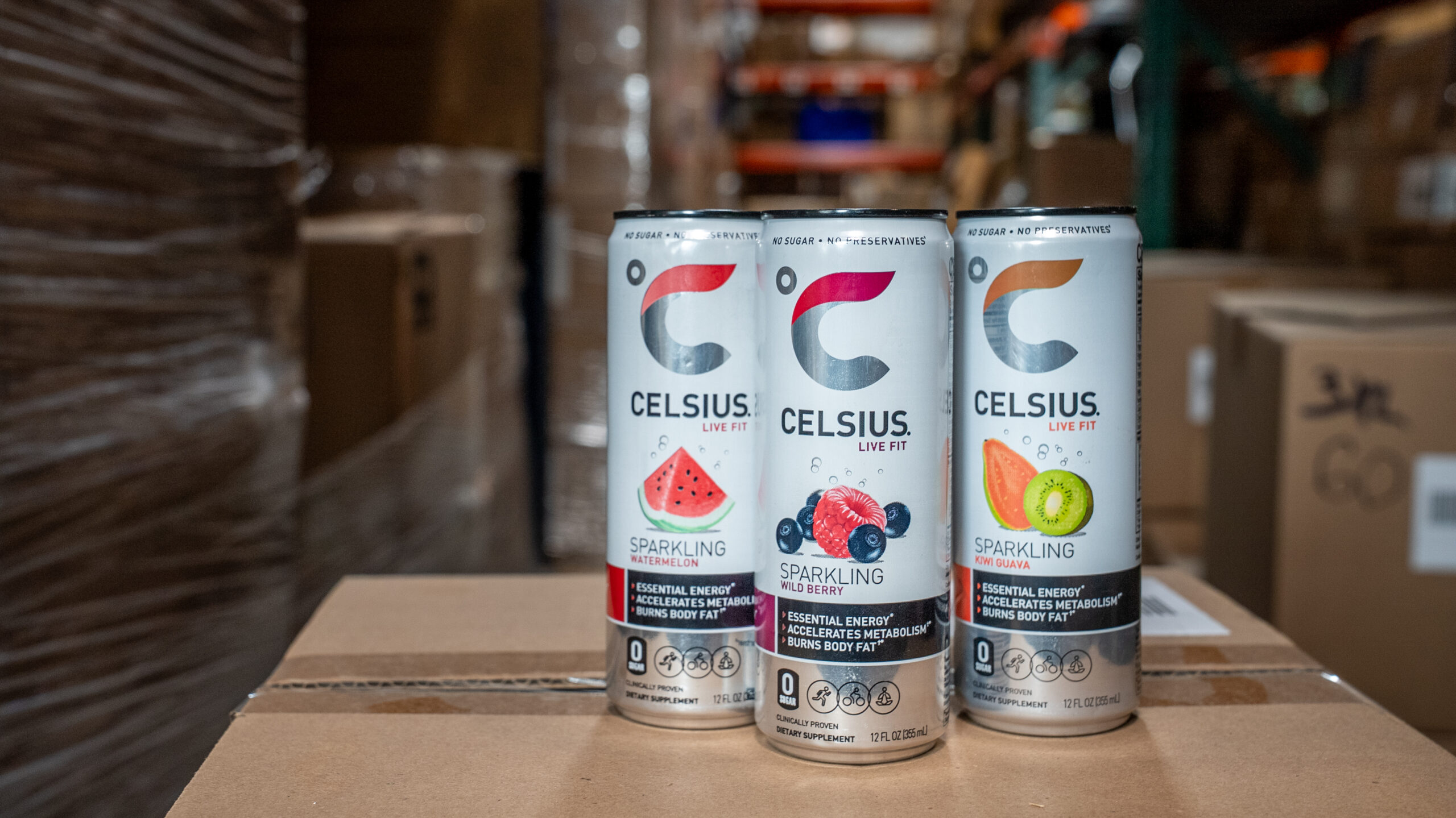
Handling fragile liquid products also requires specialized procedures. Beverage shipments must be packed and stabilized carefully to withstand transportation conditions across national carrier networks. Defined packing protocols help reduce damage rates and replacement costs.
Retail compliance is another critical component of beverage distribution logistics. Large retailers enforce strict requirements for labeling, pallet configuration, routing guides, and delivery timing. Failure to meet these standards can result in costly chargebacks.
TCB Global helps brands prepare retail shipments according to compliance requirements, helping companies maintain strong retailer relationships while protecting margins.
Transparency also plays a major role in the partnership. Brands receive access to reporting tools and operational insights that support:
- Demand forecasting
- Production planning
- Inventory allocation
- Strategic decision-making
For growing beverage companies, this level of operational visibility is essential for maintaining control as distribution expands.
Supporting Multi-Channel Beverage Fulfillment
Modern beverage brands rarely operate through a single distribution channel.
Instead, many companies simultaneously manage:
- Direct-to-consumer ecommerce orders
- Retail store distribution
- Wholesale accounts
- Subscription shipments
- Marketplace sales
Each channel places different demands on inventory allocation and order processing.
Without a unified fulfillment system, these channels can compete for the same inventory. Retail orders may pull stock needed for ecommerce promotions. Subscription shipments may be delayed due to poor allocation planning.
TCB Global supports multi-channel beverage fulfillment by centralizing inventory management within a single integrated system.
This coordinated approach ensures:
- Real-time inventory tracking across channels
- Accurate allocation of stock
- Reduced risk of overselling
- Consistent order fulfillment workflows
As a result, beverage brands can expand distribution across multiple sales channels without sacrificing operational stability.
The Most Common Beverage Distribution Mistakes During Rapid Growth
Many beverage companies experience similar operational problems when scaling distribution.
One of the most frequent issues is relying on inventory systems that cannot support growth. Manual tracking or disconnected platforms often lead to inaccurate inventory counts, which can result in overselling and fulfillment delays.
Another common mistake is operating from a single warehouse location while attempting national distribution. This approach increases freight costs and shipping times while placing additional strain on packaging and product integrity.
Packaging designed for short-distance delivery can also become problematic during national expansion. Beverage shipments encounter more handling steps during long-distance transportation, increasing the risk of damage if packaging is not optimized.
Retail compliance is another area where growing brands often encounter difficulties. National retailers maintain strict logistics requirements. Failure to meet these standards can lead to chargebacks that significantly impact profit margins.
Finally, many brands delay partnering with a scalable 3PL provider until operational challenges become severe. Waiting too long can lead to unnecessary disruptions and rising logistics costs.
Partnering with an experienced beverage logistics provider earlier in the growth process allows companies to build infrastructure capable of supporting expansion from the start.
Choosing a 3PL That Supports Beverage Brand Growth
Successful scaling requires more than warehouse space. Beverage brands need a logistics partner capable of evolving alongside their growth.
A scalable 3PL should provide:
- Real-time inventory visibility
- Multi-channel fulfillment capabilities
- Retail compliance expertise
- Strategic warehouse placement
- Structured operational workflows
TCB Global’s warehouse locations in Orlando and Las Vegas provide beverage companies with the infrastructure necessary to support national distribution while maintaining operational control.
Brands searching for the best 3PL in Orlando or best 3PL in Las Vegas are often preparing for rapid growth or working to stabilize operations after expansion has exposed logistics challenges.
Working with a 3PL experienced in beverage distribution logistics ensures that growth strengthens operations rather than destabilizing them.
Ready to Scale Beverage Distribution Without Costly Logistics Mistakes?
Scaling a beverage brand is an exciting milestone, but it also introduces new operational demands. Without the right logistics infrastructure, rapid growth can expose weaknesses that impact profitability, retailer relationships, and customer satisfaction.
TCB Global helps beverage companies build scalable distribution systems capable of supporting national expansion, fragile product handling, and multi-channel fulfillment.
If your brand is preparing to scale—or addressing logistics challenges created by rapid growth—the right partner can make the difference between operational strain and sustainable success.
Learn how TCB Global supports beverage brands with specialized distribution infrastructure:
https://tcb3pl.com/services/beverage-distribution-logistics/
A strategic logistics partner helps ensure your beverage brand grows with confidence, efficiency, and operational control.