The strongest brands don’t wait for problems to surface in January. They use this transition period to assess fulfillment performance, tighten inventory strategy, and solidify third-party logistics (3PL) partnerships that can support growth, speed, and margin protection.
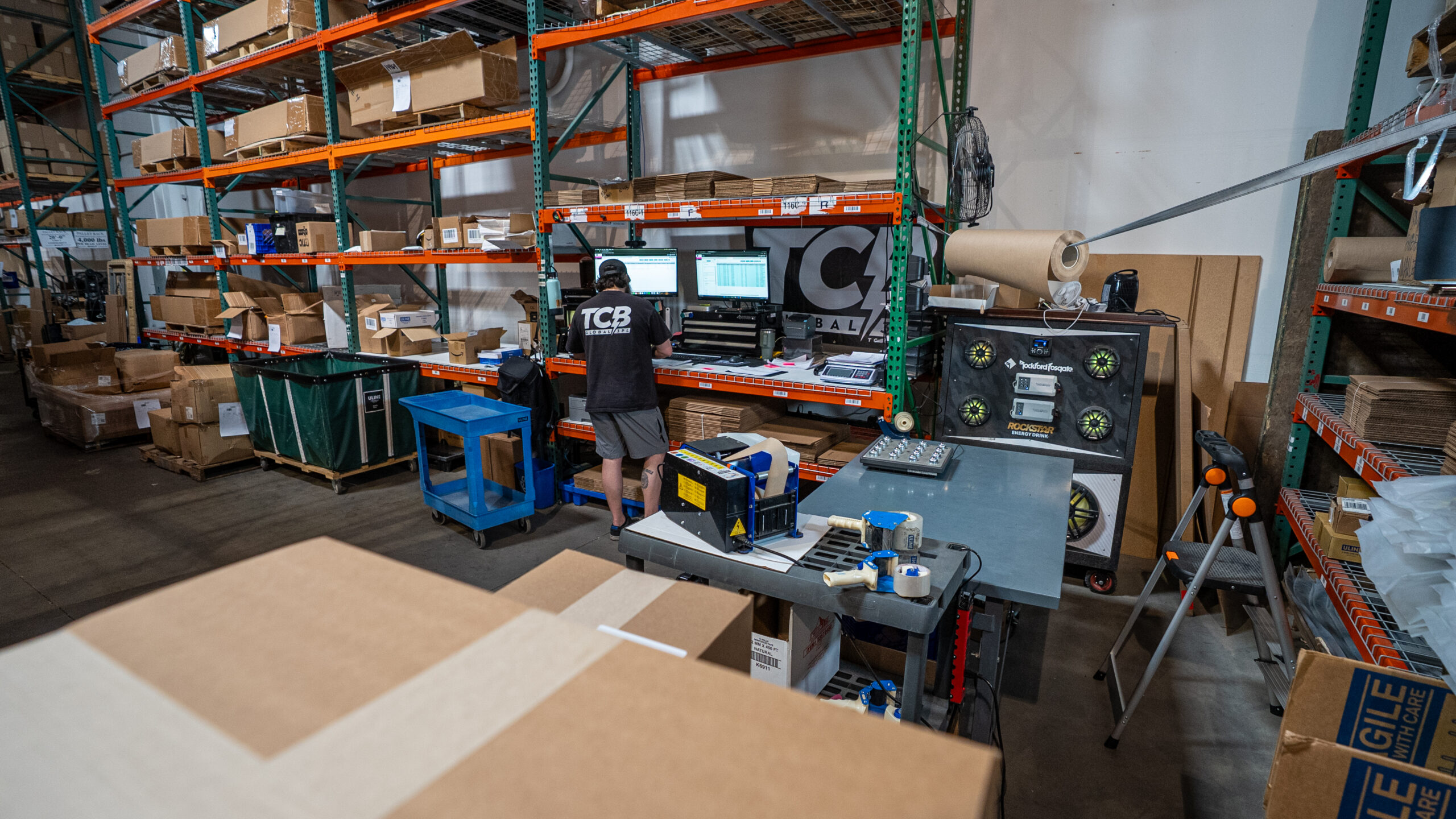
At TCB Global, we work with brands across e-commerce, beverage, healthcare, and complex distribution environments. One thing is consistent: companies that enter the new year with a clear logistics foundation outperform those that react after demand resumes.
This article outlines how brands can use the end of the year to prepare for 2026, what logistics readiness really means, and how the right 3PL partner sets the stage for scalable growth.
What Logistics Readiness Really Means for 2026
Logistics readiness goes far beyond having warehouse space and shipping accounts. It means your entire fulfillment operation is aligned with your growth goals, customer expectations, and cost structure.
Brands preparing for 2026 should have clarity around:
- Inventory positioning and turnover
- Fulfillment capacity and throughput
- Carrier performance and delivery speed
- Technology visibility and reporting
- Risk mitigation and contingency planning
If any of these areas feel uncertain, that uncertainty will show up quickly once order volume increases.
Why the End of the Year Is a Critical Planning Window
The final weeks of the year offer a rare opportunity. Peak volume data is fresh, teams have visibility into what worked and what didn’t, and there’s space to make changes before the next demand cycle begins.
Waiting until Q1 often leads to rushed onboarding, limited warehouse availability, and higher costs. Planning before the new year allows brands to:
- Lock in warehouse capacity early
- Improve fulfillment workflows before volume spikes
- Optimize shipping zones and carrier mix
- Implement system upgrades without disruption
This proactive approach creates momentum instead of friction heading into 2026.
Key Areas Brands Should Evaluate Before January
Warehouse Strategy
Single-location fulfillment often becomes a bottleneck as brands grow. Evaluating whether inventory should be distributed across multiple regions—such as the Southeast and West Coast—can dramatically improve delivery speed and cost control.
Inventory Management
Excess inventory ties up capital, while understocking leads to missed revenue. Brands should assess demand forecasting accuracy, safety stock levels, and inventory aging to start the year lean and efficient.
Technology & Data Visibility
Modern logistics depends on real-time insights. Brands entering 2026 need clear visibility into inventory levels, order status, and carrier performance to make informed decisions quickly.
Scalability & Flexibility
Growth rarely follows a straight line. A reliable 3PL partner must be able to scale labor, space, and services up or down without disrupting operations.
How the Right 3PL Partner Sets the Foundation
A strategic 3PL partner acts as an extension of your operations team—not just a vendor. The right partner brings structure, systems, and expertise that elevate fulfillment performance.
TCB Global helps brands build logistics foundations designed for growth by offering:
- Multi-warehouse fulfillment capabilities
- Advanced inventory and order management systems
- Custom solutions for specialized industries
- Nationwide distribution support
This foundation allows brands to focus on sales, marketing, and expansion while logistics runs efficiently in the background.
The Role of Geography in Fulfillment Readiness
Warehouse location directly affects shipping speed, cost, and reliability. Strategic hubs like Orlando and Las Vegas provide access to major population centers and transportation networks.
A geographically diversified fulfillment strategy reduces risk, improves delivery times, and positions brands to meet rising customer expectations in 2026 and beyond.
Entering 2026 with Confidence
Brands that start the year with a clear logistics strategy move faster and make better decisions. They know where inventory belongs, which partners they can rely on, and how their fulfillment operation will scale.
Logistics readiness isn’t about reacting to challenges—it’s about building a foundation that supports growth before those challenges arrive.
Frequently Asked Questions
What does logistics readiness mean for a new year?
It means having inventory, systems, partners, and capacity aligned to support growth and demand from day one.
Is the end of the year too late to plan logistics changes?
No. It’s an ideal time to evaluate performance and make improvements before Q1 demand ramps up.
Why is choosing the right 3PL important before January?
Early alignment prevents rushed decisions, higher costs, and operational disruptions.
How does warehouse location affect fulfillment performance?
Strategic locations reduce transit times, shipping costs, and delivery risk.
What types of brands benefit most from early logistics planning?
E-commerce, beverage, healthcare, retail, and high-growth brands see the biggest impact.