The logistics industry is evolving rapidly, and so are the expectations businesses place on their third-party logistics (3PL) providers. A decade ago, a “good” 3PL was one that stored inventory, shipped orders accurately, and offered competitive pricing. Today, those capabilities are simply the baseline.
As we move into 2026, the definition of a high-performance 3PL has fundamentally changed.
Growing businesses now need logistics partners that do far more than execute warehouse tasks. They need providers that improve operational efficiency, support multi-channel growth, optimize inventory placement, and provide the visibility needed to make smarter business decisions.
At TCB Global, we work with companies throughout Orlando, Las Vegas, and across the United States that have reached this realization. Many didn’t choose a poor logistics partner—they chose one that couldn’t support where their business was headed.
That’s the question every growing brand should be asking:
Is your current 3PL built for the future of your business, or only for where you are today?
Why the Standard for a High-Performance 3PL Has Changed
Customer expectations continue to rise.
Consumers expect faster deliveries, greater order accuracy, real-time tracking, and seamless purchasing experiences regardless of where they shop.
Meanwhile, businesses are managing increasingly complex operations that include:
- Direct-to-consumer fulfillment
- Amazon and marketplace sales
- Retail distribution
- Wholesale customers
- International sourcing
- Larger SKU catalogs
- Seasonal demand spikes
- Omnichannel inventory management
These realities require logistics providers with sophisticated systems, disciplined warehouse operations, and scalable infrastructure.
Simply shipping boxes is no longer enough.
A true high-performance 3PL helps businesses become more efficient, profitable, and prepared for future growth.
The Problem with the Average 3PL
Many third-party logistics companies still provide the same core services they’ve offered for years:
- Receiving inventory
- Storing products
- Picking and packing orders
- Shipping outbound packages
While these functions remain essential, they do not create competitive advantages.
Execution alone doesn’t help businesses scale.
When a logistics provider functions only as a warehouse, it becomes a cost center instead of a strategic business partner.
As order volumes increase, additional sales channels emerge, and customer expectations rise, businesses often discover that their logistics infrastructure has become the bottleneck.
The best logistics providers don’t simply keep operations running.
They continuously improve them.
What a High-Performance 3PL Actually Looks Like in 2026
The most successful logistics providers share several defining characteristics that separate them from average warehouse operators.
1. Real-Time Visibility Across the Entire Supply Chain
Modern businesses cannot afford to operate without accurate information.
A high-performance 3PL provides complete visibility into:
- Inventory availability
- Order status
- Fulfillment progress
- Shipping timelines
- Warehouse performance
Real-time reporting enables faster decisions, reduces uncertainty, and improves customer communication.
When businesses always know what’s happening inside their supply chain, they spend less time reacting and more time planning.
2. Inventory Accuracy That Supports Growth
Inventory accuracy is not simply a warehouse metric.
It is the foundation of successful fulfillment.
Without reliable inventory data:
- Orders cannot be fulfilled correctly.
- Purchasing decisions become inaccurate.
- Customer satisfaction declines.
- Revenue opportunities are lost.
High-performing logistics providers typically maintain rigorous inventory management practices through:
- Regular cycle counts
- Barcode verification
- Real-time inventory updates
- Standardized warehouse procedures
Reliable inventory creates reliable operations.
3. Multi-Channel Fulfillment Without Operational Complexity
Today’s businesses rarely sell through just one channel.
Many brands simultaneously fulfill orders through:
- Shopify
- Amazon
- Walmart Marketplace
- Wholesale distributors
- Retail partners
- Business-to-business customers
Each sales channel has unique requirements.
A high-performance 3PL manages those differences within one integrated fulfillment system.
Rather than forcing businesses to create separate workflows for every channel, experienced providers simplify operations while maintaining compliance and accuracy.
4. Strategic Inventory Placement
Warehouse location remains one of the most overlooked aspects of logistics strategy.
Inventory stored in the wrong location creates unnecessary shipping costs and slower delivery times.
Strategically positioning inventory closer to customers provides significant advantages:
- Lower transportation costs
- Faster delivery
- Reduced shipping zones
- Improved customer satisfaction
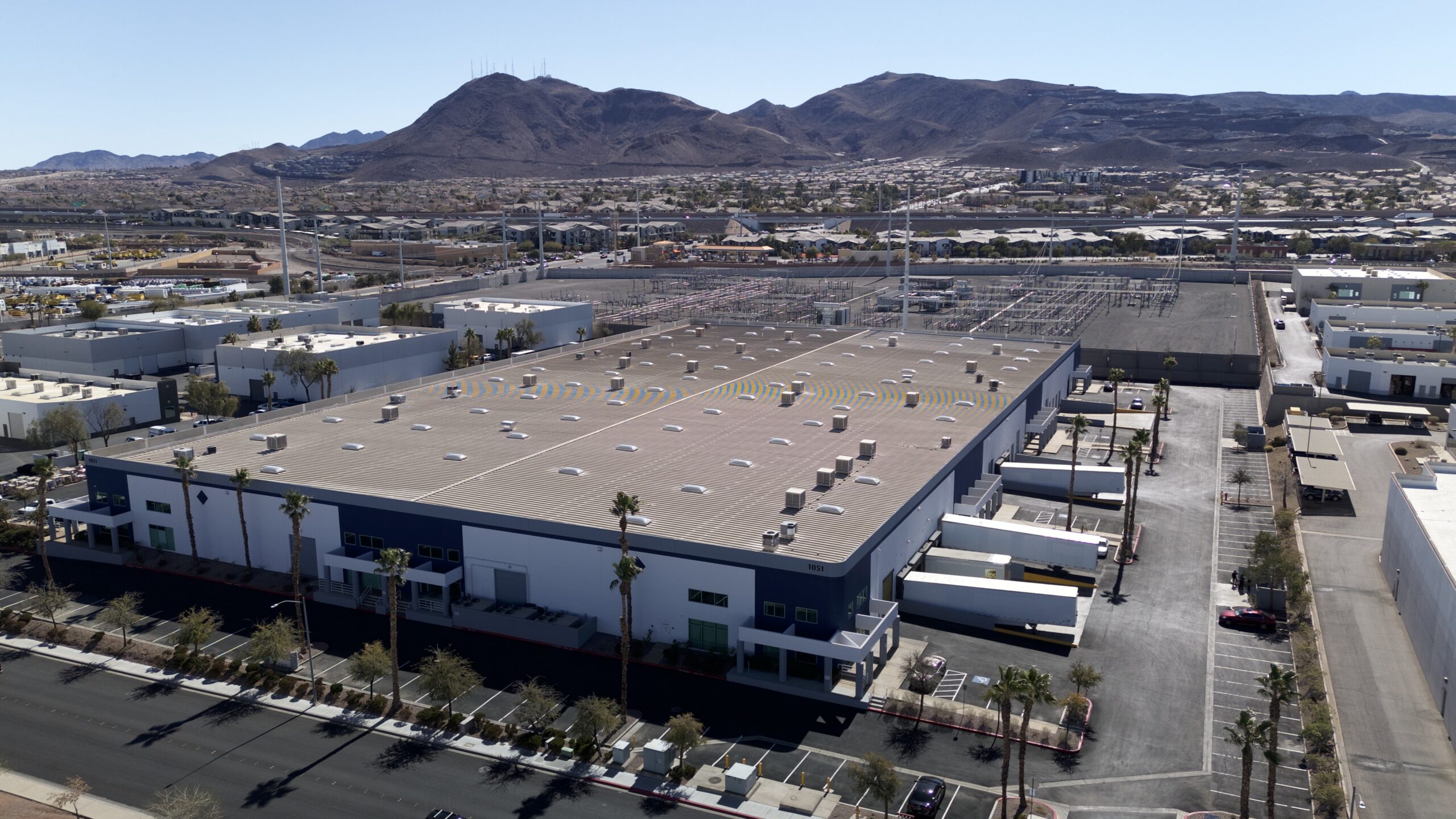
TCB Global’s dual-location distribution model demonstrates this approach.
Its Orlando facility supports East Coast and Southeast distribution, while its Las Vegas operation provides efficient coverage for the West Coast and Mountain regions.
This network allows businesses to reduce transit times while creating a more balanced national distribution strategy.
Technology improves logistics.
Geography still matters.
5. Scalable Systems Instead of Reactive Processes
Growth should not create operational chaos.
Unfortunately, many logistics providers rely heavily on manual processes that become increasingly inefficient as order volumes increase.
A high-performance 3PL builds systems that scale through:
- Standardized workflows
- Capacity planning
- Process documentation
- Automation where appropriate
- Workforce planning
The objective is consistency—not improvisation.
Businesses should never hear their logistics provider say they’ll “figure it out” once volumes increase.
The systems should already be designed for growth.
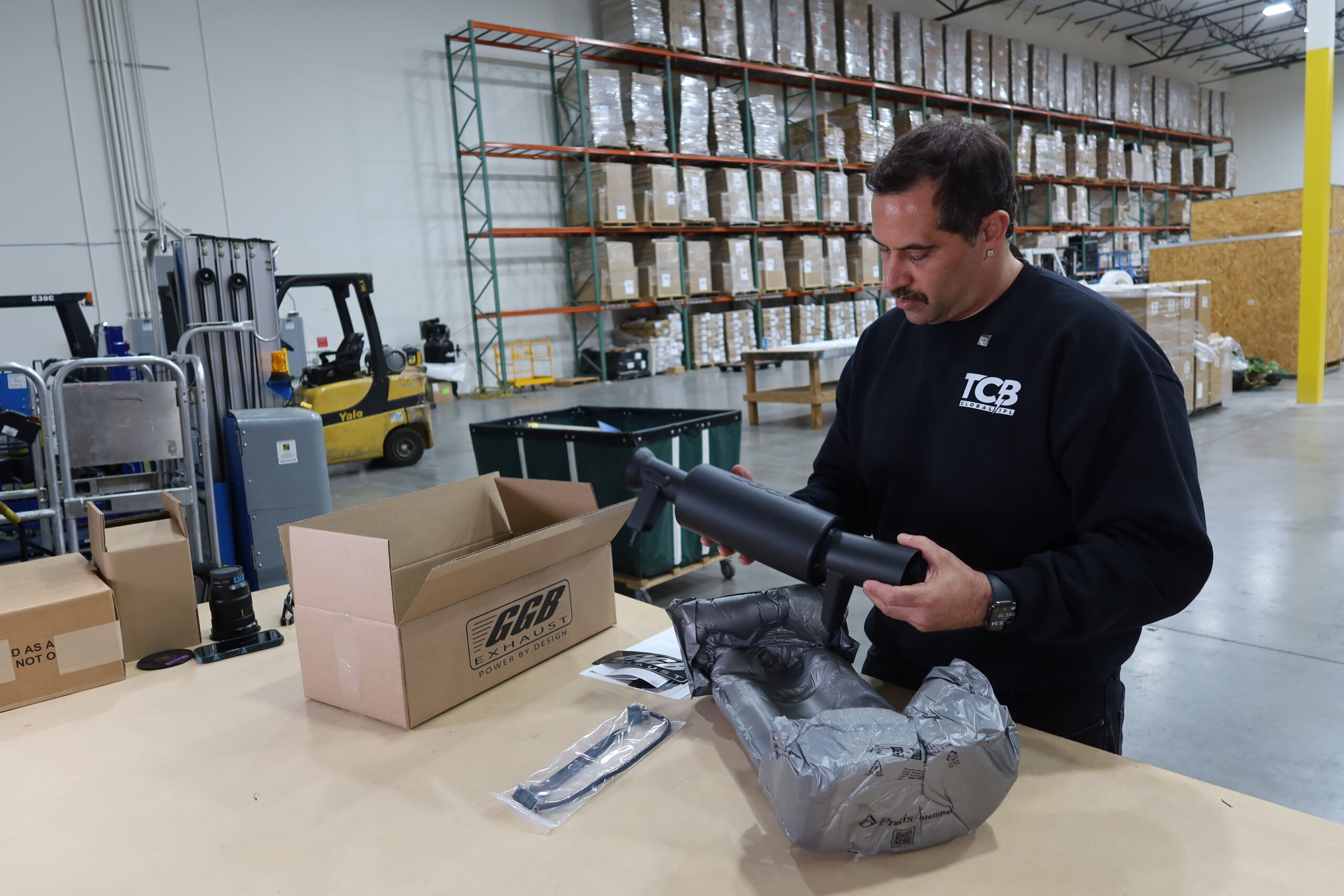
6. Operational Discipline Inside the Warehouse
Speed is valuable.
Accuracy is essential.
Warehouse operations should balance both.
High-performing logistics providers establish disciplined warehouse procedures that improve throughput without increasing errors.
These practices often include:
- Standardized receiving
- Organized inventory locations
- Efficient picking strategies
- Quality control checkpoints
- Consistent packing procedures
Operational discipline reduces costly mistakes while improving customer satisfaction.
7. Data-Driven Logistics Management
A modern 3PL should provide more than operational execution.
It should provide insight.
Data helps businesses answer important questions such as:
- Which products move fastest?
- Where are fulfillment costs increasing?
- Which shipping methods are most efficient?
- How can inventory placement improve delivery times?
- What operational changes reduce expenses?
Regular performance reporting allows businesses to make informed decisions instead of relying on assumptions.
The best logistics partners actively identify opportunities for optimization rather than waiting for problems to occur.
8. A Defined Peak Season Strategy
Peak season exposes weaknesses in every supply chain.
Businesses experience higher order volumes, tighter delivery expectations, and increased operational pressure.
Average providers react to seasonal demand.
A high-performance 3PL prepares for it.
Preparation includes:
- Labor planning
- Capacity forecasting
- Inventory positioning
- Workflow optimization
- Transportation coordination
Advanced planning helps businesses maintain consistent service levels even during the busiest times of the year.
Why Most 3PLs Don’t Meet This Standard
The logistics industry has changed faster than many providers have adapted.
Numerous warehouses still rely on:
- Legacy warehouse management systems
- Manual inventory processes
- Limited reporting capabilities
- Reactive operational planning
- Capacity constraints
These providers often serve smaller businesses effectively during their early growth stages.
However, as companies expand into multiple sales channels and larger customer bases, operational limitations become increasingly apparent.
Growth reveals weaknesses that smaller order volumes often conceal.
That’s when fulfillment delays, inventory discrepancies, and customer service issues begin to appear.
What Happens When You Work with a High-Performance 3PL
Partnering with the right logistics provider transforms more than warehouse operations.
It improves the entire business.
Companies frequently experience:
- More accurate inventory
- Faster fulfillment
- Lower shipping costs
- Better customer experiences
- Increased operational visibility
- Greater scalability
- Improved forecasting
- Reduced internal workload
Perhaps most importantly, leadership teams regain the ability to focus on strategic growth rather than solving fulfillment problems every day.
That’s the difference between simply operating and truly scaling.
Why Orlando and Las Vegas Continue to Provide a Competitive Advantage
While software and automation continue transforming logistics, warehouse location remains one of the most important factors affecting delivery speed and transportation costs.
TCB Global’s strategically located fulfillment centers in Orlando and Las Vegas help businesses:
- Reduce shipping zones
- Reach customers faster
- Improve nationwide inventory coverage
- Balance inventory across regions
- Support scalable distribution strategies
Combining operational excellence with strategic geography allows businesses to improve both customer satisfaction and logistics efficiency.
Frequently Asked Questions
What makes a 3PL high-performance?
A high-performance 3PL combines operational accuracy, real-time visibility, scalable systems, strategic inventory placement, multi-channel fulfillment capabilities, and data-driven decision-making to support business growth.
Why do many 3PLs struggle as businesses grow?
Many providers rely on outdated systems, manual workflows, and reactive operational processes that become increasingly difficult to manage as order volume and complexity increase.
What should businesses look for in a 3PL in 2026?
Businesses should prioritize providers offering real-time reporting, inventory accuracy, scalable infrastructure, multi-location distribution, integrated technology, disciplined warehouse operations, and strategic logistics support.
Does warehouse location still matter?
Absolutely. Strategic warehouse placement reduces shipping costs, shortens delivery times, improves customer satisfaction, and creates a more efficient national distribution network.
How does TCB Global differentiate itself?
TCB Global combines disciplined warehouse operations, scalable fulfillment systems, real-time operational visibility, and strategically located facilities in Orlando and Las Vegas to help businesses improve logistics performance while supporting long-term growth.
Final Thoughts
In 2026, businesses need far more than warehouse space and competitive shipping rates.
They need a high-performance 3PL that understands logistics as a strategic function of the business—not simply an operational necessity.
The right logistics partner provides visibility, consistency, scalability, and continuous improvement.
As customer expectations continue rising and supply chains become more complex, businesses that invest in modern logistics infrastructure will be better positioned to compete, grow, and deliver exceptional customer experiences.
Your 3PL shouldn’t simply help you keep up.
It should help move your business forward.
Ready to Partner with a High-Performance 3PL?
If your current logistics provider feels reactive, inconsistent, or unable to support your company’s growth, those challenges are unlikely to resolve themselves. As your business expands, operational weaknesses often become more costly and more difficult to overcome.
At TCB Global, we build fulfillment and logistics systems designed for where your business is going—not where it started. From strategically located distribution centers in Orlando and Las Vegas to scalable warehouse operations and data-driven logistics management, our team helps businesses create supply chains that support long-term success.
Learn more about TCB Global’s customized business logistics solutions by visiting https://tcb3pl.com/services/business-logistics/. Discover how a true high-performance 3PL can help your business reduce costs, improve fulfillment, and scale with confidence.