When brands start looking for logistics partners, the conversation often begins with cost. Warehousing fees, pick-and-pack pricing, and shipping rates dominate the decision-making process. On paper, choosing cheap 3PL fulfillment services may seem like the smartest financial move.
But in reality, low-cost fulfillment providers often create operational problems that quietly drain revenue, damage customer experience, and slow long-term growth.
For ecommerce brands, Amazon sellers, wholesalers, and retailers, fulfillment is no longer just a backend function. It directly impacts profitability, customer retention, inventory visibility, and scalability. A fulfillment provider that appears inexpensive upfront can become significantly more expensive over time through hidden operational costs.
At TCB Global, we work with growing brands across the United States that need scalable, accurate, and efficient logistics support. From direct-to-consumer shipping to retail distribution and Amazon FBA prep, the goal is not simply reducing fulfillment costs — it is building a supply chain that supports sustainable growth.
Why Cheap 3PL Fulfillment Services Look Attractive at First
The appeal is understandable.
Many low-cost third-party logistics providers advertise:
- Lower storage rates
- Reduced pick-and-pack fees
- Minimal onboarding costs
- Low monthly minimums
- Discounted shipping promises
For startups and scaling ecommerce brands, these offers can feel like an easy way to improve margins quickly.
In the early stages of growth, a cheaper provider may even seem sufficient. Order volume is manageable, inventory complexity is limited, and operational gaps are easier to overlook.
However, once order velocity increases, cracks in the operation begin to appear.
That is when the hidden costs emerge.
Inventory Inaccuracy Creates Revenue Loss
Inventory accuracy is one of the most important components of fulfillment operations.
When inventory counts are inaccurate, brands experience:
- Overselling unavailable products
- Unexpected stockouts
- Delayed replenishment planning
- Lost sales opportunities
- Marketplace penalties
Many cheap 3PL fulfillment services lack sophisticated warehouse management systems, cycle counting procedures, or operational quality controls. As a result, inventory discrepancies become common.
For ecommerce brands selling through Shopify, Amazon, Walmart Marketplace, or retail channels, inaccurate inventory data can quickly disrupt revenue streams.
Reliable fulfillment operations require strong inventory visibility and warehouse accuracy standards to maintain customer trust and operational stability.
Brands looking for scalable warehouse support often benefit from working with experienced providers that offer advanced inventory management and strategically located warehousing infrastructure, such as TCB Global’s nationwide fulfillment solutions through its dedicated fulfillment center services.
Slow Fulfillment Damages Customer Experience
Modern consumers expect fast shipping.
Whether selling direct-to-consumer or through marketplaces, delayed fulfillment impacts customer satisfaction immediately.
Low-cost fulfillment providers frequently reduce operational expenses by limiting labor, automating fewer processes, or operating inefficient warehouse workflows.
This often leads to:
- Delayed order processing
- Missed same-day shipping cutoffs
- Longer transit times
- Increased customer service complaints
- Higher refund requests
For ecommerce businesses, shipping speed directly affects repeat purchases and customer lifetime value.
Consumers increasingly compare every delivery experience to Amazon standards. Slow fulfillment can negatively impact reviews, retention, and brand perception.
Brands that prioritize operational speed and fulfillment consistency are better positioned to compete in crowded ecommerce markets.
Businesses scaling their ecommerce operations often require dependable direct-to-consumer fulfillment services that support fast shipping expectations while maintaining order accuracy.
Cheap Fulfillment Can Actually Increase Shipping Costs
One of the biggest misconceptions in logistics is that lower fulfillment fees automatically reduce total logistics expenses.
In reality, poor warehouse placement and inefficient inventory distribution often increase transportation costs.
If inventory is stored in a single location without strategic positioning, brands may face:
- Higher shipping zones
- Increased parcel carrier fees
- More expedited shipments
- Longer delivery windows
- Elevated dimensional weight charges
For example, a company shipping nationally from only one warehouse may pay substantially more in transportation than a business using strategically positioned fulfillment centers.
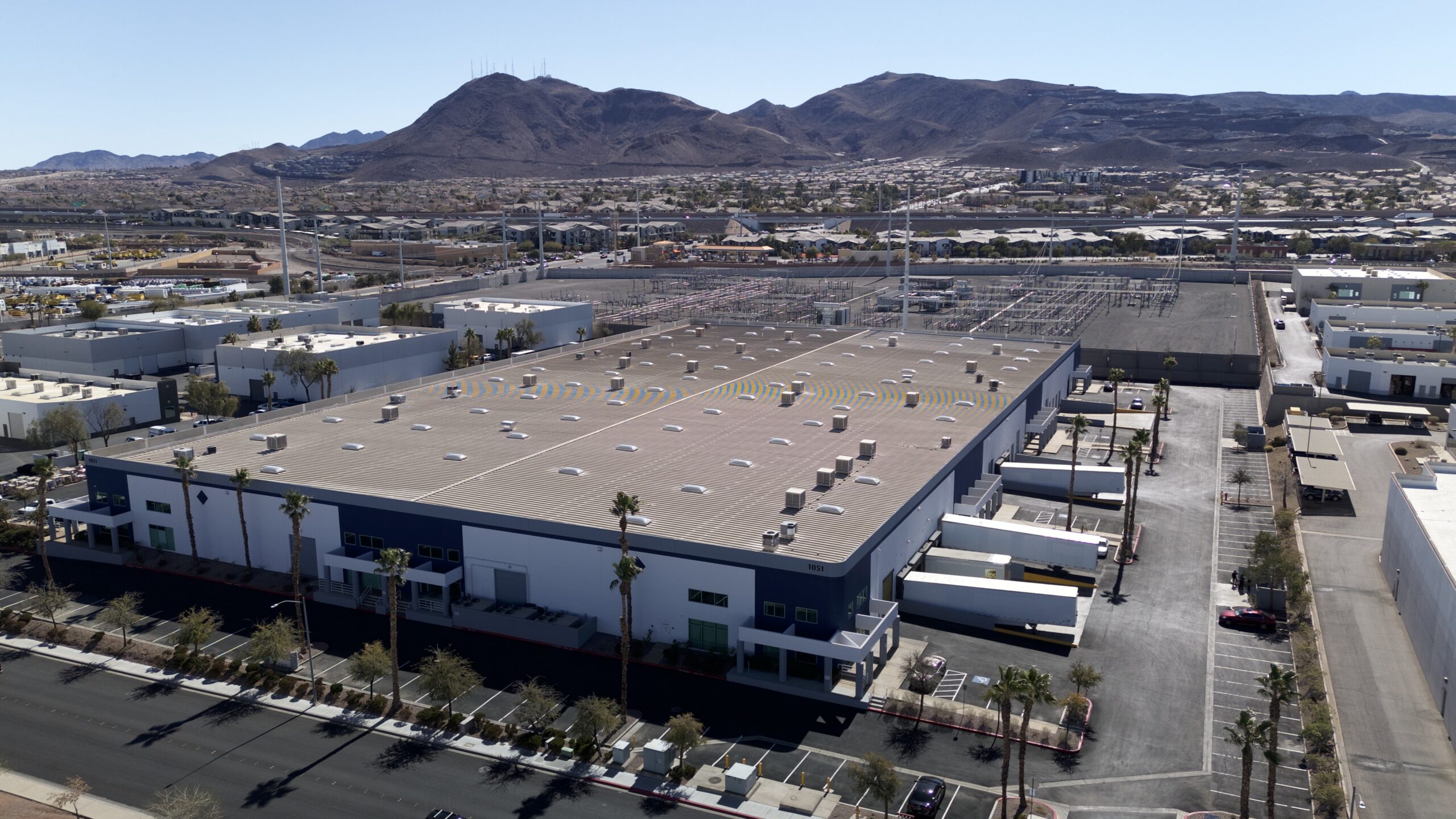
TCB Global operates fulfillment locations in Orlando and Las Vegas to help brands reduce transit times and optimize shipping zones across major U.S. markets.
Strategic warehouse placement is one of the most effective ways to lower overall fulfillment costs while improving delivery performance.
Retail Compliance Errors Lead to Expensive Chargebacks
For brands selling into retail channels, compliance mistakes can become extremely costly.
Large retailers enforce strict routing guides, labeling standards, ASN requirements, and EDI compliance procedures. Failure to meet these standards often results in:
- Chargebacks
- Financial penalties
- Refused shipments
- Delayed inventory receipts
- Damaged retail relationships
Many inexpensive 3PL providers lack robust retail compliance systems or experienced EDI support teams.
As retail operations scale, these compliance failures become more frequent and more expensive.
Accurate routing, labeling, pallet configuration, and retailer-specific shipping requirements are critical components of successful omnichannel logistics operations.
Brands shipping to Amazon also face similar challenges with FBA compliance. Incorrect labeling, packaging, or prep standards can trigger costly delays and penalties.
For Amazon sellers, professional FBA prep services help reduce compliance risks while ensuring inventory moves efficiently into Amazon fulfillment centers.
Poor Communication Slows Business Growth
Communication issues are one of the most underestimated costs in third-party logistics.
Many brands working with cheap 3PL fulfillment services spend significant internal time:
- Following up on orders
- Resolving shipping issues
- Correcting inventory discrepancies
- Managing customer complaints
- Escalating warehouse errors
This operational friction consumes valuable time that leadership teams should spend focusing on growth initiatives, marketing, product development, and customer acquisition.
A strong logistics partner should function as an extension of the business — not another operational problem to manage.
Transparent reporting, responsive communication, and real-time visibility are essential components of scalable logistics partnerships.
Scaling Problems Become More Expensive Over Time
Operational inefficiencies may appear manageable at low order volume.
At scale, they become major financial liabilities.
As brands grow, every operational issue multiplies:
- Every delayed order affects more customers
- Every inventory error impacts more revenue
- Every shipping inefficiency increases transportation spend
- Every fulfillment mistake creates larger operational bottlenecks
Eventually, many businesses realize they have outgrown their provider entirely.
Switching 3PL providers can be disruptive and expensive. It often requires:
- Inventory transfers
- System integrations
- Process rebuilding
- Operational downtime
- Customer service management
The cost of transitioning warehouses is often far greater than selecting the right fulfillment partner from the beginning.
What Growing Brands Should Prioritize Instead
Successful ecommerce and retail brands typically optimize for operational performance — not simply the lowest advertised rates.
Key fulfillment priorities include:
- Inventory accuracy
- Fast order processing
- Strategic warehouse placement
- Retail compliance
- Real-time visibility
- Scalable systems
- Reliable communication
When these operational foundations are in place, businesses gain:
- Lower total logistics costs
- Improved customer retention
- Better shipping efficiency
- More predictable operations
- Greater scalability
The goal is not finding the cheapest warehouse provider.
The goal is creating a fulfillment operation that supports profitability and long-term growth.
Why Strategic Fulfillment Matters for Ecommerce Brands
The ecommerce landscape continues evolving rapidly across the United States. Consumers expect faster delivery, retailers enforce stricter compliance standards, and shipping costs continue fluctuating.
As a result, fulfillment operations play a larger role in business performance than ever before.
Brands that invest in scalable logistics infrastructure are often better positioned to:
- Reduce operational inefficiencies
- Improve delivery performance
- Protect profit margins
- Expand into new sales channels
- Scale nationally
Strategic fulfillment is no longer optional for high-growth brands.
It is a competitive advantage.
Final Thoughts on Cheap 3PL Fulfillment Services
Cheap fulfillment is rarely truly inexpensive.
The hidden costs usually appear elsewhere through operational inefficiencies, customer dissatisfaction, shipping expenses, inventory problems, and lost growth opportunities.
While low rates may look attractive initially, long-term profitability depends on operational consistency, visibility, and scalability.
Brands that choose logistics partners based solely on price often discover they are paying significantly more in hidden costs later.
At TCB Global, the focus is on helping brands build fulfillment operations that improve performance, reduce inefficiencies, and support sustainable growth across ecommerce, retail, and Amazon channels.
For growing businesses, the right 3PL partner is not simply a warehouse provider.
It is a critical part of the customer experience and the long-term success of the brand.