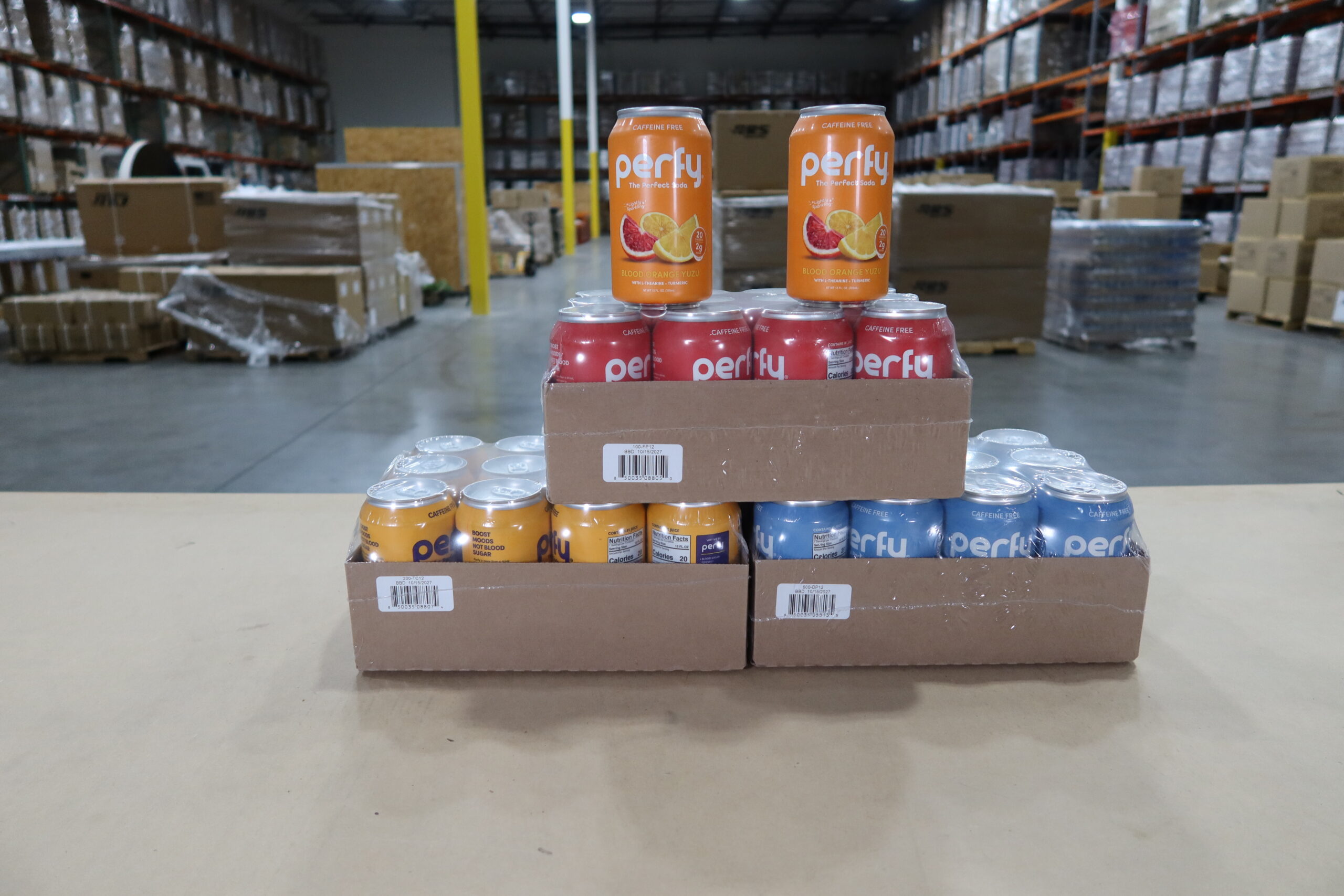
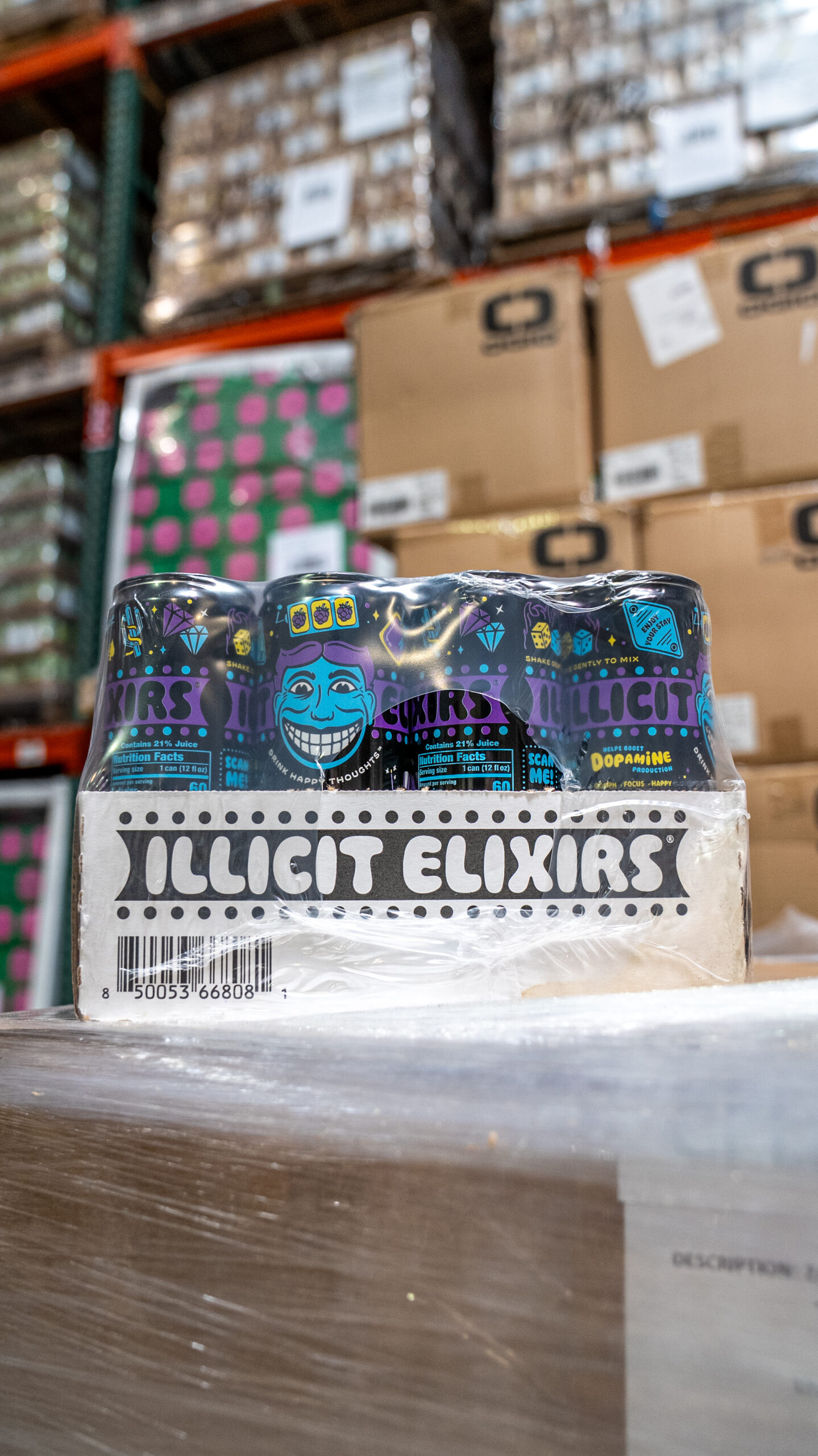
Packaging is one of the most underestimated cost drivers in beverage distribution logistics. While brands invest heavily in formulation, branding, and marketing, many overlook how improper packaging quietly drains revenue through breakage, leakage, chargebacks, and costly reshipments.
For beverage companies shipping glass bottles, aluminum cans, or liquid-based products, packaging is not just about shelf appeal. It is a core component of supply chain optimization and fulfillment performance. A damaged shipment does more than inconvenience a customer. It triggers replacement costs, additional freight charges, customer service labor, inventory loss, and potential reputational harm.
As order volume increases across ecommerce, retail, and wholesale channels, even a small damage rate can translate into tens of thousands of dollars in preventable losses annually. This is why more beverage brands are re-evaluating their third-party logistics (3PL) partnerships and seeking providers with specialized beverage distribution expertise.
Proper packaging is not an added expense. It is a margin protection strategy.
Why Beverage Packaging Failures Are So Costly
What happens when beverage shipments are damaged?
When packaging fails in transit, the financial impact compounds quickly:
- Replacement product cost
- Additional shipping fees
- Labor for reships and returns
- Customer refunds or credits
- Retail compliance penalties and chargebacks
- Negative reviews and lost repeat business
In ecommerce beverage fulfillment, parcel carriers handle packages through multiple touchpoints. Products are sorted, stacked, transported, and delivered under varying conditions. Glass bottles are susceptible to impact damage. Cans can dent under compression. Liquid products may leak if not stabilized properly.
According to industry shipping data, parcel carriers may handle a single package 15–20 times before final delivery. Without packaging engineered for transit durability, the likelihood of damage increases significantly.
Even a 2–3 percent damage rate can severely erode profit margins at scale.
Retail Packaging vs. Ecommerce Packaging: A Critical Difference
One of the most common mistakes beverage brands make is designing packaging for retail presentation rather than shipping durability.
Retail shelf packaging focuses on:
- Visual appeal
- Branding
- Lightweight design
- Easy merchandising
Ecommerce and wholesale distribution packaging must focus on:
- Impact resistance
- Compression strength
- Movement stabilization
- Leakage prevention
- Compliance with carrier and retailer standards
As brands expand into direct-to-consumer beverage fulfillment, packaging that once performed well in-store may begin to fail in transit.
A scalable 3PL partner with beverage logistics expertise can help brands evaluate whether their packaging is optimized for:
- Parcel shipping
- LTL freight
- Palletized retail shipments
- Subscription box fulfillment
- Multi-pack configurations
Small adjustments in box configuration, cushioning materials, dividers, and sealing techniques can significantly reduce breakage rates.
How Proper Beverage Packaging Reduces Costs
1. Lower Breakage Rates
Glass bottle beverage shipping requires stabilization that prevents impact and vibration damage. Protective inserts, corrugate strength selection, and void fill configuration all play critical roles.
When packaging is tested and standardized for transit conditions, breakage rates decrease. Fewer damaged units mean fewer reshipments and lower freight spend.
2. Reduced Leakage and Product Loss
Liquid beverage logistics require secure closures and secondary containment strategies. A single leaking unit can damage surrounding items and render an entire shipment unsellable.
Proper cushioning and containment materials prevent movement and absorb shock during carrier handling.
3. Fewer Retail Chargebacks
Retailers enforce strict compliance standards. Damaged cases, crushed cartons, or leaking pallets can lead to:
- Chargebacks
- Refused deliveries
- Penalty fees
- Lost vendor trust
Proper palletization, stretch wrapping, and load stabilization reduce the risk of rejected shipments.
4. Lower Return and Refund Rates
Customer satisfaction is directly linked to product condition upon arrival. Damaged shipments result in refunds, replacements, and negative brand perception.
Protective ecommerce packaging improves delivery success rates and protects long-term customer value.
The Role of a Beverage-Focused 3PL in Packaging Optimization
Many beverage brands ask:
- Why are we seeing recurring breakage in transit?
- Is our packaging designed for parcel or retail only?
- Can a 3PL reduce damage rates?
- How do we scale packaging without increasing per-order costs?
The answer often lies in operational alignment.
A beverage-specialized third-party logistics provider evaluates packaging performance within the full fulfillment workflow, including:
- Inbound receiving procedures
- Inventory storage methods
- Pick and pack processes
- Quality control checkpoints
- Carrier selection
- Multi-location distribution strategy
Without standardized packing protocols, damage can occur before shipments even leave the warehouse.
Strategic Warehouse Placement Reduces Handling Risk
Distribution geography plays a critical role in damage prevention.
TCB Global operates warehouse facilities in:
- Orlando, Florida (serving the Southeast and East Coast)
- Las Vegas, Nevada (supporting West Coast and central U.S. distribution)
Strategic inventory placement reduces shipping distances and minimizes handling touchpoints. Fewer transit miles often mean fewer opportunities for damage.
By positioning inventory closer to end customers, beverage brands benefit from:
- Reduced parcel zones
- Faster delivery times
- Lower freight costs
- Decreased transit-related damage risk
This geographic advantage supports national beverage distribution while maintaining packaging consistency.
Multi-Channel Beverage Fulfillment Requires Packaging Precision
Packaging requirements vary by channel:
Direct-to-Consumer (DTC)
- Must withstand parcel carrier sorting systems
- Requires impact protection and internal stabilization
- Often includes mixed-SKU shipments
Retail Distribution
- Requires pallet compliance
- Must meet retailer packaging guidelines
- Needs crush resistance and structural strength
Wholesale Orders
- Larger case quantities
- Freight handling considerations
- Load stability across long-haul routes
A scalable beverage 3PL must maintain channel-specific packaging workflows without introducing inconsistency.
TCB Global supports multi-channel beverage fulfillment by aligning packaging protocols with each distribution method while maintaining quality control standards across facilities.
The Hidden Financial Impact of Packaging Inefficiency
Packaging failures rarely appear as a single large loss. Instead, they accumulate gradually:
- 10 damaged shipments per week
- 40 per month
- 500+ per year
When factoring product cost, freight, labor, and refunds, annual losses can escalate rapidly.
Investing in structured packaging processes and experienced beverage distribution logistics support can deliver measurable savings that far exceed the cost of improved materials or workflow adjustments.
In many cases, reducing damage rates by just 1–2 percent significantly improves overall margin performance.
Choosing the Right 3PL for Beverage Distribution Logistics
When evaluating a third-party logistics provider for beverage fulfillment, brands should assess:
- Experience handling fragile and liquid products
- Defined packaging protocols
- Quality control processes
- Multi-location distribution capabilities
- Transparency in fulfillment performance metrics
- Ability to scale without increasing damage rates
Brands searching for the best 3PL in Orlando or the best 3PL in Las Vegas are often preparing for national growth. Selecting a partner built specifically for beverage distribution logistics ensures expansion does not introduce unnecessary risk.
Protect Your Product. Protect Your Margins.
Packaging is not a secondary consideration in beverage logistics. It is a primary driver of profitability, customer satisfaction, and retail compliance.
Breakage, leakage, and reships are preventable when fulfillment infrastructure is aligned with product requirements.
TCB Global provides scalable beverage distribution logistics solutions designed to:
- Reduce shipping damage
- Optimize packaging workflows
- Support multi-channel fulfillment
- Position inventory strategically across the U.S.
- Protect brand reputation and margins
If your beverage brand is experiencing recurring damage, rising reship costs, or packaging inefficiencies, it may be time to evaluate your fulfillment strategy.
Learn how a beverage-focused 3PL partner can help you reduce losses and scale confidently.
Visit TCB Global’s Beverage Distribution Logistics Services page to explore how structured packaging protocols and national fulfillment infrastructure can protect your product and your bottom line:
Reducing damage by even a small percentage can save thousands annually. The right packaging strategy, supported by the right logistics partner, makes the difference.