Why Beverage Fulfillment Issues Start Before Brands Realize It
Most beverage brands do not suddenly decide to replace their fulfillment partner. The signs usually appear gradually. Orders begin shipping late. Inventory counts stop lining up. Breakage rates increase. Customer complaints rise. Internal teams spend more time troubleshooting fulfillment issues than focusing on sales, product development, or expansion.
By the time leadership starts searching for a new Beverage 3PL, the brand is often already operating reactively. Fulfillment challenges are affecting customer experience, retailer confidence, and margins.
Beverage logistics is uniquely demanding. Liquid products, fragile packaging, compliance requirements, and SKU-heavy assortments create complexity that many general warehouses are not designed to handle. A fulfillment setup that worked at a few hundred monthly orders can quickly fail once volume increases, retail distribution expands, or subscriptions are introduced.
That is why knowing when to switch 3PLs — and how to do it without disrupting customers — is one of the most critical decisions a beverage brand can make. A misaligned Beverage 3PL does not just slow operations. It limits scalability, increases costs, and introduces risk across every channel.
What to Look for in a Beverage 3PL Built for Scale
TCB Global operates as a national Beverage 3PL with warehouse locations in Orlando, Florida and Las Vegas, Nevada. This infrastructure allows beverage brands to support national fulfillment while maintaining operational consistency and control.
Orlando serves as a strategic logistics hub for the Southeast, offering access to ports, major transportation corridors, and a fast-growing consumer base. Las Vegas provides reach across the West Coast and central U.S., enabling brands to reduce shipping zones, improve delivery timelines, and manage transportation costs more effectively.
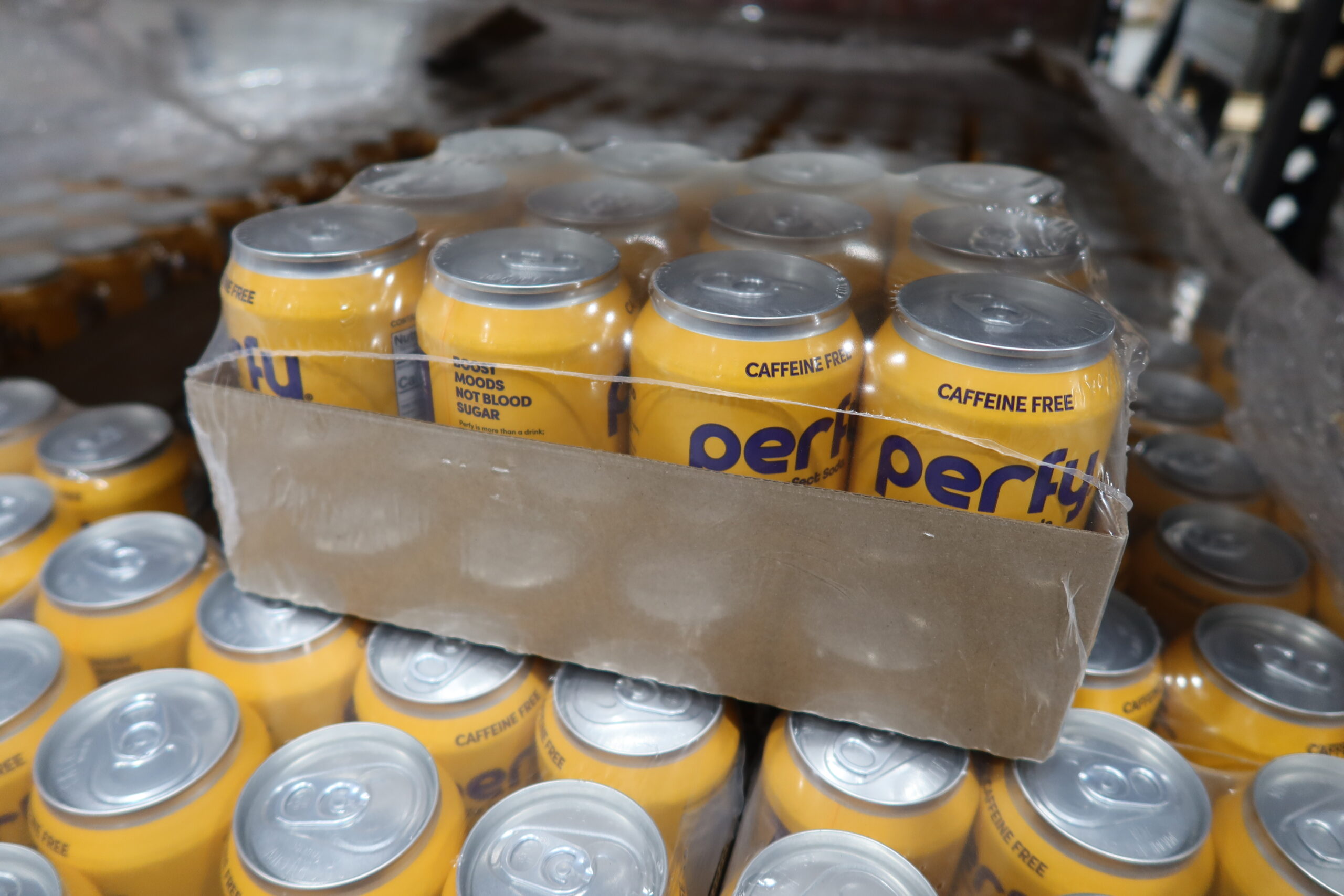
For beverage fulfillment, geography directly impacts product integrity. Shorter transit distances mean fewer touchpoints, less handling, and reduced risk of breakage or leakage. Strategic inventory placement across multiple facilities also allows brands to scale without overwhelming a single warehouse operation.
Beyond location, an effective Beverage 3PL must be built for operational alignment. From inbound receiving and storage to multi-channel order fulfillment and retailer compliance, systems must support growth, SKU expansion, and increasing order velocity.
Common Questions Beverage Brands Ask When Considering a New 3PL
When beverage companies start evaluating a fulfillment transition, their concerns are rarely about pricing alone. They focus on continuity, risk, and execution.
Common questions include:
- How do we know it’s time to switch Beverage 3PLs?
- Will changing fulfillment partners disrupt customers or retail partners?
- Can a new 3PL handle fragile and liquid products more effectively?
- How long does a fulfillment transition typically take?
- Can we scale without slowing growth?
- What happens to existing inventory during the move?
These questions reflect a real concern: a poorly managed transition can create operational chaos. A well-structured transition, however, becomes an opportunity to upgrade systems, improve accuracy, and unlock growth.
Brands searching for a Beverage 3PL are often looking for stability, visibility, and a fulfillment partner capable of supporting direct-to-consumer, wholesale, retail, and subscription channels simultaneously.
Why Beverage Brands Choose TCB Global as Their 3PL
TCB Global is often engaged at a pivotal moment in a beverage brand’s growth. The brand may be entering retail, increasing DTC volume, launching subscriptions, or expanding its product lineup. Each milestone increases fulfillment complexity.
Brands choose TCB Global because the infrastructure is already designed for beverage fulfillment. Fragile and liquid products are handled using proven storage and packing methods that reduce breakage and leakage. SKU-heavy inventories are managed through structured tracking systems and organized warehouse layouts. Multi-channel orders are processed through integrated platforms that maintain accuracy across sales channels.
Equally important is visibility. Real-time inventory tracking and order reporting give leadership teams clarity into performance, stock levels, and fulfillment health. This transparency is critical when transitioning from a smaller or less sophisticated fulfillment environment.
For many beverage brands, switching to a specialized Beverage 3PL is about regaining control and preparing for sustainable growth.
Supporting Multi-Channel Beverage Fulfillment at Scale
Today’s beverage brands rarely operate in a single channel. Most manage a mix of direct-to-consumer shipments, retail distribution, wholesale orders, and subscription programs.
Each channel has distinct requirements. DTC orders require careful packing and fast delivery. Retail and wholesale shipments must meet strict compliance standards for labeling, palletization, and routing. Subscription programs demand consistent kitting and repeatable accuracy.
A scalable Beverage 3PL must support all of these channels without sacrificing speed or accuracy. TCB Global structures operations around this reality by centralizing fulfillment through strategically located facilities in Orlando and Las Vegas. This unified approach reduces fragmentation, improves consistency, and allows brands to scale efficiently as volume grows.
When Is the Right Time to Switch Beverage 3PLs?
Several clear indicators suggest it may be time to evaluate a new fulfillment partner. Rising breakage rates, frequent shipping errors, delayed deliveries, and limited inventory visibility are early warning signs. If internal teams are regularly compensating for fulfillment issues, growth is already being constrained.
Capacity limitations are another trigger. Many beverage brands outgrow their initial 3PL as order volume increases or retail distribution expands. A warehouse that worked at startup scale may not be equipped for national distribution, compliance requirements, or SKU complexity.
Technology gaps can also signal the need for change. Without real-time inventory visibility, integrated order management, and reliable reporting, forecasting and planning become difficult.
Switching Beverage 3PLs does not have to disrupt operations. A structured onboarding process that includes inventory mapping, SKU verification, systems integration, and phased inventory transfers helps maintain order continuity. Clear communication and defined timelines ensure fulfillment continues without interruption.
When executed correctly, the transition becomes an operational upgrade rather than a setback.
Choosing a Beverage 3PL That Supports Long-Term Growth
The right Beverage 3PL should support current needs while preparing your brand for future expansion. That means experience with liquid and fragile products, multi-channel fulfillment, and scalable infrastructure.
TCB Global’s Orlando and Las Vegas facilities provide geographic flexibility for national distribution, while its fulfillment systems are designed to grow alongside beverage brands. For companies preparing for expansion, aligning with a Beverage 3PL built for scale ensures fulfillment becomes a competitive advantage rather than a limitation.
Ready to Upgrade Your Beverage Fulfillment Strategy?
If your beverage brand is facing fulfillment bottlenecks, rising complexity, or preparing for national distribution, it may be time to evaluate whether your current 3PL can support your next stage of growth.
TCB Global provides beverage brands with a specialized Beverage 3PL solution designed for liquid handling, fragile packaging, multi-channel fulfillment, and national distribution. With structured onboarding and scalable infrastructure, transitions can be executed smoothly without disrupting customers or retail partners.
A strong beverage fulfillment strategy does more than move product. It protects your brand, improves operational clarity, and creates a foundation for sustainable growth.
Connect with TCB Global to build a beverage fulfillment operation designed to scale.