Startup Fulfillment Services: How TCB Global Helped Salt Trail Brands Build a Controlled Launch System
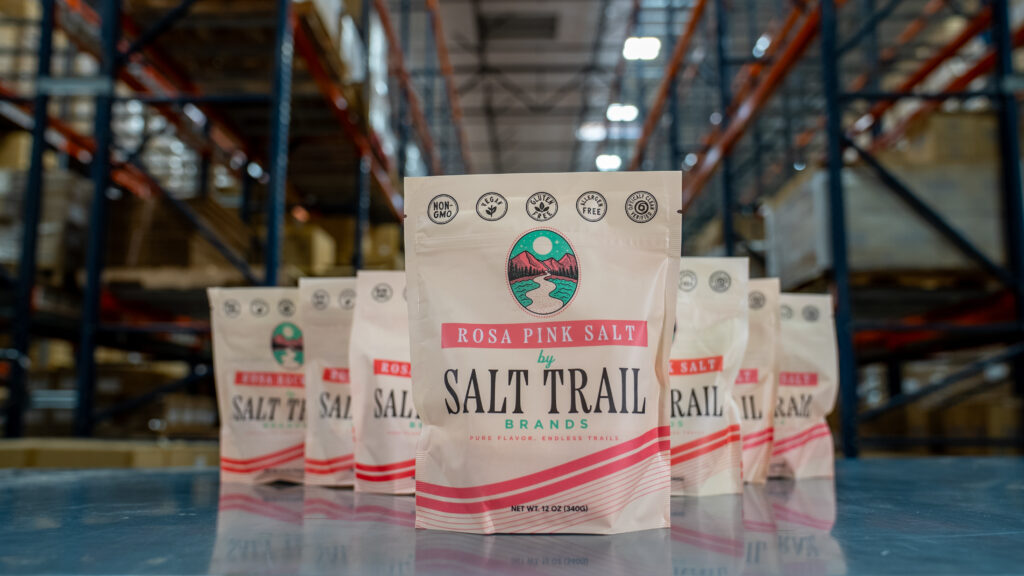
For a new consumer brand, one of the highest-risk moments is not rapid growth. It is the first time finished product moves from production into the hands of paying customers. Salt Trail Brands reached that point quickly. After moving from concept to creation in less than six months, the company had completed its first production run and was preparing to launch its direct-to-consumer operation. The product was ready. The storefront was taking shape. But there was still a critical question to answer: How could Salt Trail Brands make sure every unit reaching a customer met the standards the company had built into its products and brand? That challenge led Salt Trail Brands to TCB Global for startup fulfillment services designed around quality control, inventory visibility, Shopify integration, and consistent order fulfillment. Rather than waiting for fulfillment problems to appear after launch, Salt Trail Brands and TCB Global established a controlled logistics system before customer orders began moving at scale. The Challenge: Managing Fulfillment Risk During a First Product Launch Salt Trail Brands operates in the consumer packaged goods space, with salt-based formulations developed around hydration, nutrition, and performance. Its positioning emphasizes clean ingredient sourcing, non-GMO and allergen-free formulations, and health-conscious consumers. Those product standards made fulfillment more than a matter of putting inventory on a shelf and shipping orders. Products needed to be labeled correctly, packaged consistently, checked for quality, accurately inventoried, and shipped in a way that supported the customer experience. At the time Salt Trail Brands engaged TCB Global, the company was simultaneously finalizing its Shopify store, preparing for a direct-to-consumer launch, receiving inventory from manufacturers, and making first-time decisions about warehousing and fulfillment. This is where startup fulfillment services can become especially important. A first production run can introduce variables that are difficult to anticipate. Packaging inconsistencies, labeling problems, transit damage, quantity discrepancies, and differences in product presentation may not become visible until finished inventory reaches the warehouse. Without a structured receiving and quality-control process, those issues can move downstream. Instead of being identified before fulfillment, they may be discovered by the customer. For an early-stage brand, that creates both operational and reputational risk. Why First Production Runs Require Strong Quality Control Salt Trail Brands had not approached TCB Global because an established fulfillment operation was failing. The company was trying to prevent failure before launch. That distinction shaped the entire solution. A new brand does not have years of operational history to reveal where problems normally occur. Its processes are being tested for the first time alongside its products. Salt Trail Brands therefore needed controls around several critical areas: The company’s product positioning made accuracy particularly important. When consumer packaged goods involve ingredient and allergen information, labeling and product handling cannot be treated as secondary details. At the same time, Salt Trail Brands did not yet have an established fulfillment workflow for receiving inventory, organizing SKUs, processing Shopify orders, or selecting shipping methods. The challenge was not fixing one isolated problem. It was creating an operational foundation before launch. Why Salt Trail Brands Chose TCB Global for Startup Fulfillment Services Salt Trail Brands needed more than warehouse space. It needed a control point between manufacturing and the customer. TCB Global’s role was to create that layer of operational control so inventory could be received, checked, organized, connected to the brand’s ecommerce operation, and fulfilled through a repeatable process. The objective was straightforward: nothing should move downstream without the appropriate operational checks. That meant establishing control over four areas: Instead of building fulfillment reactively after orders started arriving, Salt Trail Brands worked with TCB Global to put the core system in place ahead of launch. Step 1: Receiving and Quality Control at TCB Global’s Orlando Fulfillment Center The first stage was structured inventory intake. Products from Salt Trail Brands’ initial production run were received at TCB Global’s Orlando fulfillment center, where the inventory could be evaluated before becoming available for customer fulfillment. The intake process included inspecting packaging integrity, checking labeling, looking for visible damage or inconsistencies, and confirming received quantities against expected counts. This created an important checkpoint between production and fulfillment. Without that checkpoint, a startup may receive inventory and immediately begin shipping it. If the first production run contains unexpected issues, those problems can reach customers before the brand understands their scope. With a controlled receiving process, inventory can instead be evaluated before entering the active fulfillment workflow. For Salt Trail Brands, this provided greater confidence that the products being prepared for shipment reflected the standards established for the brand. Step 2: Creating an Organized SKU and Inventory System Once inventory had been received and evaluated, TCB Global established the structure required for ongoing inventory management. Products were categorized, assigned the appropriate identifiers, and organized to support efficient picking and packing. This step may appear basic, but it is fundamental to accurate ecommerce fulfillment. A structured SKU system helps a fulfillment operation distinguish products and variants, maintain inventory records, direct warehouse picking, and reduce ambiguity during order processing. It also establishes a foundation for better inventory visibility. Instead of relying on informal counts or disconnected records, Salt Trail Brands could operate with a clearer understanding of what had been received, what inventory was available, and what was positioned to fulfill customer orders. Step 3: Connecting Shopify to the Fulfillment Workflow The next component of TCB Global’s startup fulfillment services was connecting Salt Trail Brands’ Shopify storefront to the fulfillment operation. The integration enabled orders to flow from the ecommerce storefront into the fulfillment system. This supported: For a startup, reducing manual intervention can be particularly valuable. Early teams are often managing marketing, product development, customer service, vendor relationships, and financial decisions at the same time. Manually transferring ecommerce orders into a warehouse process adds another task while introducing opportunities for error. By establishing the integration before the brand grew, Salt Trail Brands created a fulfillment foundation designed to support increasing order activity without requiring the entire process to be rebuilt. Step 4: Establishing