Apparel Fulfillment Services Case Study: How American Socks Scaled Without Losing Brand Control
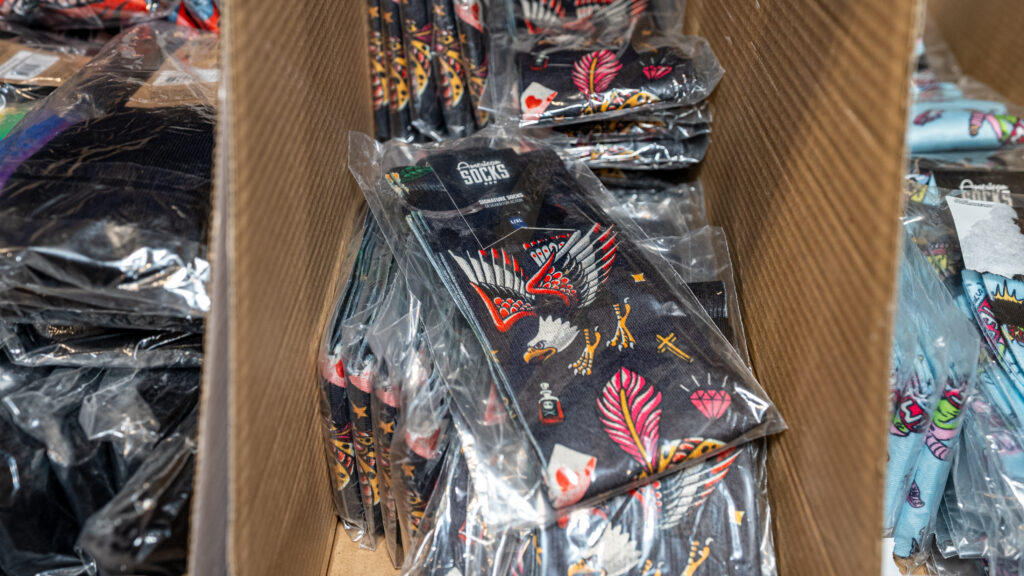
Apparel Fulfillment Services Case Study: How American Socks Scaled Without Losing Brand Control As apparel brands grow, fulfillment becomes more than a backend logistics function. It becomes part of the customer experience. For brands built on identity, culture, and community, even small fulfillment issues can quickly impact customer perception, repeat purchases, and long-term brand loyalty. That was the challenge facing American Socks. As the lifestyle apparel brand gained traction and expanded its customer base, operational complexity increased alongside demand. What initially appeared manageable from a fulfillment perspective became significantly more difficult as SKU counts, order volume, and customer expectations grew. American Socks needed more than warehouse space. They needed scalable apparel fulfillment services capable of supporting rapid eCommerce growth without compromising the consistency and quality their customers expected. That’s where TCB Global stepped in. With fulfillment operations strategically positioned in Orlando and Las Vegas, TCB Global helped American Socks implement structured inventory management, high-SKU fulfillment workflows, and scalable logistics systems designed specifically for apparel brands navigating growth. The Real Challenge Behind Apparel Fulfillment Services Apparel fulfillment often looks simple from the outside. Products are lightweight. Storage requirements appear straightforward. Shipping costs are relatively manageable compared to oversized goods. But once an apparel company begins scaling, fulfillment complexity increases rapidly. For American Socks, growth introduced several operational challenges common within high-SKU apparel environments: At this stage, fulfillment is no longer only about shipping products. It becomes a direct extension of the brand itself. Customers purchasing from lifestyle apparel brands expect: Any breakdown in fulfillment can directly impact customer trust. American Socks recognized this early and sought a fulfillment partner capable of scaling operations before inconsistencies began affecting the customer experience. About American Socks American Socks is a lifestyle apparel brand known for products tied closely to creativity, identity, and cultural relevance. Their business model includes: Their inventory included: This type of operational structure creates fulfillment challenges that require precision at every level. Without scalable apparel fulfillment services, even minor operational inefficiencies can create significant issues as order volume increases. What Was Going Wrong At the time of engagement, fulfillment operations had not completely failed. However, the warning signs were already appearing. Inventory Visibility Was Becoming Inconsistent As SKU counts expanded, tracking inventory accurately across multiple styles and size variations became increasingly difficult. Without structured inventory control systems, apparel brands commonly experience: American Socks needed real-time inventory accuracy to maintain operational control. SKU Complexity Increased Fulfillment Risk High-SKU apparel fulfillment environments create unique operational pressure. Fulfilling apparel orders is not simply about locating a product. Teams must consistently pick: As order volume grows, even small picking inefficiencies can significantly increase return rates and customer dissatisfaction. Without structured workflows, fulfillment variability becomes difficult to manage. Packaging and Fulfillment Consistency Affected Brand Experience For lifestyle apparel brands, packaging is part of the customer experience. Customers associate fulfillment quality with overall brand quality. Late shipments, inconsistent packaging, or incorrect orders can negatively impact how consumers perceive the brand itself. American Socks understood that maintaining consistency was essential to preserving customer trust during growth. Why American Socks Chose TCB Global American Socks did not wait for operational breakdowns to escalate. Instead, they proactively partnered with TCB Global to build scalable fulfillment infrastructure capable of supporting long-term growth. TCB Global approached the project with a focus on operational control and scalability. The objective was to create systems capable of: Rather than implementing temporary fixes, TCB Global built structured apparel fulfillment systems designed for scalability. How TCB Global Improved Apparel Fulfillment Operations Centralized Inventory Management The first step involved creating a centralized inventory control system. All inventory was organized within structured workflows that improved: This reduced operational uncertainty and improved warehouse efficiency. Real-time inventory visibility also allowed American Socks to make faster operational decisions while minimizing fulfillment disruptions. Structured High-SKU Fulfillment Workflows TCB Global implemented fulfillment workflows specifically designed for apparel brands operating in high-SKU environments. These workflows included: By reducing variability, TCB Global improved both operational efficiency and customer consistency. Every order followed a repeatable process designed to maintain quality at scale. Faster and More Accurate Order Fulfillment As fulfillment systems became more structured, processing efficiency improved. Orders moved through the warehouse with greater speed while maintaining accuracy standards critical for apparel brands. This allowed American Socks to: Scalable fulfillment operations became a growth enabler rather than an operational limitation. Packaging Consistency Protected Brand Perception TCB Global also focused on packaging consistency. Every shipment was treated as a brand touchpoint rather than a transactional shipment. This included: For lifestyle apparel brands, fulfillment presentation directly impacts customer retention and repeat purchases. Maintaining consistency helped American Socks preserve the integrity of their brand while scaling operations. The Results The operational improvements delivered measurable business benefits across multiple areas. Improved Inventory Accuracy American Socks gained better visibility into available inventory and SKU locations. This reduced operational confusion and improved fulfillment reliability. Increased Order Accuracy Structured workflows reduced fulfillment errors and improved customer satisfaction. Customers consistently received the correct products, sizes, and variants. Faster Fulfillment Operations Orders were processed and shipped more efficiently, allowing the brand to scale without sacrificing service quality. Stronger Customer Experience Despite increasing order volume, the customer experience remained consistent. Fulfillment became an extension of the brand rather than a source of operational friction. Scalable Operational Infrastructure Instead of reacting to problems, American Socks gained a fulfillment system designed to support future growth. Why Apparel Fulfillment Services Matter for Growing Brands Many apparel companies underestimate the complexity of scaling fulfillment operations. However, growth introduces operational challenges that can quickly affect customer experience and profitability. What makes apparel fulfillment more difficult? High SKU variability, seasonal inventory fluctuations, and direct-to-consumer shipping requirements create complexity that increases rapidly with scale. When should a brand upgrade fulfillment systems? Brands should improve fulfillment operations before customer-facing problems emerge. Waiting until errors increase often creates more expensive operational recovery challenges. How do fulfillment services impact customer retention? Fast shipping, accurate orders, and consistent presentation all influence customer trust and long-term loyalty. For